Solar Array
Sized for winter performance and daily energy demand
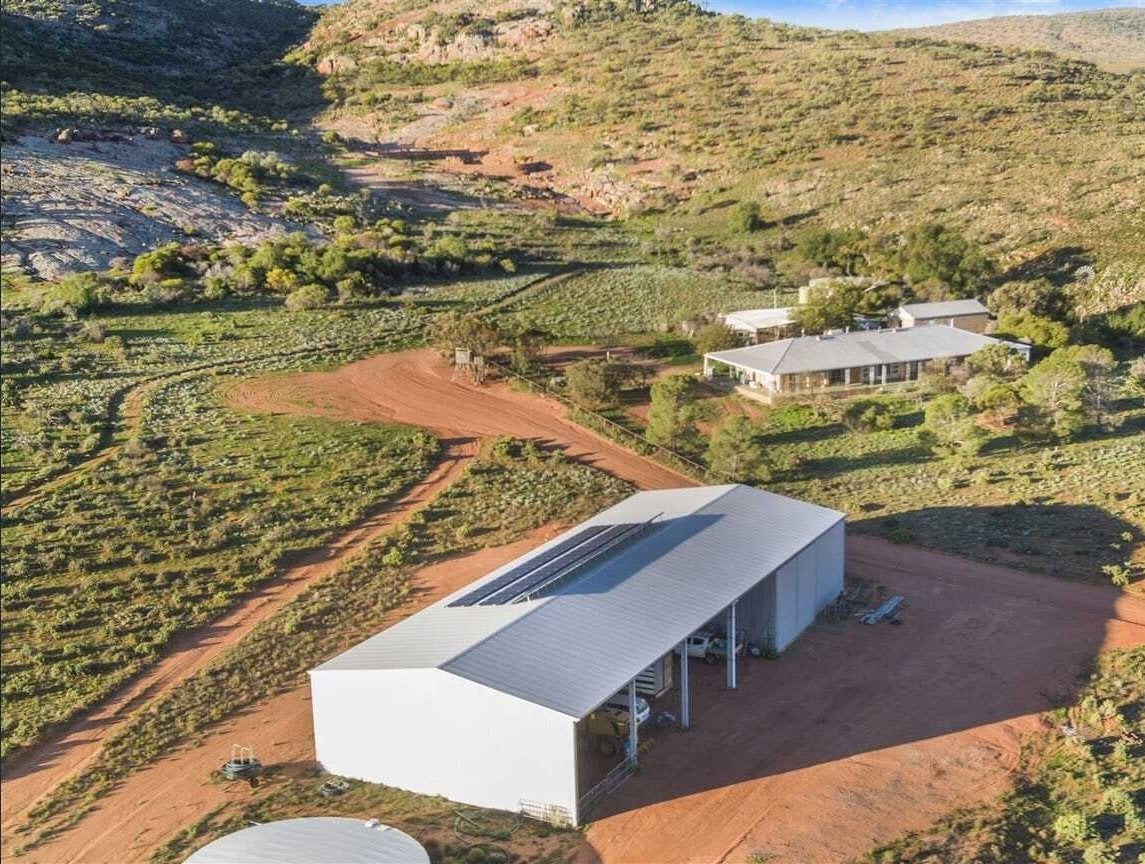
Complete solar, battery and generator systems for homes beyond the grid.
From rural family homes to remote properties and high-end builds, every system is designed around the property, the loads and the way you plan to live.
Off-grid power designed and installed by MyEnergy since 2010.
Off-grid solar, batteries and generator backup designed around your tiny home, your location and the things you need to run.
Explore this service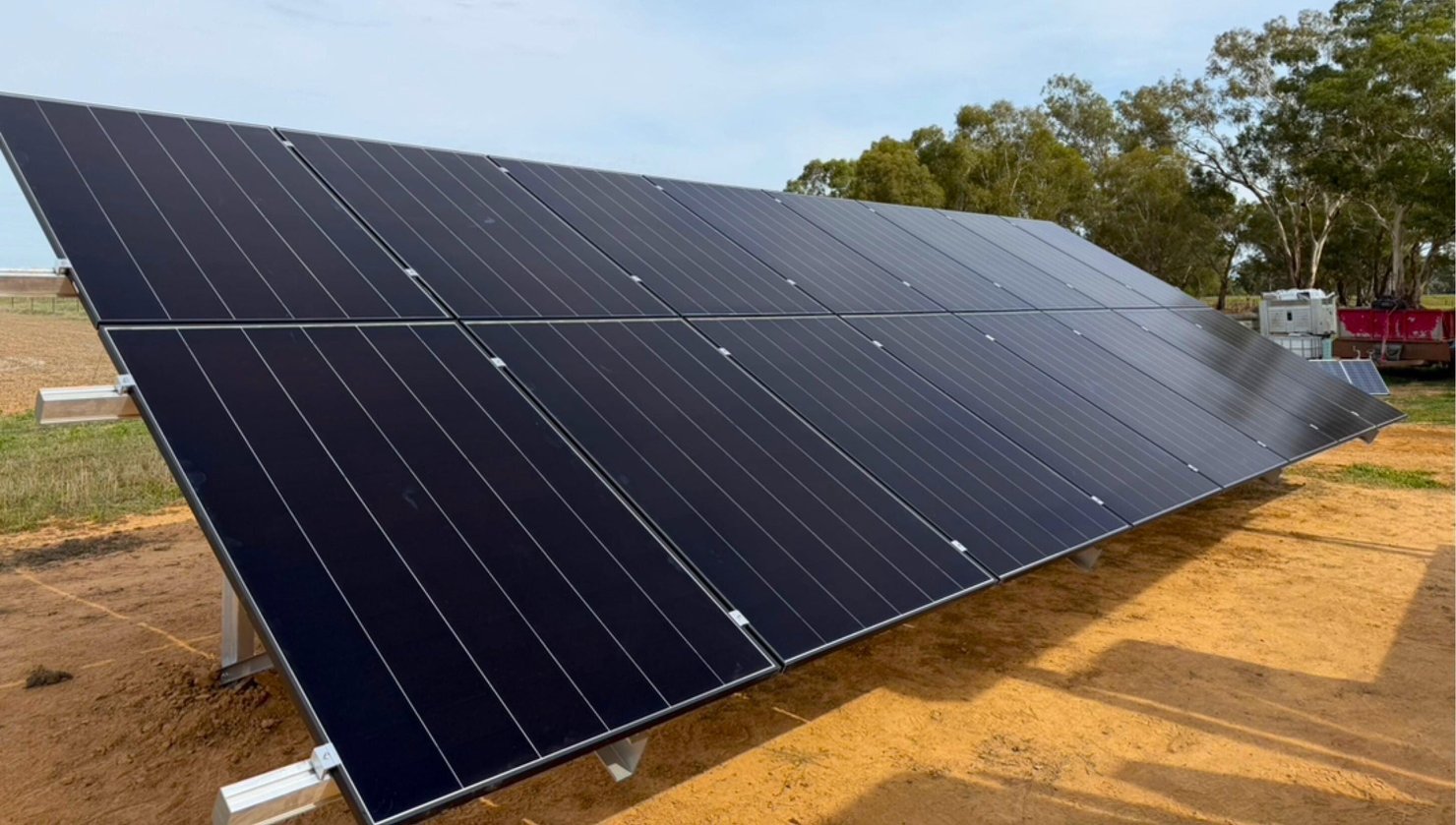
A tiny home can still have a fridge, air conditioning, electric cooking and a water pump. The floor plan alone does not tell us how much power you need.
We start with your appliances, when you use them and whether you will live there full-time or visit occasionally. From there, we plan the solar generation, battery storage and inverter capacity around everyday use, winter conditions and backup requirements.
Roof-mounted or ground-mounted panels, with the layout assessed against available space, shade and seasonal sunlight.
Battery storage for overnight demand, with an inverter selected for the appliances that run together and equipment starting loads.
Compatible generator support for low-solar periods, plus controls and monitoring suited to your system and site communications.
Your tiny home’s roof may not have the space, orientation or structure for all the panels you need. A nearby ground-mounted array can be an option where the site allows it.
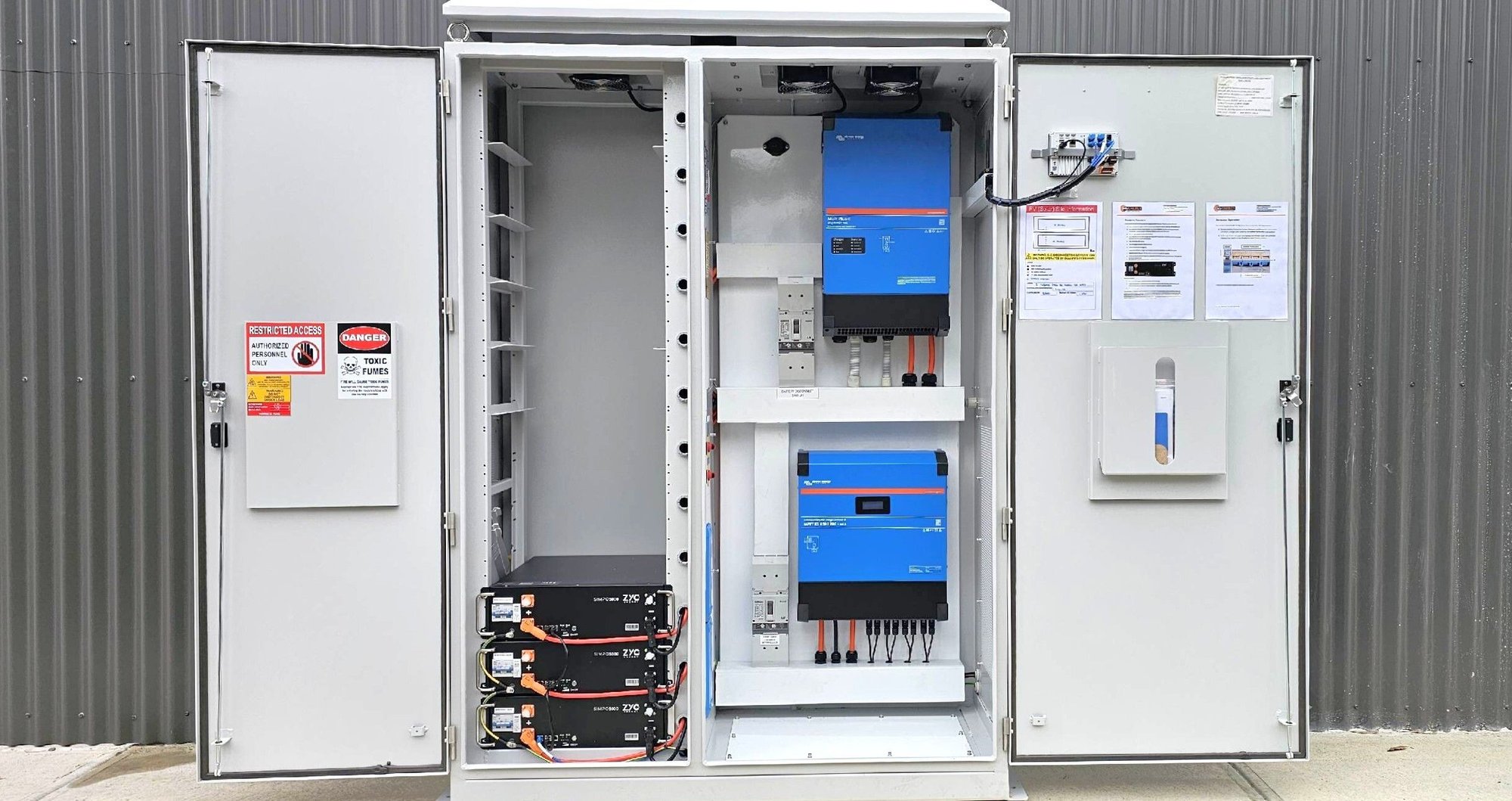
A separate power cabinet can also keep batteries and inverter equipment together outside the living area. We assess equipment placement, cable routes, access and protection as part of the design.
Explore power cabinetsDifferent sites and different ways of living call for different systems. These completed projects show how we put that into practice.
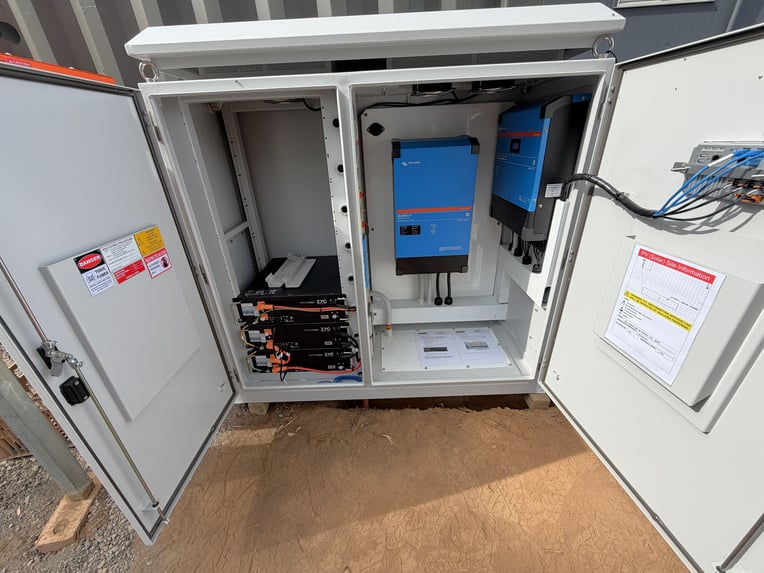
For this tiny home, MyEnergy installed a ground-mounted solar array and a cabinet-built power system, integrating the customer’s existing generator for backup.

A tiny-home build in Saltia needed its own power supply. MyEnergy assembled the cabinet system offsite, then installed it with solar and battery storage matched to the home’s requirements.
These are completed project examples. Your system is designed around your own site and power requirements.
MyEnergy has delivered off-grid systems since 2010. Bringing the power design into your plans early helps make space for the equipment, solar array and connections before the home arrives.
Share the location, building plans, appliance list, occupancy and any equipment you already own.
We assess the loads and site, then explain the system configuration, installation scope and backup options.
Our team completes the agreed installation, checks system operation and explains how to use it, with ongoing service and support available.
There is no single size that suits every tiny home. Daily energy use, overnight demand, appliances running together, location and winter sunlight all matter. Send us your appliance list and plans so we can assess a suitable configuration.
Yes, when the system is designed for those loads. We look at appliance ratings, operating hours and what else runs at the same time. Heating and hot water choices also influence the solar, battery and inverter requirements.
No. A ground-mounted array or a suitable nearby roof may be an option. We assess space, shading, structure and cable routes before recommending an arrangement.
A generator can support the system during prolonged poor weather or unusually high demand. Whether you need one, and how it connects, depends on your location, occupancy and backup requirements. If you already have a generator, we can assess its suitability.
Tell us before the system is designed. The home and its power equipment may have different installation and relocation requirements. We can discuss what would be involved in disconnecting and re-establishing the system at another site.
Expansion may be possible where the equipment, space and electrical design allow it. Share any plans for a shed, extra appliances or longer stays so we can consider them when selecting the initial system.
Tell us where you are building and how you plan to live. We’ll help you work through the power requirements, even if your plans are still taking shape.
Off-grid systems are easy to size when the sun is shining.
The real design work is making sure they continue to perform through winter, poor weather and higher-than-normal power use.
We size around:
Solar production can drop significantly through the colder months, so system sizing needs to reflect the conditions you will actually face year-round.
The battery needs enough stored energy to carry the property overnight and through periods of reduced solar generation.
A home may use relatively little energy over a day but still require substantial power for short periods.
Pumps, compressors, air conditioners and electric cooking all need enough inverter capacity to operate properly.
For most permanently occupied off-grid homes, a generator forms part of the overall system.
It provides backup during prolonged low-solar periods and allows the batteries to be charged when required.
Rather than treating the generator as an afterthought, we design it as part of the complete power system from the start.
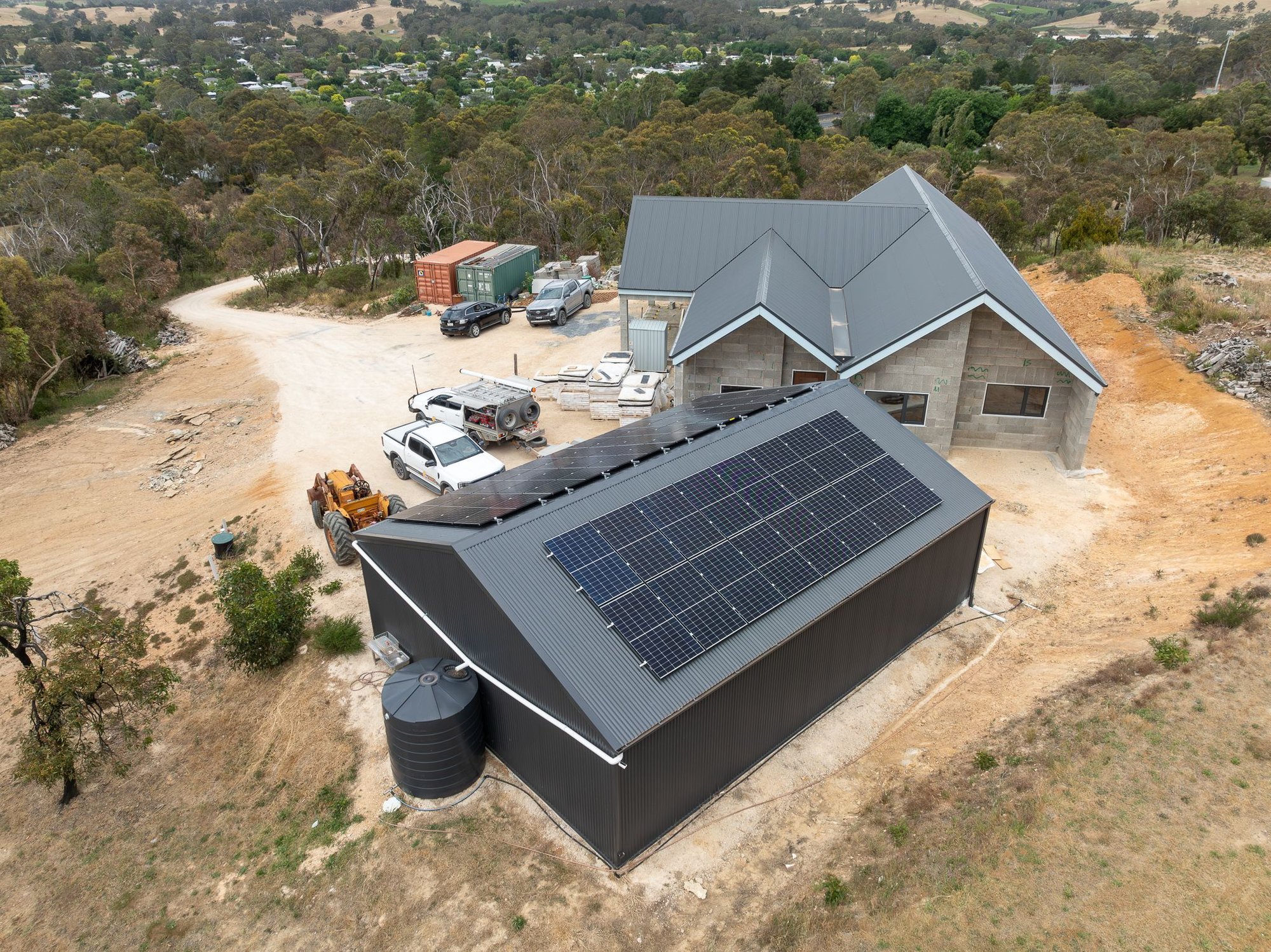
When your home has no grid connection, reliability matters more than chasing the cheapest equipment.
We build residential systems using products we know, support and have used across real off-grid projects.
Our approach includes:
MyEnergy is a long-standing Victron Energy distributor and service agent, and Victron equipment forms the backbone of many of the remote power systems we design.
Your project is also handled by our own team from design through to installation and commissioning.
No handover between one company designing the system and another trying to make it work on site.
Since 2010, MyEnergy has delivered remote power systems for:
Our projects have also been recognised with Clean Energy Project of the Year in 2023, 2024 and 2025, along with Master Electrician of the Year in 2024.