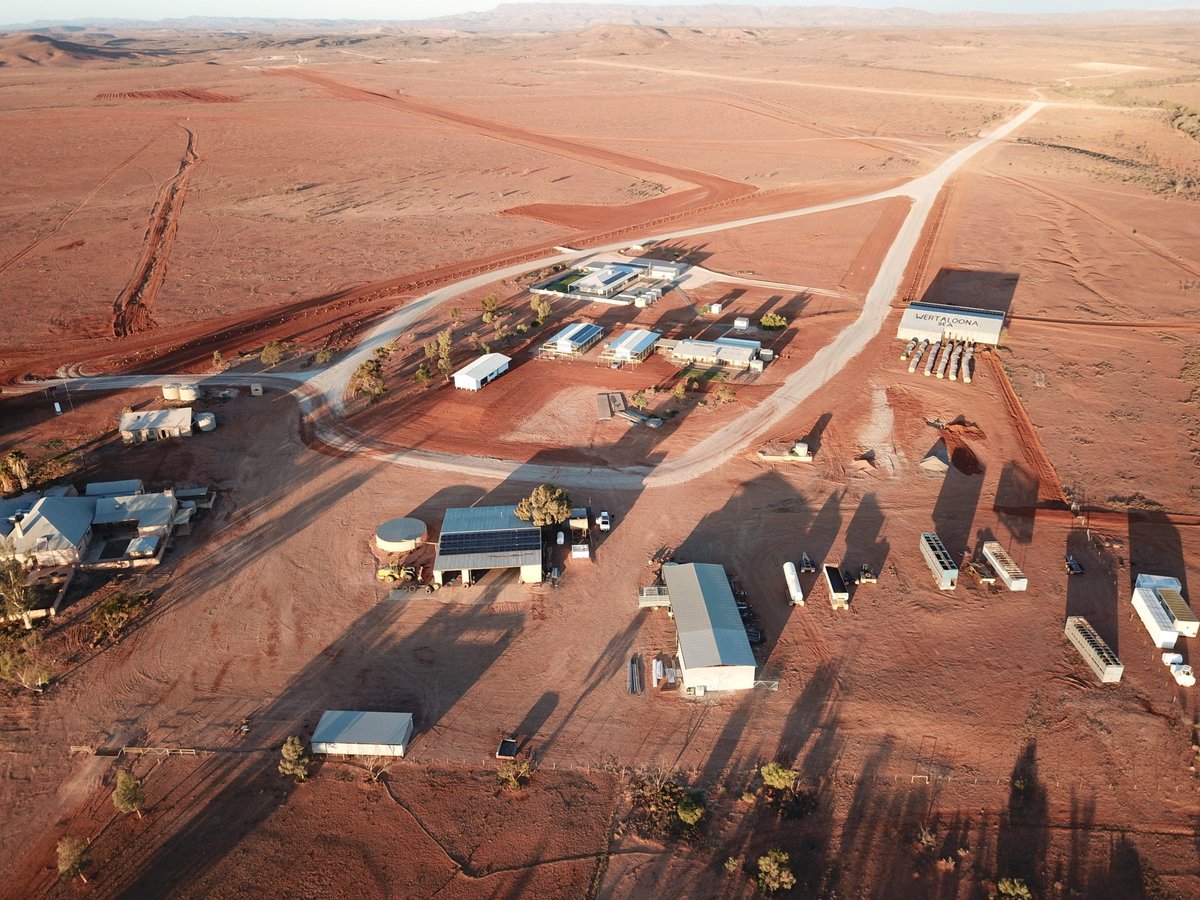
Put solar and storage to work.
Use solar generation and stored energy to take on more of the daily load, with generator backup matched to the property’s needs.
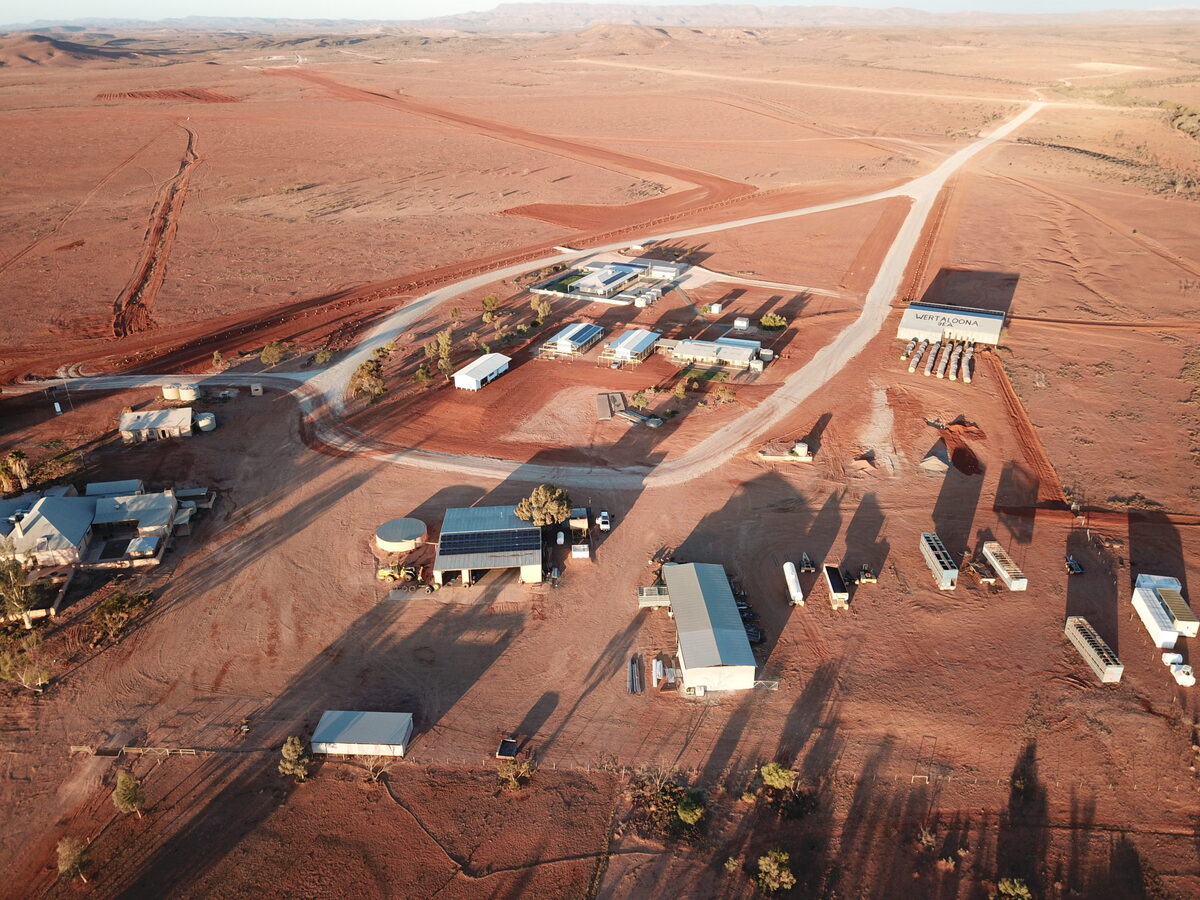
Reliable power systems built for remote Australian properties.
Built for the demands of station life, with reliable power day in, day out.
Keep the homestead, sheds and station operations powered with a system built around life beyond the grid.
Solar, batteries and generator integration. Designed, built, installed and supported by a team working with remote stations since 2010.
See our station projects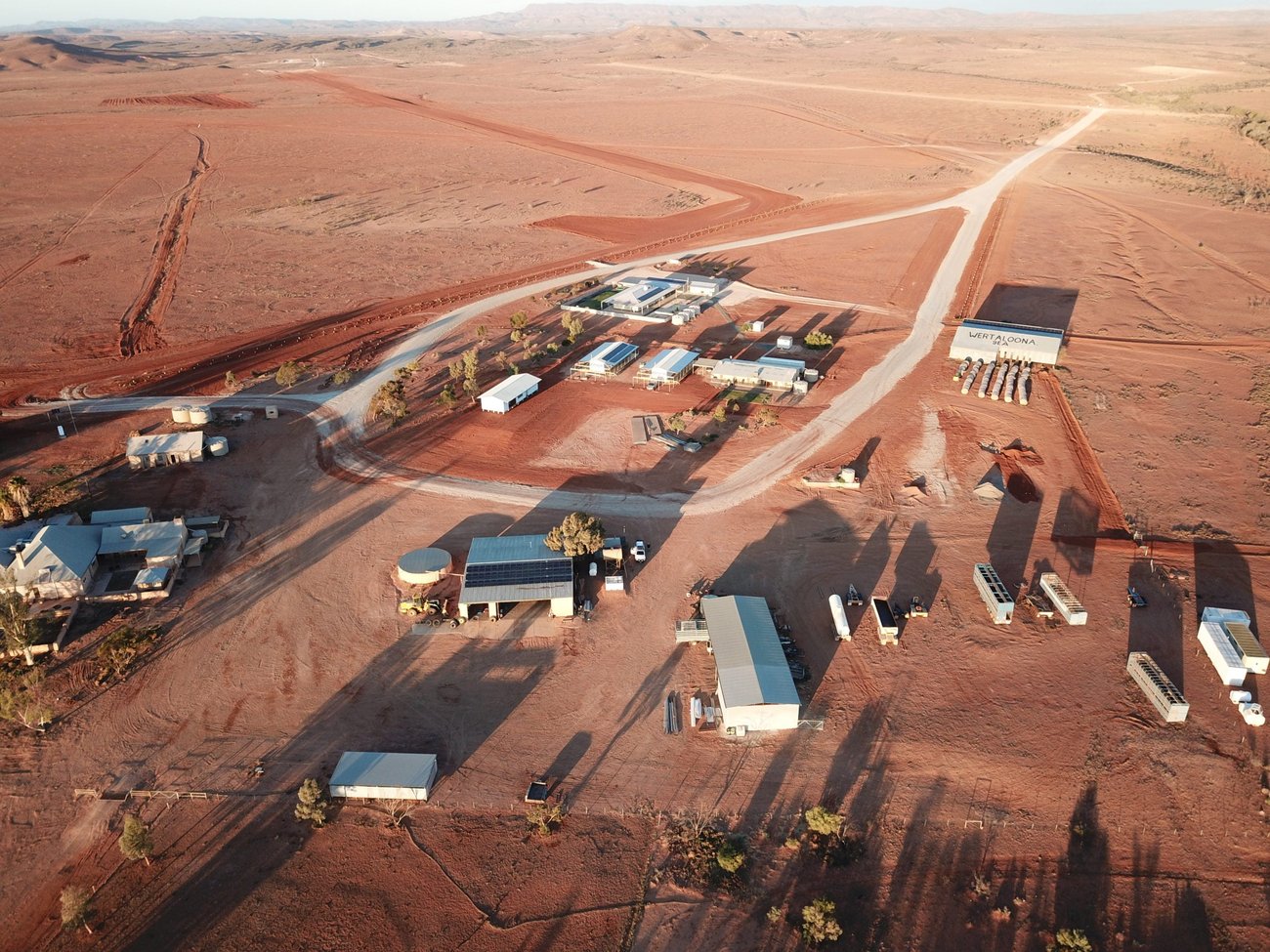
When the nearest support is hours away, the system needs to be planned properly from the start. Heat, dust, heavy loads, seasonal work and transport access all shape the design.
We bring experience from station homesteads, shearing sheds, workshops and larger pastoral operations to every project. That means considering how your property runs today, and what you will need it to do next.
Use solar generation and stored energy to take on more of the daily load, with generator backup matched to the property’s needs.
Account for motor starts, refrigeration, staff accommodation and the changing demands of pumping, shearing and workshop equipment.
Consider new sheds, additional accommodation and future equipment early, so expansion can be part of a planned system.
Explore how we have approached different properties, operating demands and remote conditions.
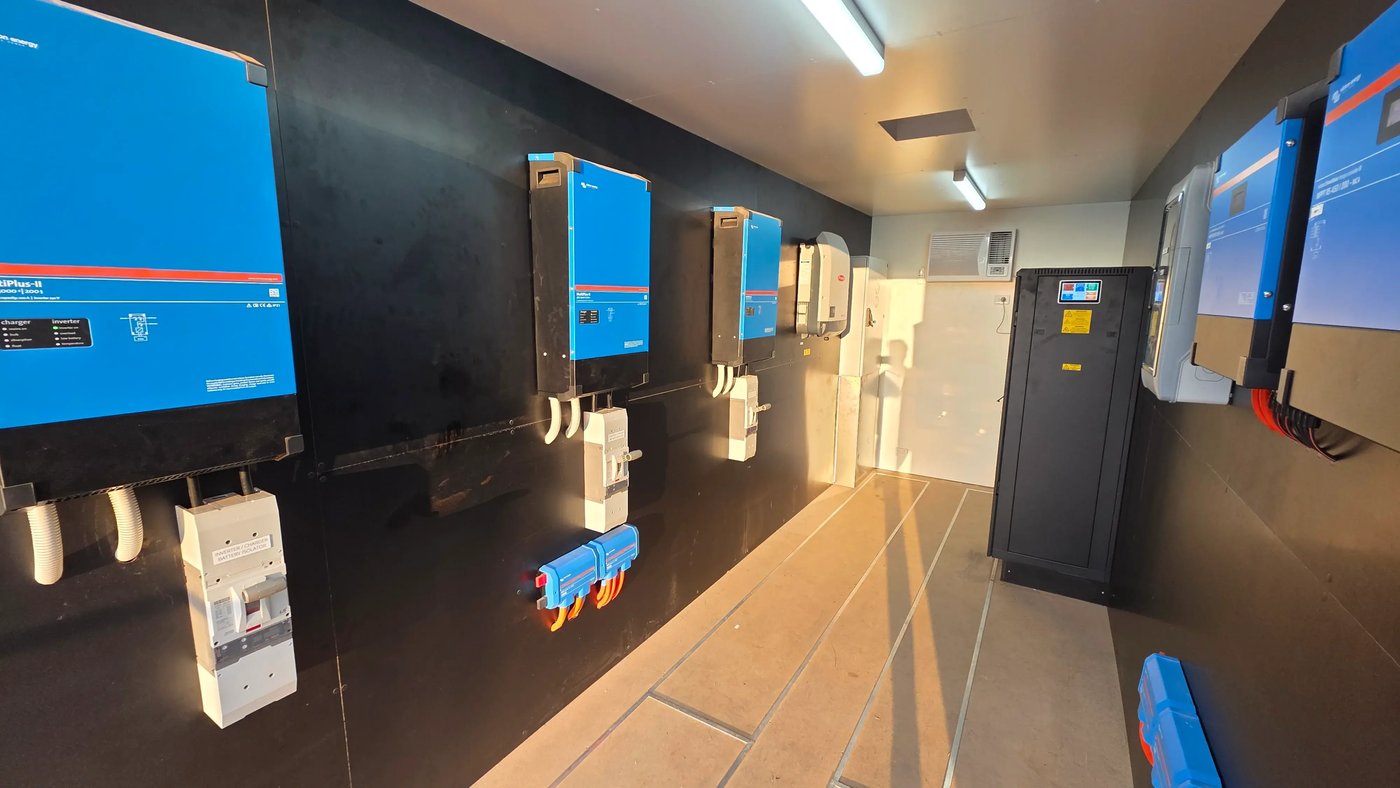
A three-phase power system built and tested in a 20ft insulated container before delivery. Solar and batteries supply station loads, with the existing generators integrated for automatic backup.
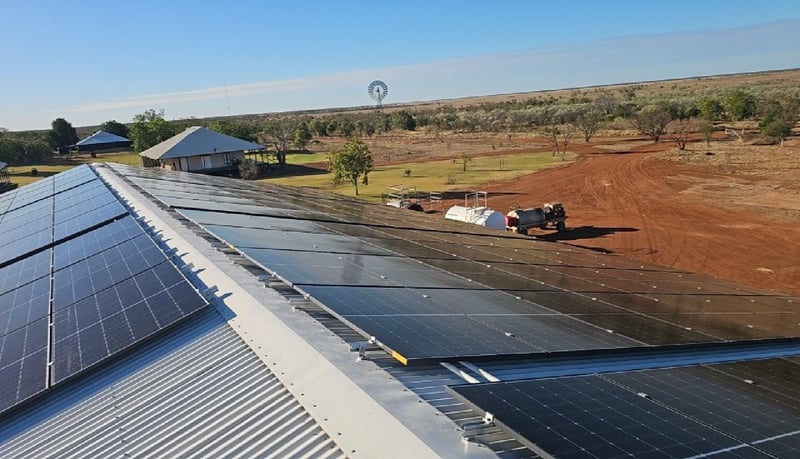
Kimberley, Western Australia
A pre-built, climate-controlled container system combining solar, battery storage and generator integration for a remote cattle operation.
View project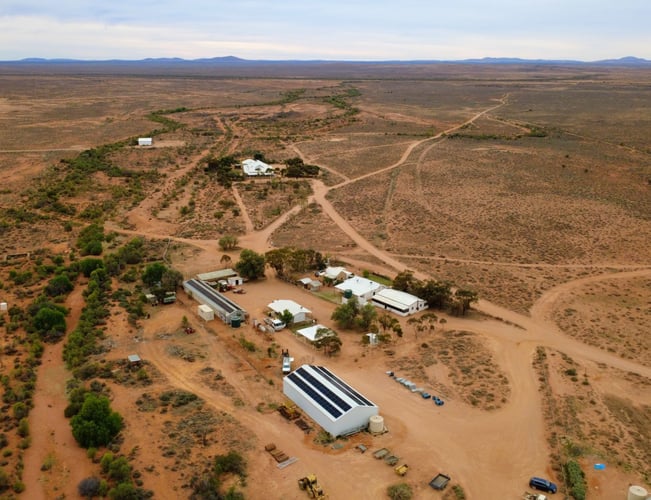
Yunta, South Australia
A containerised system and solar across two existing sheds, designed around a working sheep station and its ageing generator infrastructure.
View project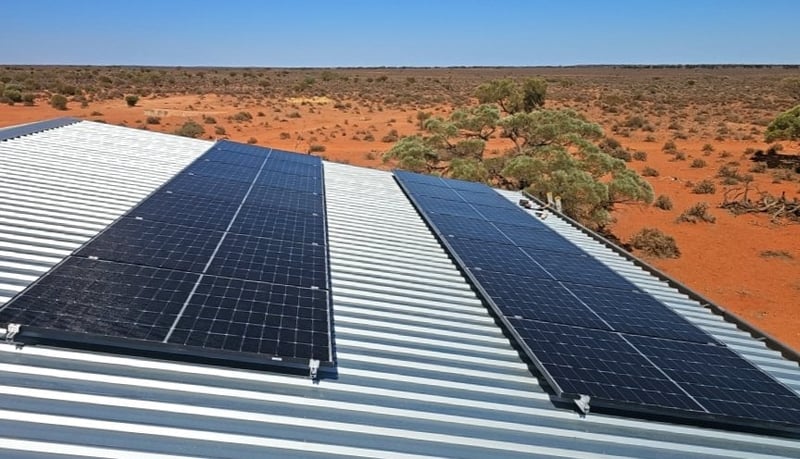
South Australia
A station upgrade followed by a new shearers’ shed, with seasonal loads and the second stage planned into the original system design.
View projectPlanning a new system or replacing ageing equipment?
Talk through your station’s needsOur work includes power systems and upgrades at the stations below. Select a linked name to explore a published project.
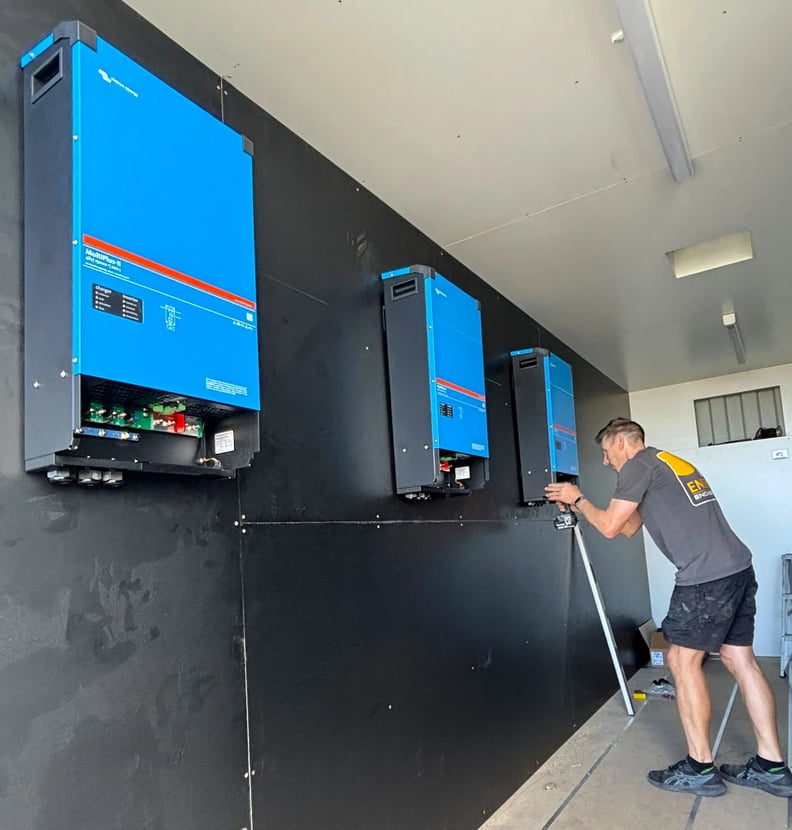
We do as much of the assembly, configuration and testing as practical before travelling to site. It is an approach built around distance, logistics and getting the installation right.
Review energy use, peak loads, existing generators, site access and future plans. Start with the way your station operates.
Match solar, batteries, inverter capacity and generator controls. Choose a cabinet, container or suitable existing building for the equipment.
Our in-house team assembles and tests equipment where practical, then installs and commissions the system on site.
Remote monitoring, fault finding, servicing and planned upgrades help keep the system working as station needs change.
Every property is different. Talk to our team about the equipment, conditions and operating needs at your station.
Call 1300 706 870Yes. We assess the existing solar, batteries, inverters, generators and distribution before recommending what to retain, replace or expand. Projects such as Koonamore, South Gap and Todmorden show how upgrades can work with existing station infrastructure.
Where the generator is suitable, we can integrate it with the new solar and battery system for backup and battery charging. We check capacity, condition and control compatibility as part of the design.
We size the system around daily energy use, overnight demand, motor starting loads, seasonal work and future plans. Pumping, shearing, workshops, refrigeration and staff accommodation can have very different operating patterns.
Not every site does. We can discuss a purpose-built power cabinet, a containerised system or installation within a suitable existing building. The choice depends on system size, available space, site conditions and future expansion.
The system manages solar, battery storage and generator support together. Battery capacity and generator start settings are designed for the site, so backup generation can support loads and recharge storage when required.
With an appropriate communications connection, remote monitoring lets our team review system performance, alarms and generator operation. We also provide fault finding, servicing and upgrades, with support arrangements agreed for the property.
Replacing an ageing system, extending the operation or planning a complete power upgrade? Bring the station details and your priorities. We will help work through the next stage.