
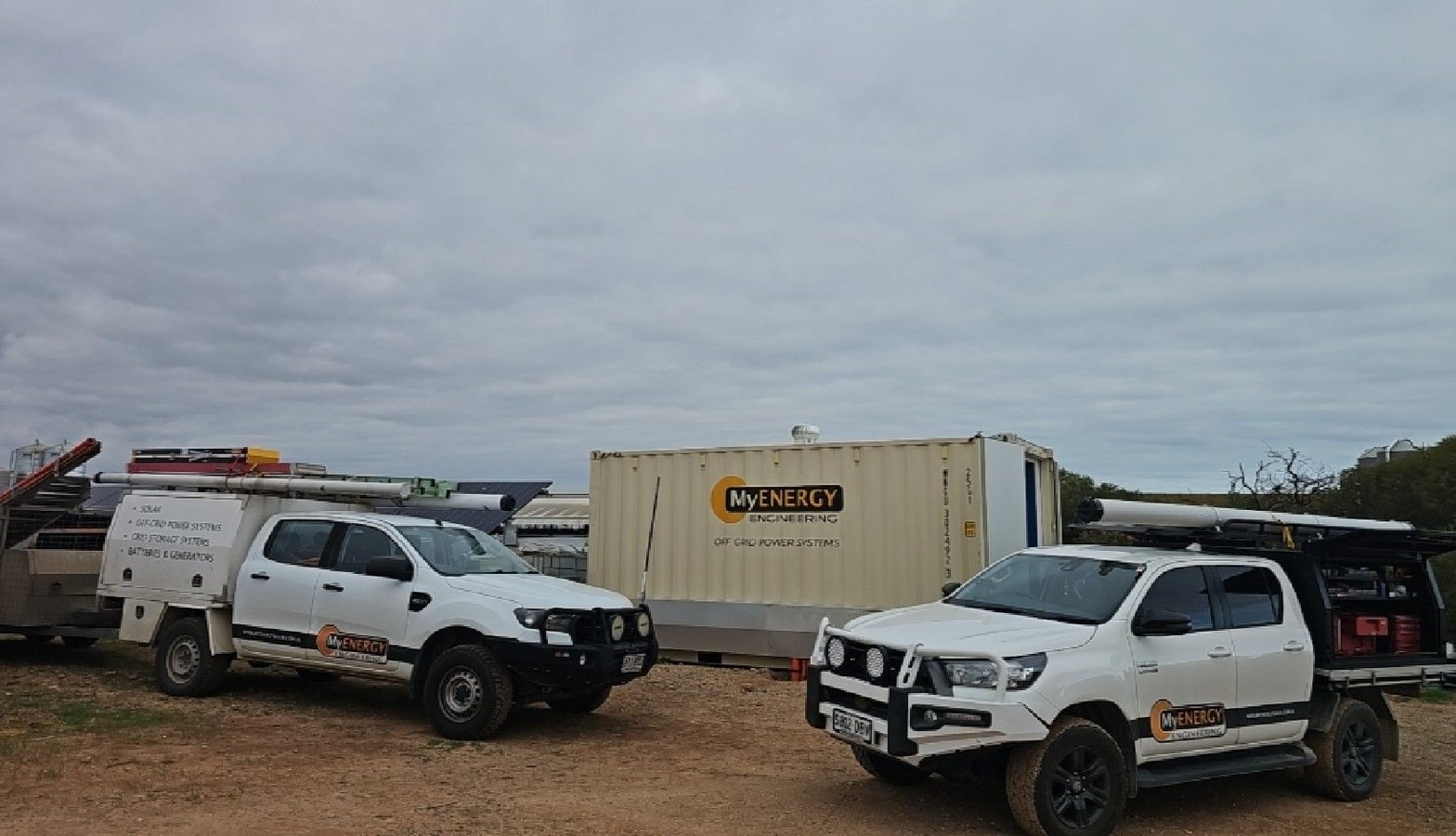
Containerised Off-Grid Power Systems

Containerised off-grid power systems provide a complete, ready-to-deploy power solution for remote and demanding sites. Built into standard 10ft, 20ft, or 40ft containers, these systems are designed to deliver reliable power where traditional infrastructure isn’t practical.

At MyEnergy Engineering, we design and build fully integrated containerised power systems that arrive on site pre-wired, tested, and ready to operate.

Off-grid power · Engineered by MyEnergy

Containerised
power systems.Built for remote life.

An integrated power system, built and tested in our workshop. Delivered ready for site connection and commissioning.

10 ftContainer format
20 ftContainer format
40 ftContainer format

Container size and equipment are selected to suit your project.
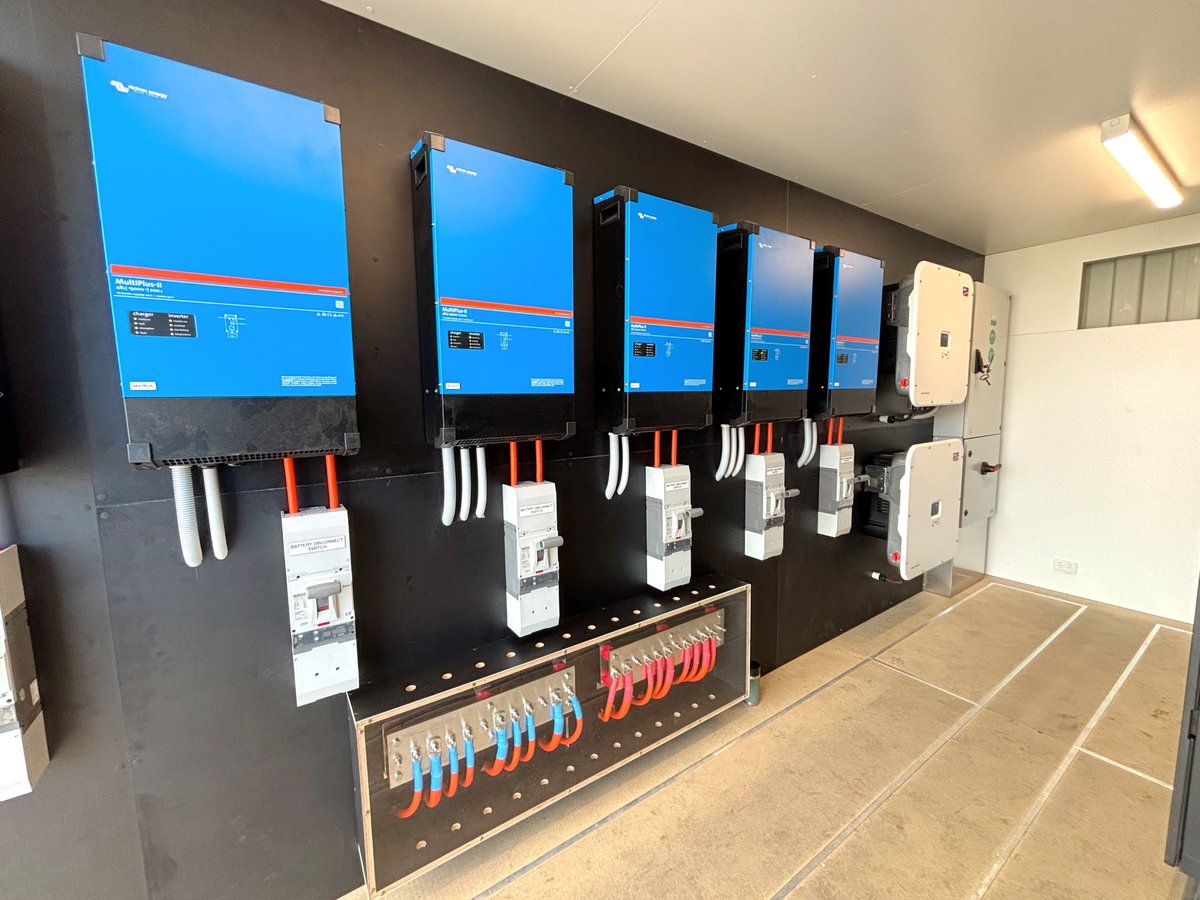
Victron inverter equipment and electrical protection installed inside a MyEnergy containerised power system
INSIDE A MYENERGY CONTAINERISED SYSTEMPower conversion, protection and controls brought together.
Integrated in the workshopAssembly, wiring and configuration
Tested before dispatchFactory acceptance testing under load
Designed for your siteLoads, access and environmental conditions
01 / One integrated system

A complete power station.
In a container.

A containerised off-grid system brings battery storage, inverters, electrical protection, controls and environmental management into a purpose-built enclosure.

At site, it connects to the solar array, generator where required, and your electrical loads. Final connection and commissioning complete the installation.

How the system works together
Solar & generatorEnergy inputs sized for your site
Containerised systemStorage · conversion · protection · controls
Your site loadsBuildings, equipment and infrastructure

Conceptual system overview. Equipment selection, connections and operating strategy are engineered for the application.

02 / What goes inside

Every component.
Working as one system.

System capacity is based on daily energy use, peak demand, equipment starting loads and the reliability your operation needs.

The container provides a controlled space for the equipment, with access and environmental protection considered in the design.

Battery storage & power conversion
Battery storage supports energy availability when solar production is low. Inverter equipment is selected for continuous loads and the starting requirements of your equipment.
Solar & generator integration
Solar input and charge control are configured around site demand. Generator integration provides backup during low solar periods, with control settings matched to the system design.
Switchboards & electrical protection
Switchboards, protection and electrical connections are engineered to the site requirements and applicable Australian standards.
Monitoring & remote access
Monitoring provides system visibility, alarms and performance tracking. Remote access arrangements are determined for the site.
Cooling & environmental control
Cooling, ventilation and equipment layout are designed around the installation environment and the needs of the selected components.
03 / Built before it reaches site

Less assembly in the field.
More preparation in the workshop.

A coordinated build

Major equipment is assembled, wired and configured together, reducing the amount of system assembly required at a remote location.

Testing before transport

Factory acceptance testing under load checks the integrated system before dispatch, supported by documentation and system verification.

A planned site installation

Delivery, site connections and commissioning are considered as part of the project, with the system configured around your application.

04 / From the workshop to your property

Built. Tested. Delivered. Commissioned.

  1. 01

    Design the system

    Assess loads, solar resources, backup requirements, access and site conditions.

  2. 02

    Build and configure

    Assemble equipment, complete wiring and program the system in-house.

  3. 03

    Test and document

    Complete factory acceptance testing under load and verify the system documentation.

  4. 04

    Connect and commission

    Deliver to site, connect the solar, generator and loads, then commission the installation.

05 / Where it works

For sites where
power matters.

Containerised systems provide a practical approach where grid infrastructure is unavailable, difficult to access or unsuitable for the project.

Each design is assessed for the operating conditions and energy requirements of the site.

Agriculture & stations

Workshops, pumping, dairies, irrigation, cold storage and station infrastructure.

Mining & exploration

Remote operations with demanding loads and limited access to grid infrastructure.

Accommodation & resorts

Power for facilities and services at remote accommodation sites.

Construction & infrastructure

Project sites, temporary infrastructure, telecommunications and critical services.
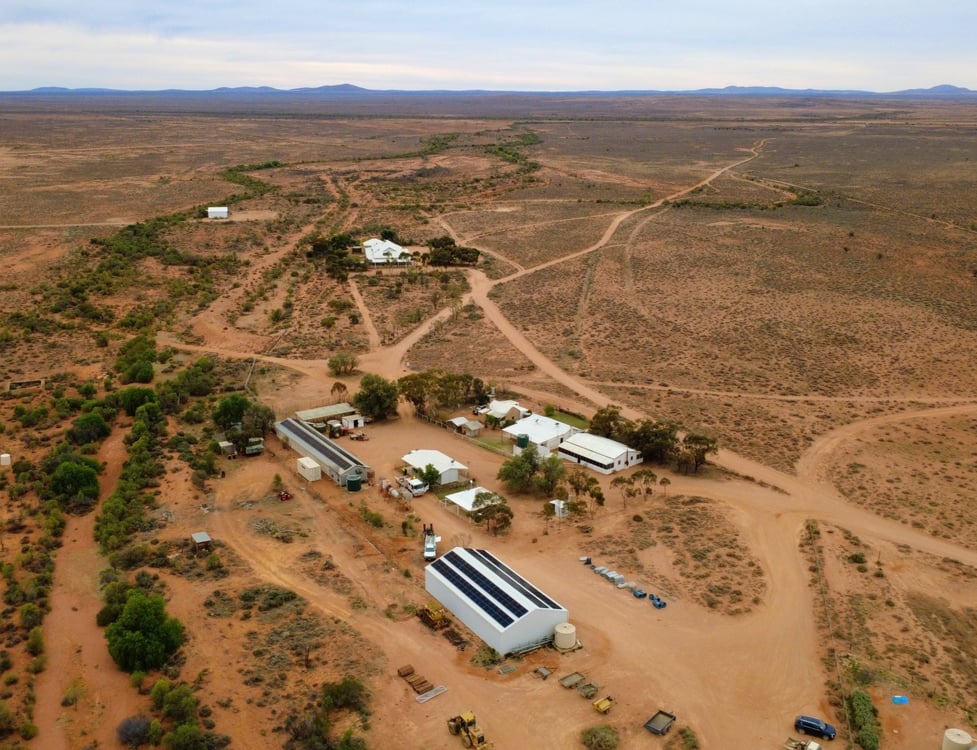
Aerial view of Mount Victor Station and its solar-equipped buildings in remote South Australia
In the field / South Australia

Power for
Mount Victor Station.

See a MyEnergy containerised off-grid power project at Mount Victor Station, near Yunta in South Australia.

A real example of integrated power supporting life and work in a remote location.

06 / Plan your project

Start with the way
your site uses power.

Tell us your location, main loads, operating hours and any existing solar, batteries or generator equipment. Site access and future expansion plans also help shape the design.

Is the system ready to use on delivery?
The system is assembled, pre-wired, configured and tested before dispatch. Site installation still requires connections to the solar array, generator where required, and loads, followed by commissioning.
Which container size do I need?
Systems can be built in 10 ft, 20 ft or 40 ft containers. The appropriate format depends on equipment capacity, layout, access and the project requirements.
Can a generator be included?
Yes. Generator integration forms part of the system design where required, providing backup for low solar periods and other operating conditions.
Can the system allow for future growth?
Future load increases can be considered during design. Expansion options depend on the original equipment, available space and the proposed additional demand.
Let’s design your power system

Remote site.
A considered power solution.

Talk to MyEnergy about a containerised system built around your operation.

Why Use a Containerised Power System

Containerised systems are designed to solve the key challenges of remote and off-grid projects.

Faster Deployment

Systems are pre-built and factory tested before delivery, reducing installation time on site. This is critical for remote locations where labour and access are limited.

Proven Reliability

All components are integrated, tested, and configured as a complete system before leaving the workshop. This reduces on-site issues and ensures consistent performance from day one.

Built for Harsh Environments

Containers are engineered to handle Australian conditions, including:

  • High temperatures
  • Dust and contamination
  • Remote and exposed locations

Environmental control systems such as air conditioning, filtration, and insulation are built into the design.

Simplified Installation

Instead of building a power system from multiple components on site, containerised systems arrive as a single unit. This reduces complexity and improves installation quality.

Scalable Design

Systems can be designed as standalone units or expanded with additional containers as power requirements grow—from small agricultural setups through to large-scale microgrids.

Built for Remote & High-Demand Applications

Containerised power systems provide a practical, scalable solution where reliable power is required away from established grid infrastructure. Typical applications include:

Agriculture & Remote Stations

Power for workshops, pumping, dairies, irrigation, cold storage and station infrastructure.

Mining & Exploration

Modular power for camps, workshops, processing equipment and remote operating sites.

Remote Accommodation & Resorts

Centralised power systems for accommodation, kitchens, utilities and guest facilities.

Construction & Temporary Infrastructure

Transportable power for project sites, compounds, site offices and temporary facilities.

Telecommunications & Critical Infrastructure

Reliable remote power for communications, monitoring, water infrastructure and essential services.

Typical System Configuration

Each container is designed to suit the application, but generally includes:

  • Solar Integration – Sized to match site demand and reduce reliance on fuel
  • Battery Storage – Provides stable power delivery and energy availability overnight
  • Inverter Systems – Handles continuous loads and high startup equipment
  • Generator Backup – Automatic integration for reliability during low solar periods
  • Control & Monitoring – Remote visibility, alarms, and performance tracking
  • Thermal Management – Cooling and airflow systems to protect equipment
  • Electrical Protection – Fully compliant switchboards and safety systems

All systems are engineered to Australian standards and site-specific requirements.

Built, Tested and Delivered as a Complete System

At MyEnergy, containerised systems are built and tested in-house before leaving our workshop.

Our delivery process includes:

  • Full system assembly and wiring
  • Programming and configuration
  • Factory acceptance testing (FAT) under load
  • Documentation and system verification

This approach ensures the system performs as intended before it reaches site.

Power Systems That Are Ready to Deploy

Containerised off-grid power systems provide a practical solution for delivering reliable power to remote sites without the complexity of traditional builds.

If you’re planning a project where access, time, or reliability is critical, a containerised system provides a controlled, proven approach to off-grid power.