
Solar supplies the site
Solar generation serves the loads and charges the battery when surplus energy is available.
Reduce generator runtime with a solar and battery system designed for your farm, station or remote operation.
Solar, storage and generator backup. Designed together.
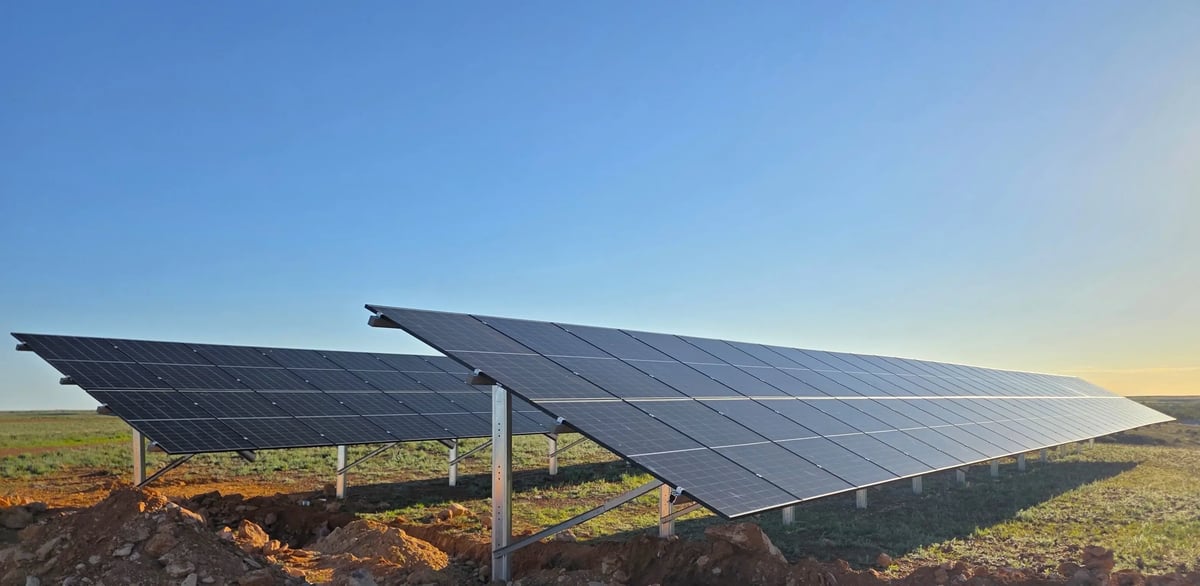
For most remote sites, diesel replacement means changing the generator’s role. Solar and battery storage supply more of the site’s energy, while the generator remains available for backup and charging.
The system is sized around your daily consumption, peak loads, overnight demand and seasonal conditions.
Solar generation serves the loads and charges the battery when surplus energy is available.
Stored energy supports the site overnight and when solar production is lower, within the system’s capacity.
Controls can start a compatible generator to support demand or recharge the batteries, then stop it when conditions allow.
The operating sequence and generator start settings are configured for the equipment and requirements of each site.
Continuous generation also means fuel deliveries, servicing and engine hours. Reducing runtime can reduce these demands on the operation.
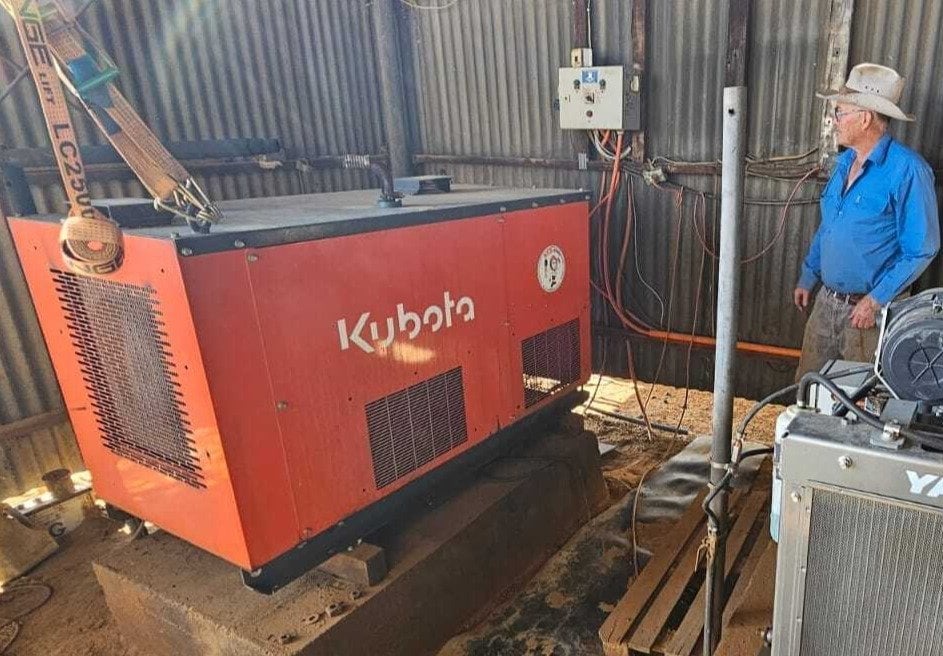
Assess fuel use against operating hours and electrical demand.
Consider the time, access and logistics involved in getting fuel to site.
Review runtime-based servicing, oil, filters and maintenance visits.
Account for engine hours, equipment condition and future replacement needs.
That depends on current fuel use, loads, solar conditions, system size and operating strategy. We assess the opportunity using your site data.
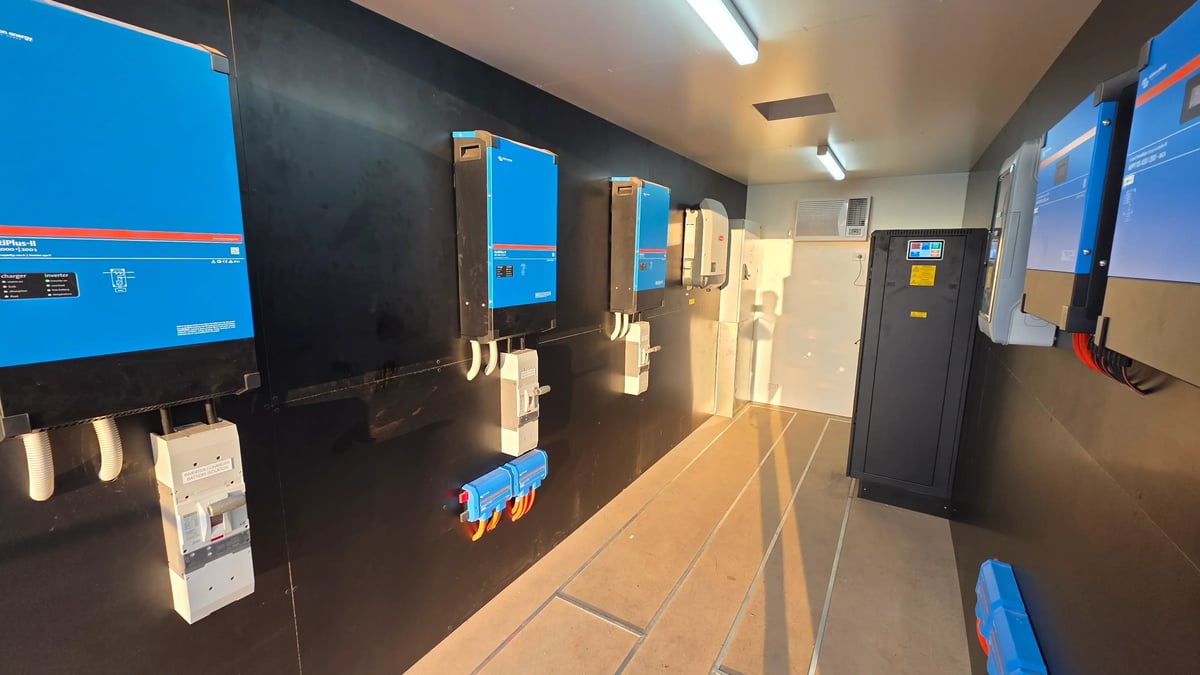
At Murnpeowie Station in remote South Australia, MyEnergy combined solar and battery storage with the existing generators in a containerised off-grid system.
The generators remain integrated for automated backup and battery charging when required.
Where suitable, your existing generator can remain in service. We assess its capacity, condition, controls and integration requirements alongside the new solar, battery and inverter equipment.
Remote monitoring can provide visibility of solar generation, battery charge, consumption and generator operation, with connectivity planned for the location.
MyEnergy has designed and installed off-grid power systems since 2010. Our team handles system design, generator integration, installation, commissioning and ongoing support.
Review fuel use, operating hours, site loads and existing equipment.
Size the solar, storage and inverter capacity, with backup settings and future demand considered.
Integrate the equipment, configure controls and monitoring, and explain system operation.
Most remote systems retain a generator for low solar periods, higher demand or backup. Whether it can be removed is a site-specific design decision. The aim is to reduce reliance on continuous generation.
Often, yes, if the generator is suitable. We assess its rating, condition, controls, automatic-start capability and compatibility with the proposed system before confirming the integration.
There is no single percentage that applies to every site. Fuel savings depend on current generator use, load patterns, solar generation, battery capacity and control settings. Your assessment starts with the actual operating data.
Yes, a system can be designed for suitable three-phase applications. Continuous demand, motor starting loads and the required inverter and generator capacity are assessed during design.
Remote monitoring can show generation, storage, consumption and generator operation. The available functions and remote support arrangements depend on the selected equipment and site connectivity.
Tell us about your site, current fuel use and power needs. We’ll help define a practical next step.