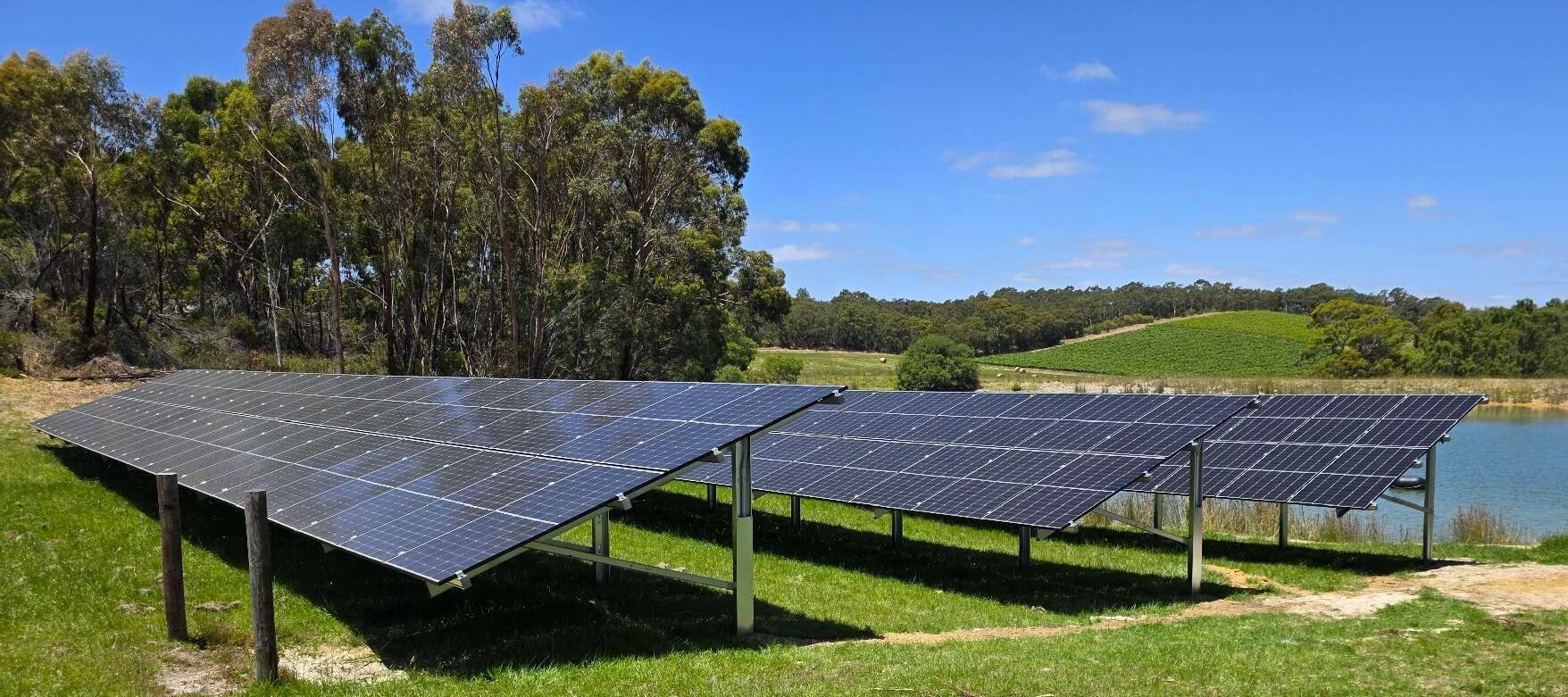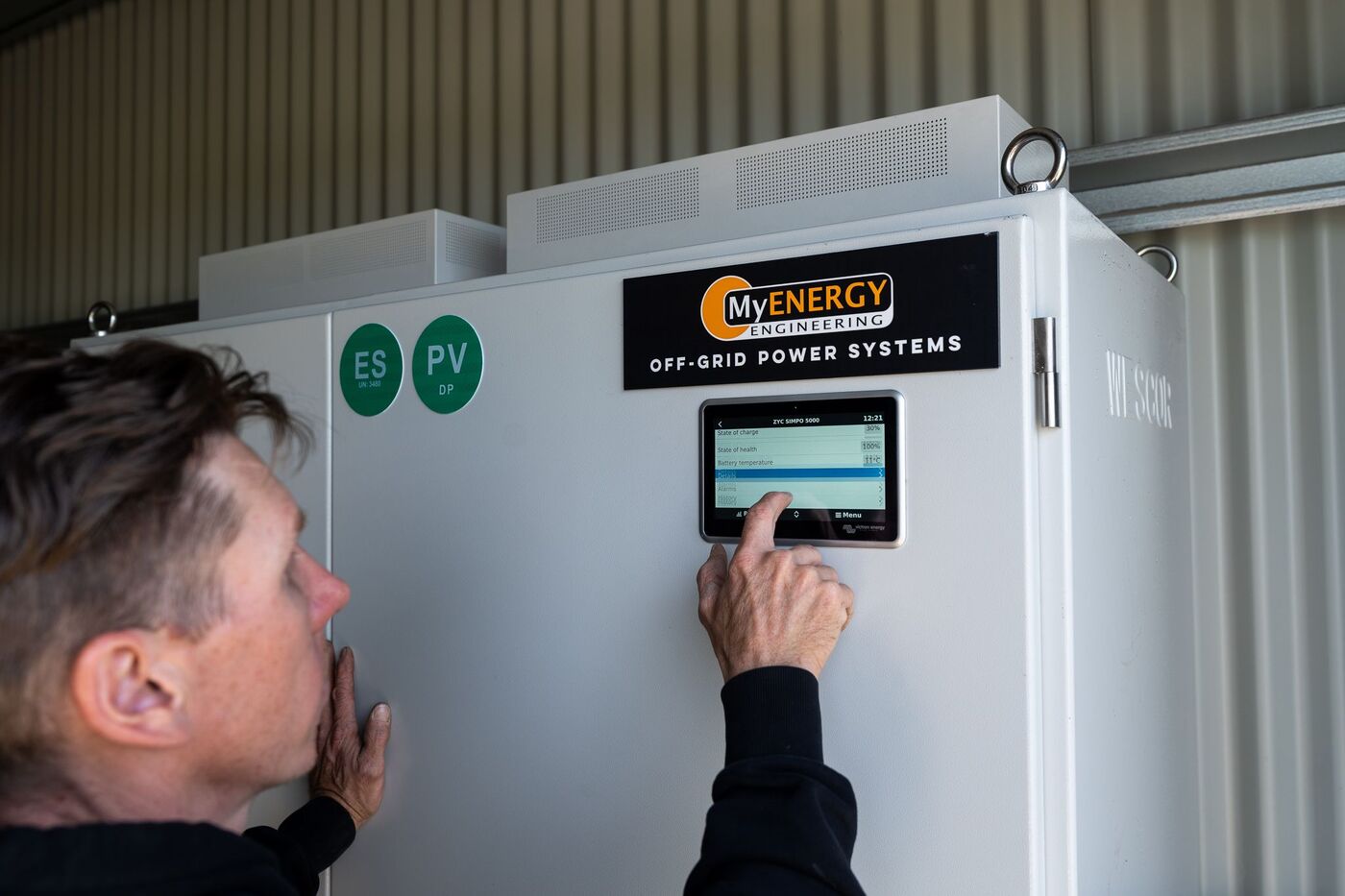
Complete Support for Your Off-Grid Power System

Off-grid power system servicing involves inspecting, testing and assessing the equipment that generates, stores and supplies electricity to your property. Preventative maintenance addresses ongoing care, while commissioning checks that a new or upgraded system is configured and operating as intended.

For farms and remote properties, these services help support essential loads such as stock water pumps, refrigeration, communications, workshops and household power.

Service What it involves When it’s useful
Servicing and fault finding Assessing system condition, investigating faults and identifying repairs or adjustments. When performance changes, alarms appear or a scheduled service is due.
Preventative maintenance Planned inspections and maintenance suited to the equipment and site conditions. Throughout the system’s life and ahead of demanding operating periods.
Commissioning Configuring, testing and documenting how system components operate together. Before a new installation or significant upgrade enters normal operation.


Off-Grid Power System Servicing and Fault Finding

A system that shuts down, struggles to start equipment or relies increasingly on its generator needs assessment. These symptoms can have several causes, including changing energy demand, equipment faults, battery deterioration or unsuitable settings.

We review the complete installation to understand the issue and recommend appropriate work.

Depending on your equipment and the agreed service scope, checks may include:

  • Solar generation and charging performance.
  • Battery condition, operating data and battery management alarms.
  • Inverter and solar charge controller operation.
  • Generator integration, automatic starting and charging.
  • Accessible cabling, connections, enclosures and protective equipment.
  • Fault logs, monitoring data and system settings.
  • Performance against current property loads.

The findings help establish whether your system needs maintenance, repairs, configuration changes or further investigation.

Preventative Maintenance for Farms and Rural Properties

Preventative maintenance helps identify developing issues and keep equipment operating within its intended conditions. On rural properties, maintenance planning should account for dust, heat, moisture, pests and seasonal changes in power demand.

The appropriate maintenance schedule depends on the equipment, battery technology, manufacturer requirements and installation environment. A heavily used system supplying agricultural infrastructure may have different needs from one powering an occasionally occupied property.

Plan Maintenance Around Seasonal Workloads

Before irrigation, harvest or other demanding periods, a system review can help identify work that should be addressed before power demand increases.

It is also a useful time to discuss new equipment, longer operating hours or additional loads. Changes to the way your property uses electricity can affect a system even when its individual components are functioning correctly.

Understand Your System’s Condition

Following assessment, we explain the findings and recommended actions so you can prioritise work and plan future maintenance. This may include items requiring repair, performance concerns to investigate and equipment to monitor over time.

Commissioning New and Upgraded Off-Grid Systems

Off-grid system commissioning checks that installed components are correctly configured and work together under the tested operating conditions. It is an essential stage in bringing a new installation or significant upgrade into service.

Commissioning may be required when installing a complete system, replacing batteries, changing an inverter or integrating a backup generator.

Depending on the project, the commissioning scope may include:

  • Reviewing equipment compatibility and configuration.
  • Checking battery charging settings and operating limits.
  • Testing solar charging and inverter operation.
  • Assessing system response to connected loads.
  • Testing generator start, stop and charging functions.
  • Confirming monitoring, communications and alarms.
  • Recording settings and test results.
  • Providing an operational handover.

Know How to Operate Your System

A practical handover explains normal operation, monitoring information and warning signs that need attention. It should also clarify the system’s operating limits and ongoing maintenance requirements.

This helps you manage everyday power use and provide useful information if support is needed later.

Off-Grid Power Support for Agriculture

Agricultural properties often combine continuous essential loads with equipment that operates seasonally or requires higher power at startup. System assessment needs to consider both total energy consumption and the demands of equipment operating at the same time.

We support off-grid installations used for:

  • Stock watering and bore pumps: supplying water infrastructure across remote properties.
  • Irrigation: supporting pumping requirements and seasonal operating schedules.
  • Refrigeration and cool rooms: powering temperature-controlled storage.
  • Farm workshops and sheds: supplying tools, lighting and equipment.
  • Farmhouses and workers’ accommodation: supporting everyday living requirements.
  • Remote infrastructure: powering communications, monitoring and security equipment.

Understanding which loads are essential, when they operate and how demand changes helps guide maintenance and upgrade decisions.

Signs Your Off-Grid System Needs Attention

Arrange an assessment if you notice:

  • More frequent generator operation without an obvious change in usage or weather.
  • Batteries providing less usable power than previously.
  • Repeated alarms, faults or unexpected shutdowns.
  • Difficulty starting pumps, refrigeration or workshop equipment.
  • An unexplained reduction in solar generation.
  • Power interruptions when multiple appliances operate together.
  • Performance problems following equipment additions or system changes.

These symptoms do not automatically mean the whole system needs replacing. A review can help distinguish between equipment faults, maintenance needs and changes in demand.

Frequently Asked Questions

How often should an off-grid power system be serviced?

The servicing interval depends on the equipment, manufacturer requirements, site conditions and operating demands. Follow the system’s maintenance documentation and arrange an assessment if performance changes or faults occur. Maintenance planning should also account for periods of heavy seasonal use.

Do off-grid solar batteries need maintenance?

All battery systems require appropriate monitoring and periodic checks, but maintenance tasks vary by battery type. Some lead-acid batteries require electrolyte maintenance, while lithium batteries have different inspection and monitoring requirements. Battery work should follow the manufacturer’s instructions and be carried out by a suitably qualified person where required.

Why is my backup generator running more often?

Increased generator use can result from lower solar generation, higher electricity demand, reduced usable battery capacity, system settings or equipment faults. Reviewing monitoring data, operating conditions and system performance helps identify the cause.

What is the difference between servicing and commissioning?

Servicing assesses and maintains a system already in use. Commissioning configures and tests a new or modified installation before normal operation, checking that its components work together as intended.

Does an upgraded off-grid system need commissioning?

Significant upgrades generally require relevant configuration checks and testing. New batteries, inverters or generator controls can change how the system operates, so the affected components and their integration should be assessed before normal use.

Can an existing off-grid system support more farm equipment?

It depends on the system’s capacity and the equipment being added. An assessment should consider daily energy use, peak demand, motor starting requirements, battery storage and backup generation. Some installations can accommodate additional loads; others need upgrades or changes to operating schedules.

What information should I provide when booking a service?

Provide your property location, equipment makes and models, approximate system age and a description of any issues. Photos of equipment labels, fault messages and available monitoring records can also help establish the service scope.