
Commercial solar
Match generation to daytime demand, available space and the site’s approved connection arrangements.
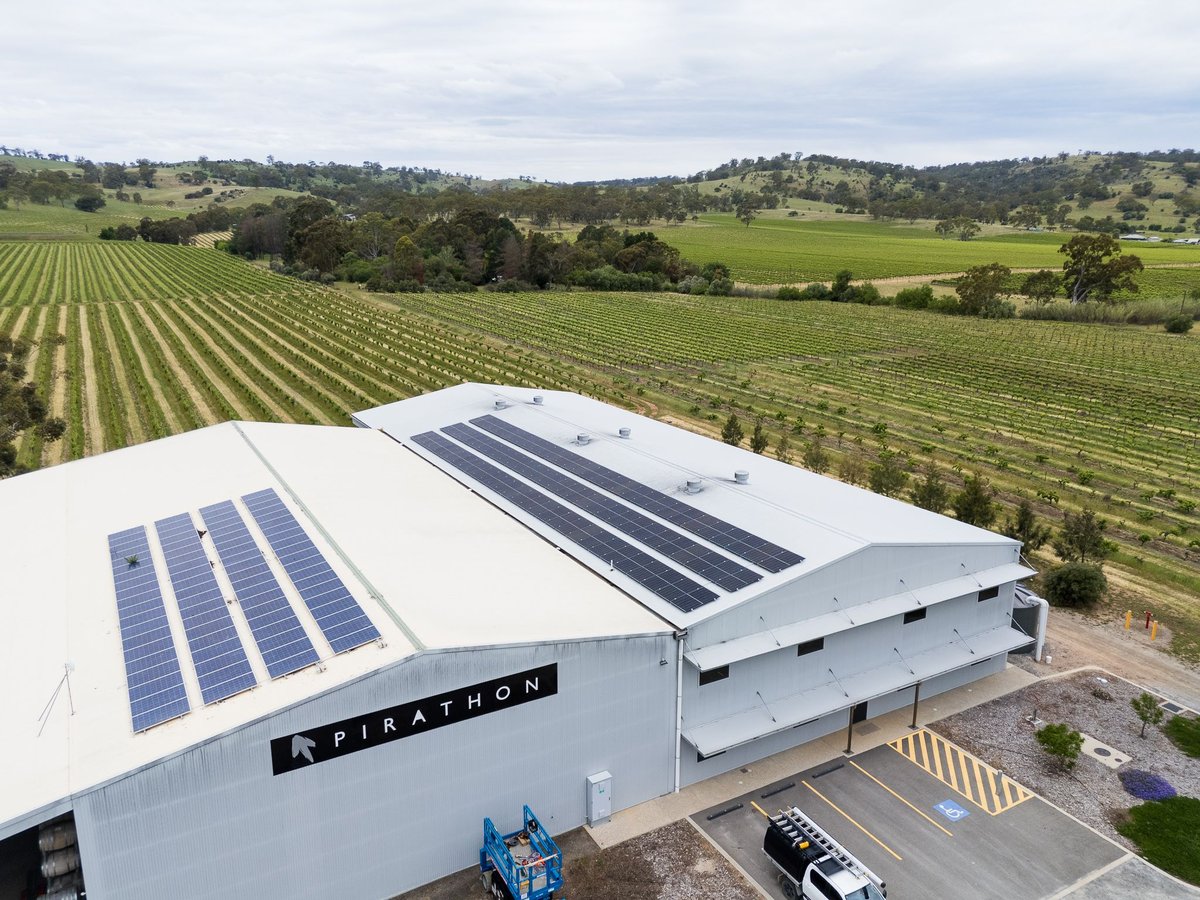
Reduce electricity costs, manage peak demand and build greater control over how your business uses power.
MyEnergy designs and installs commercial solar and battery systems based on your site’s actual consumption, operating hours, electrical infrastructure and plans for future growth.
From workshops and manufacturing facilities to farms, offices and large commercial sites, we deliver complete systems across South Australia and Victoria.
Systems for businesses, farms and commercial facilities looking to reduce grid consumption and manage the way power is used.
Explore this service ↓
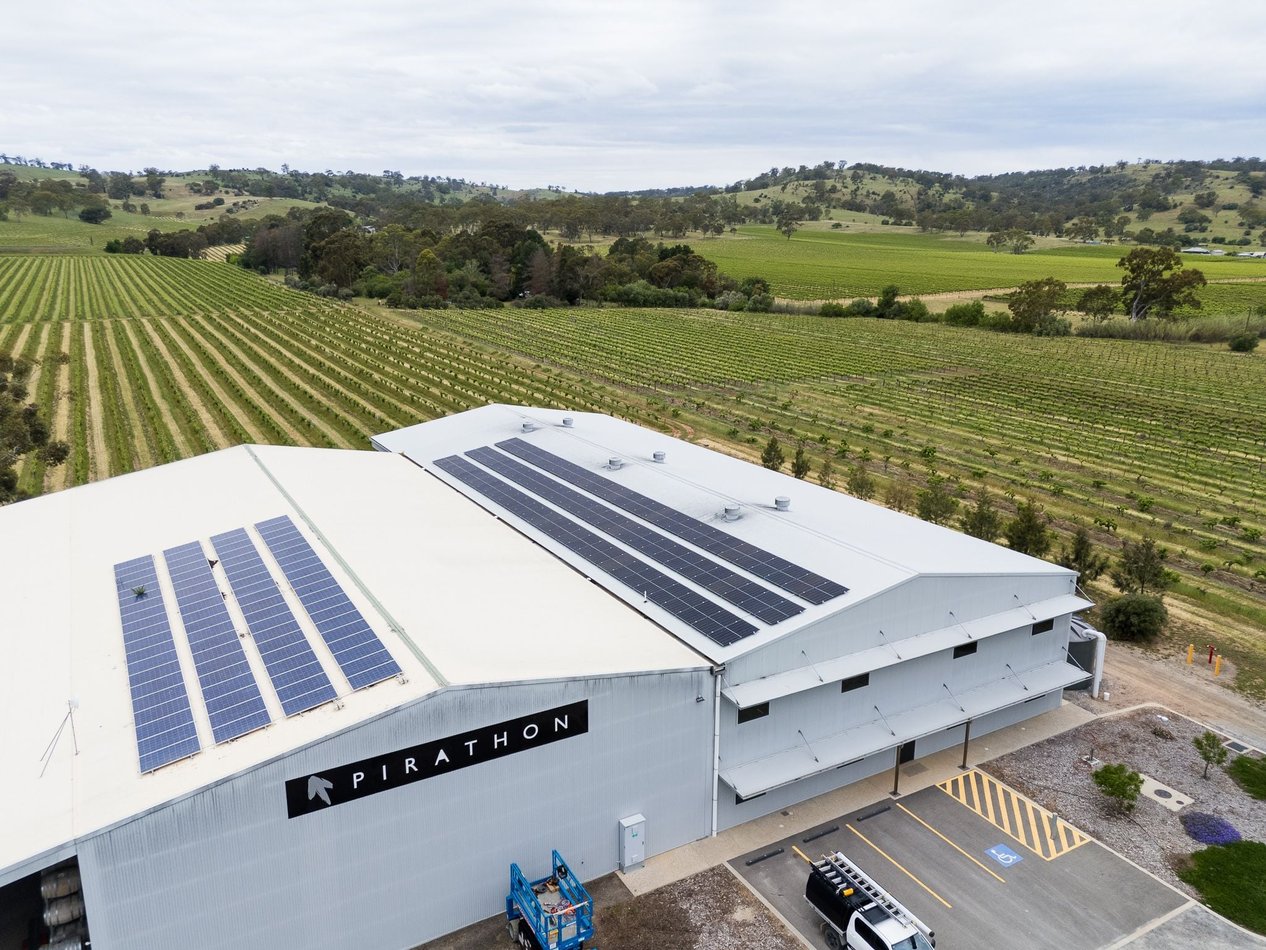
A successful commercial energy project starts with operating hours, interval data, peak demand and electrical infrastructure. We assess solar and storage against the work the site actually does, including export limits, network capacity and future equipment.
Match generation to daytime demand, available space and the site’s approved connection arrangements.
Assess storage for later use, peak management and selected backup loads where the design supports it.
Review weak-grid constraints, machinery additions, EV charging and expansion alongside the on-site system.
Where available, we analyse 12 months of interval data to understand daily peaks and seasonal changes. Financial modelling should reflect tariffs, expected utilisation and the proposed design. The resulting scope identifies equipment, electrical works, connection requirements and commissioning.
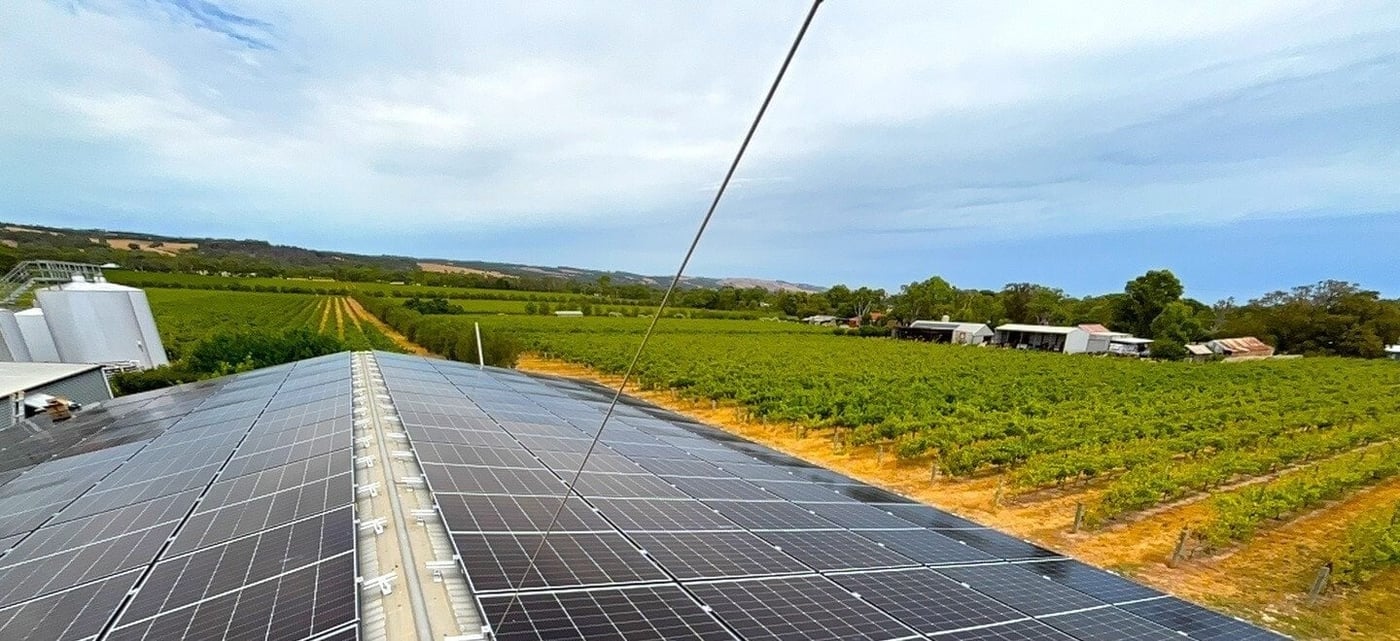
A commercial solar and battery installation combining 39.6 kW of solar generation with 51.2 kWh of storage.
Explore this project ↗MyEnergy has designed and delivered power systems since 2010. Our team connects the design, equipment and installation with long-term operation.
Review the property, current equipment and what the system needs to achieve.
Explain the suitable configuration and the installation or integration work required.
Complete the agreed work, test operation and explain how to use and support the system.
No. Its value depends on the load profile, tariffs, solar surplus, backup priorities and system cost. We assess storage alongside solar-only and other suitable options.
Selected loads can be supported when the equipment and electrical system are designed for backup. The required power and runtime are established during design.
Recent bills, interval data where available, major equipment details, operating hours and expansion plans help establish the opportunity.
Bring your electricity records and plans for the site. We can assess how generation and storage fit your operating pattern and electrical infrastructure.
Generate power during operating hours and reduce the amount of electricity purchased from the grid.
Commercial solar can be installed across rooftops, car parks or ground-mounted arrays, depending on the available space and site requirements.
Store solar or lower-cost grid energy for use when electricity is more expensive or site demand is higher.
Battery storage may be used for peak-demand management, increased solar self-consumption, backup power or additional supply capacity.
Where a site has a constrained grid connection, battery inverters can provide additional power during short periods of high demand.
This can help businesses operate larger or overlapping loads where a grid upgrade is unavailable, delayed or commercially unviable.
We can incorporate commercial EV charging, new machinery and planned site expansion into the original design, reducing the risk of the system becoming undersized as your business grows.
Commercial systems should not be sized from an electricity bill alone.
Where available, we analyse 12 months of interval data to understand:
You receive a system recommendation based on the requirements of your site—not a standard package.
We discuss your objectives and review recent electricity bills, interval data and information about the site.
Our team assesses the available installation areas, switchboards, electrical supply, network requirements and access conditions.
We develop a tailored design and provide clear modelling around expected generation, energy savings, battery operation and project costs.
Our in-house installation team completes the work, coordinates the required approvals and commissions the system around your operations.
Once operational, the system can be remotely monitored to confirm performance and assist with ongoing support.
No. Its value depends on your load profile, electricity tariff, peak demand, solar export and operating requirements. We assess these factors before recommending battery storage.
In some applications, yes. A correctly designed grid-support system can provide additional power when site demand temporarily exceeds the available grid supply. Detailed load data is required to confirm whether this is suitable.
Yes, but backup must be included in the system design. We identify which loads are critical and design the required inverter, battery and changeover arrangement around them.
A recent electricity bill is a useful starting point. For a detailed assessment, we may also request 12 months of interval data, site plans, switchboard photos and information about major equipment or future loads.
Yes. Our team can coordinate the relevant network applications, metering requirements and electrical approvals as part of the project.
Send us a recent electricity bill and, where available, your interval data. Our team will review your site requirements and determine whether solar, battery storage or a combined system is the right fit.