
 Ciaram Granger
Key Takeaways: Getting Power to a Remote Property in Australia
- Grid connection quotes for remote sites in Australia often exceed the cost of a standalone off-grid system.
- Off-grid power systems require site-specific design around actual loads, battery autonomy, and generator backup.
- Solar PV paired with lithium battery storage forms the core of most remote property power systems in 2026.
- MyEnergy Engineering designs and installs complete off-grid systems for remote homes, farms, and commercial sites.
- Generator integration remains critical for backup charging during extended poor weather or high-demand periods.
What Does Getting Power to a Remote Property Actually Involve?
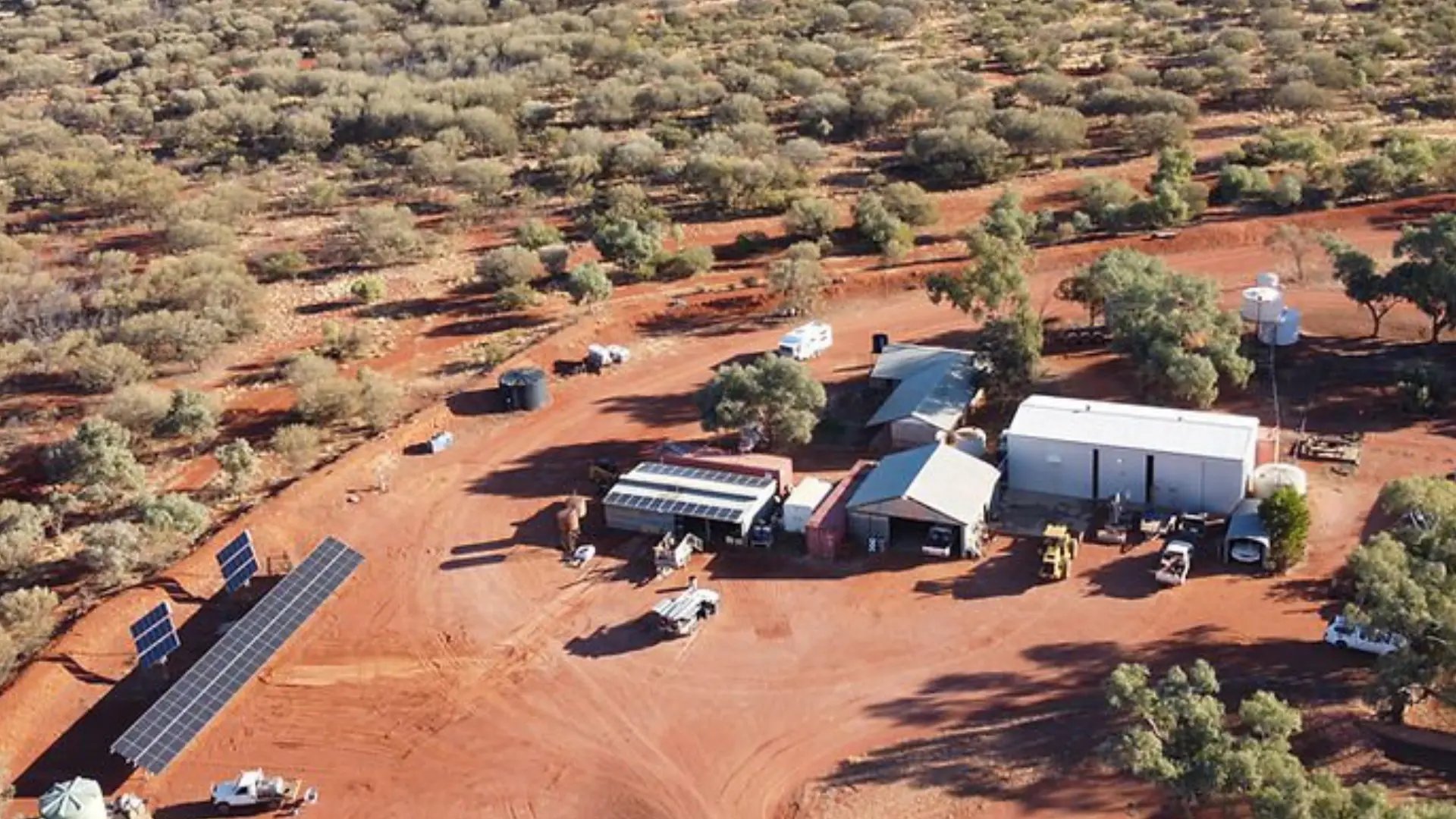
Getting power to a remote site in Australia is not as simple as calling your local distributor. For sites more than a few hundred metres from the nearest transformer, grid connection can be complicated, expensive, and in some cases impractical altogether.
The decision comes down to two paths: extend the grid to your site, or install a standalone off-grid power system. Each option has real trade-offs around cost, reliability, lead time, and long-term operation. This guide covers both in detail so you can make an informed decision based on how your site actually operates.
How Grid Connection Works for Remote Properties in Australia
When you purchase land or build on a remote site, your local Distribution Network Service Provider handles any request to extend the grid. In most states, this means SA Power Networks, Ausgrid, Ergon Energy, Horizon Power, or similar.
The process typically involves:
- Submitting a connection application with your expected load requirements
- Receiving a quote based on the distance from the nearest suitable transformer
- Paying a contribution toward the cost of extending poles, wires, and transformer infrastructure
- Waiting for the network to schedule and complete the build
For sites close to existing infrastructure, this process can be straightforward. For remote sites several kilometres from the grid, the quote alone can take weeks, and the total cost can run into six figures.
When Grid Connection Becomes Impractical
Beyond a certain distance, extending the grid stops making financial sense. In regional and outback Australia, we regularly see grid quotes exceeding $80,000 to $150,000 or more for properties several kilometres from the nearest line.
At that point, an off-grid power system designed around your site's actual loads and conditions becomes the more practical option. It also means you own your power infrastructure outright and are not dependent on network reliability in remote areas where outages are common.
Off-Grid Power: How a Standalone System Works
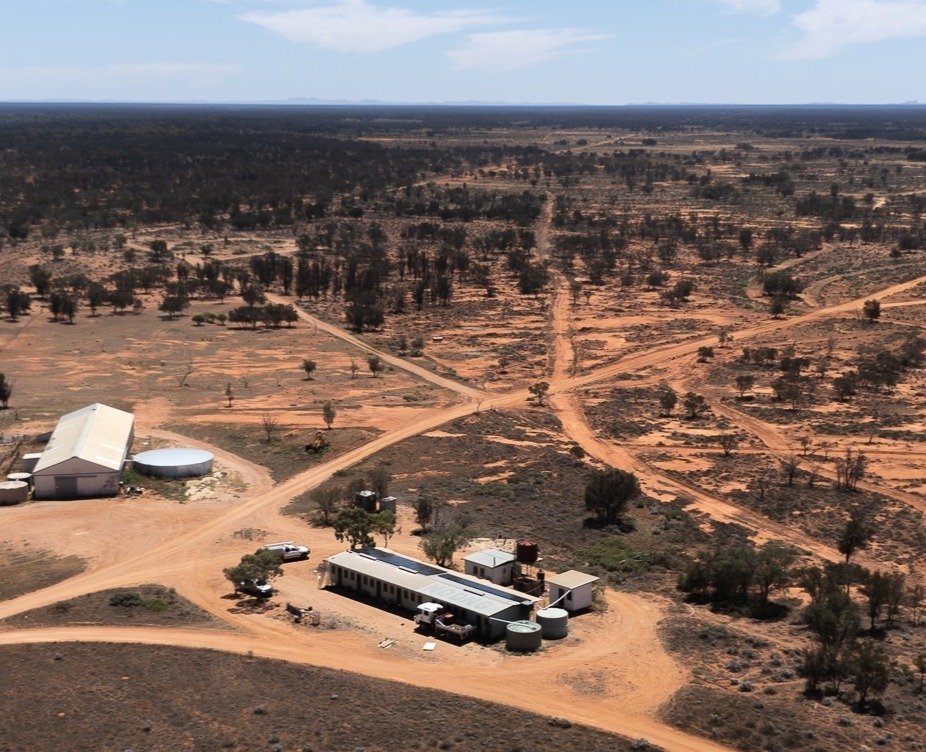
A properly designed off-grid system replaces the grid entirely. It generates, stores, and manages all the power your site needs without any connection to external infrastructure.
The core components of an off-grid power system include:
- Solar PV array for primary generation
- Lithium battery bank for energy storage and overnight supply
- Off-grid inverter/charger to manage power flow, loads, and battery charging
- Backup diesel generator for extended poor weather or peak demand periods
- System monitoring for remote fault detection and performance tracking
Each component needs to be sized around the site's daily energy use, peak power demand, and the level of battery autonomy required between generator starts.
Step-by-Step: How to Assess Your Remote Site's Power Needs
Before any system can be designed, you need a clear picture of your site's actual loads. Every site is different, and getting the sizing right at the start prevents costly problems later.
Step 1: Identify All Electrical Loads
Walk through the site and list every piece of equipment that requires power. For a remote house, this typically includes lighting, refrigeration, hot water, air conditioning, and any workshop tools. For agricultural sites, add bore pumps, irrigation controllers, shearing sheds, cold rooms, and accommodation.
Step 2: Calculate Daily Energy Use
For each item, estimate how many hours per day it runs and multiply by its rated wattage. Sum these figures to get your total daily kilowatt-hour requirement. A typical remote home might use 15 to 30 kWh per day. A working farm with pumps and refrigeration may use 40 to 80 kWh or more.
Step 3: Identify Peak Power Demand
Peak demand is the maximum instantaneous power your system must deliver at any one time. Motors, pumps, and compressors draw high starting currents that can be three to seven times their running load. The inverter must handle these surges without tripping.
Step 4: Determine Battery Autonomy Requirements
Battery autonomy is the number of days your battery bank can supply your loads without any solar input. For most remote sites in Australia, two to three days of autonomy is standard. Sites in areas with prolonged cloud cover or seasonal weather patterns may need more.
Step 5: Account for Generator Backup and Future Growth
No off-grid system should be designed without considering backup charging. A properly integrated diesel generator ensures your batteries stay charged during extended bad weather. Factor in future growth as well. If you plan to add sheds, accommodation, or new equipment, size the system to accommodate that expansion from the start.
Solar PV Sizing for Remote Australian Sites
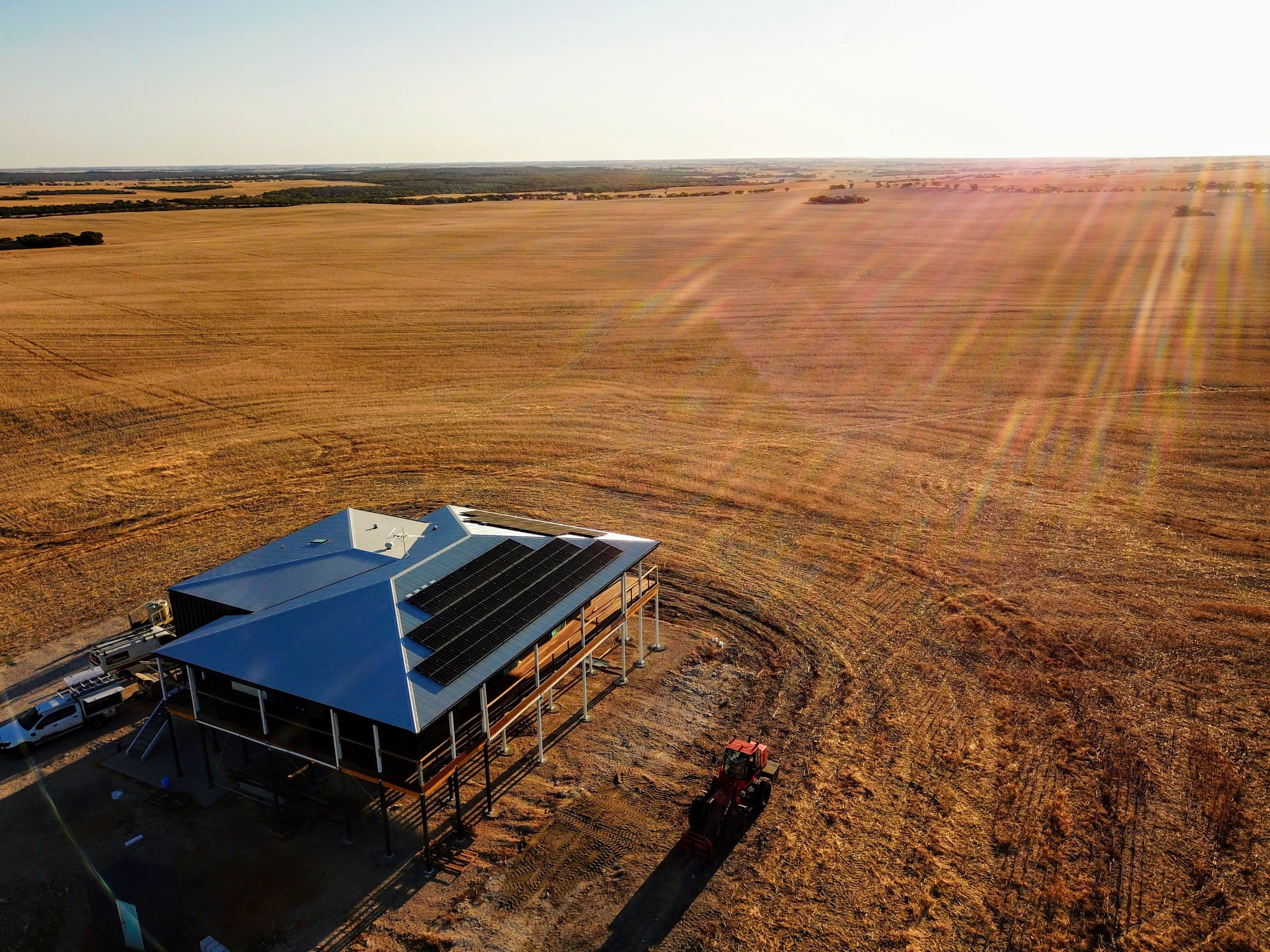
Solar is the primary generation source for off-grid systems across Australia. Array sizing depends on your daily energy requirement, the solar resource at your specific location, and the system losses through wiring, dust, and temperature derating.
As a general guide, a 10 kW solar array in a high-irradiance area like South Australia or outback Queensland may produce 40 to 50 kWh per day in winter. That same array in a cooler, cloudier location will produce less. The array needs to generate enough energy to cover your daily use and recharge the battery bank before the next evening.
Ground-mount arrays are common on remote sites where roof space is limited or the roof orientation is not ideal. Ground mounts also allow for easier cleaning and future expansion of the array.
Battery Storage: Choosing the Right Capacity
The battery bank is the backbone of any off-grid system. It stores excess solar generation during the day and delivers power overnight and through poor weather periods.
Lithium iron phosphate batteries are now the standard for off-grid installations in Australia. They offer long cycle life, high usable capacity, and reliable performance across a wide temperature range.
Battery capacity is sized around your daily energy use multiplied by the required days of autonomy, with a margin for depth-of-discharge limits. A site using 25 kWh per day with two days of autonomy needs a minimum usable capacity of 50 kWh. In practice, most systems are sized with additional headroom to reduce cycling depth and extend battery life.
Why Battery Selection Matters in Remote Conditions
Remote sites in Australia experience temperature extremes, dust, and limited access for maintenance. The battery platform you choose must handle these conditions reliably over a 10 to 15-year operational life. MyEnergy Engineering specifies proven lithium platforms including Pylontech, ZYC, and Victron-compatible systems based on the site's requirements and load profile.
Generator Integration: Why Backup Charging Matters
A common mistake in off-grid system design is underestimating the role of the backup generator. Solar and batteries handle most of the load most of the time. But extended poor weather, unusually high demand, or seasonal load increases can drain battery reserves faster than solar can replenish them.
A properly sized and integrated generator starts automatically when battery voltage drops below a set threshold, charges the batteries, and shuts down when they reach a target state of charge.
For most residential off-grid sites, generator run time averages 50 to 150 hours per year when the system is designed properly. For agricultural and commercial sites with heavier loads, run time may be higher, particularly during winter months or peak operational periods.
Inverter Selection for Off-Grid Sites
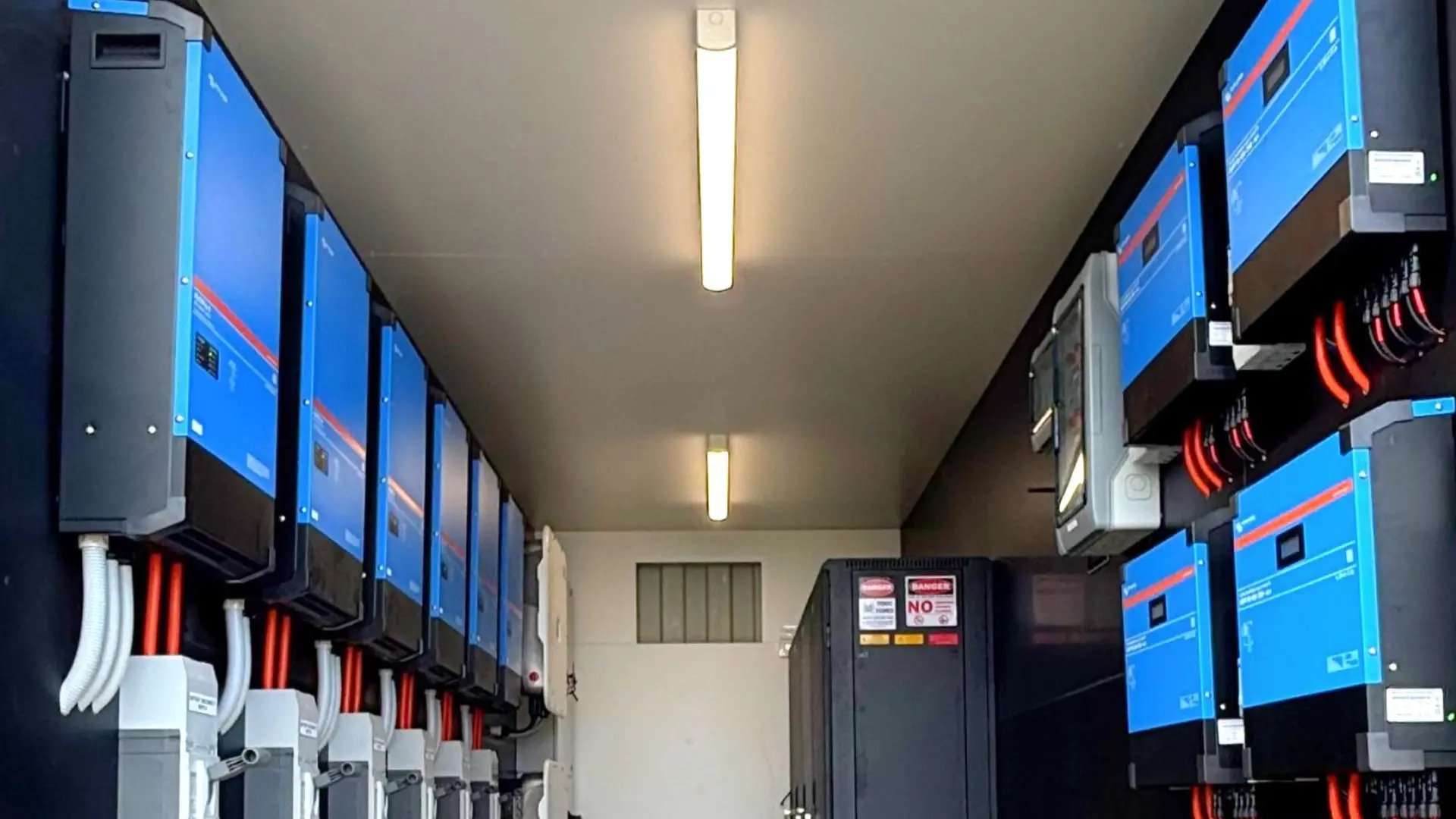
The off-grid inverter is the control centre of the system. It converts DC battery power to AC for your loads, manages charging from both solar and generator, and protects the system from overloads and faults.
Inverter sizing needs to account for continuous load, surge capacity, and future expansion. For remote sites with motor and pump loads, high-surge inverters are essential. Motors can draw six to seven times their rated current at startup, and the inverter must handle that without shutting down.
MyEnergy Engineering works primarily with Victron Energy inverter/chargers for off-grid applications. Victron systems offer modular scalability, remote monitoring through the VRM portal, and a proven track record in harsh Australian conditions.
Remote Monitoring and System Management
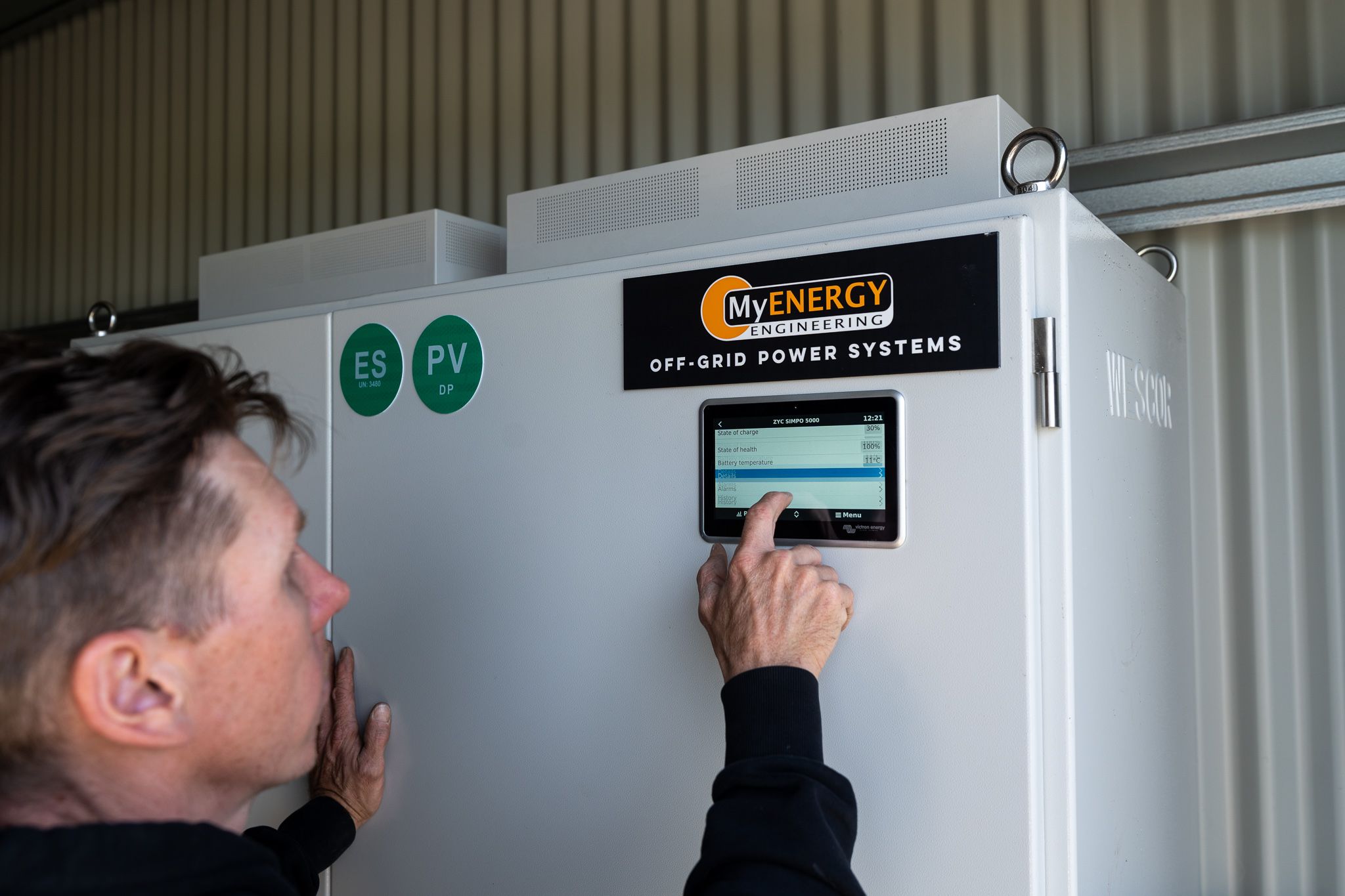
For a site you may not visit daily, remote monitoring is critical. It allows you to check battery state of charge, solar production, generator run time, and system alarms from anywhere with an internet or mobile connection.
Victron Remote Management gives real-time visibility into every aspect of your power system. It also allows your installer to diagnose faults, adjust settings, and monitor long-term performance without needing to travel to the site.
MyEnergy Engineering uses remote monitoring on every off-grid installation to track system health and identify issues before they become failures. For remote stations and agricultural sites where access is limited, this capability is not optional.
Understanding Australian Standards and Compliance
Off-grid power systems in Australia must comply with AS/NZS 4509 for standalone power systems and AS/NZS 5033 for solar PV installations. These standards cover system design, installation, earthing, and protection requirements.
Your installer needs to be a licensed electrician with experience in standalone power system design and commissioning. Incorrect wiring, missing protection devices, or non-compliant earthing can create serious safety risks on a remote site where help is not nearby.
MyEnergy Engineering designs and installs all systems to meet current Australian standards. Our in-house team manages compliance from design through to commissioning and handover.
Costs: Grid Connection vs Off-Grid System
Comparing grid connection to an off-grid system is not always straightforward because each option has different cost structures.
Grid connection involves a large upfront contribution to the network, ongoing electricity bills, and dependence on infrastructure you do not own. If the network experiences faults or outages in remote areas, you have no backup unless you install one yourself.
An off-grid system involves a capital investment in your own power infrastructure. You own the generation, storage, and control equipment. Ongoing costs are limited to fuel for the generator and periodic maintenance. Over a 20-year period, a well-designed off-grid system typically delivers a lower total cost of ownership than a remote grid extension.
According to the CSIRO GenCost 2025-26 report, the cost of small-scale solar PV and battery systems continues to decline, strengthening the financial case for off-grid over remote grid extensions.
Common Mistakes When Getting Power to a Remote Site
We've worked on off-grid projects across Australia since 2010, and certain mistakes come up repeatedly in systems we are called to repair or replace.
Undersizing the Battery Bank
A battery bank sized too small forces the generator to run more often, increases cycling depth, and shortens battery life. The system costs less upfront but more over its operational life.
Ignoring Motor Starting Loads
If the inverter cannot handle the starting current of your largest motor, it will trip and leave the site without power. This is a common issue on agricultural sites with bore pumps or refrigeration compressors.
No Allowance for Future Growth
Building a system with no room to expand means expensive retrofitting later. It is far more cost-effective to design capacity for growth from the start.
Poor Generator Integration
A generator that does not integrate properly with the inverter and battery system causes inefficiency, excessive fuel use, and unreliable backup charging. Generator integration needs to be designed as part of the system, not bolted on as an afterthought.
How MyEnergy Engineering Approaches Remote Power Projects
Since 2010, we've designed and installed off-grid power systems for remote homes, farms, stations, resorts, and commercial facilities across Australia. Our approach starts with understanding how the site actually operates before specifying any equipment.
Our general approach involves:
- Reviewing the site's current and expected daily energy use
- Identifying all major loads including motors, pumps, and high-starting equipment
- Assessing solar resource, weather patterns, and site access
- Designing battery storage around required autonomy and load profile
- Specifying generator backup and integration parameters
- Allowing for future expansion in inverter capacity, solar, and storage
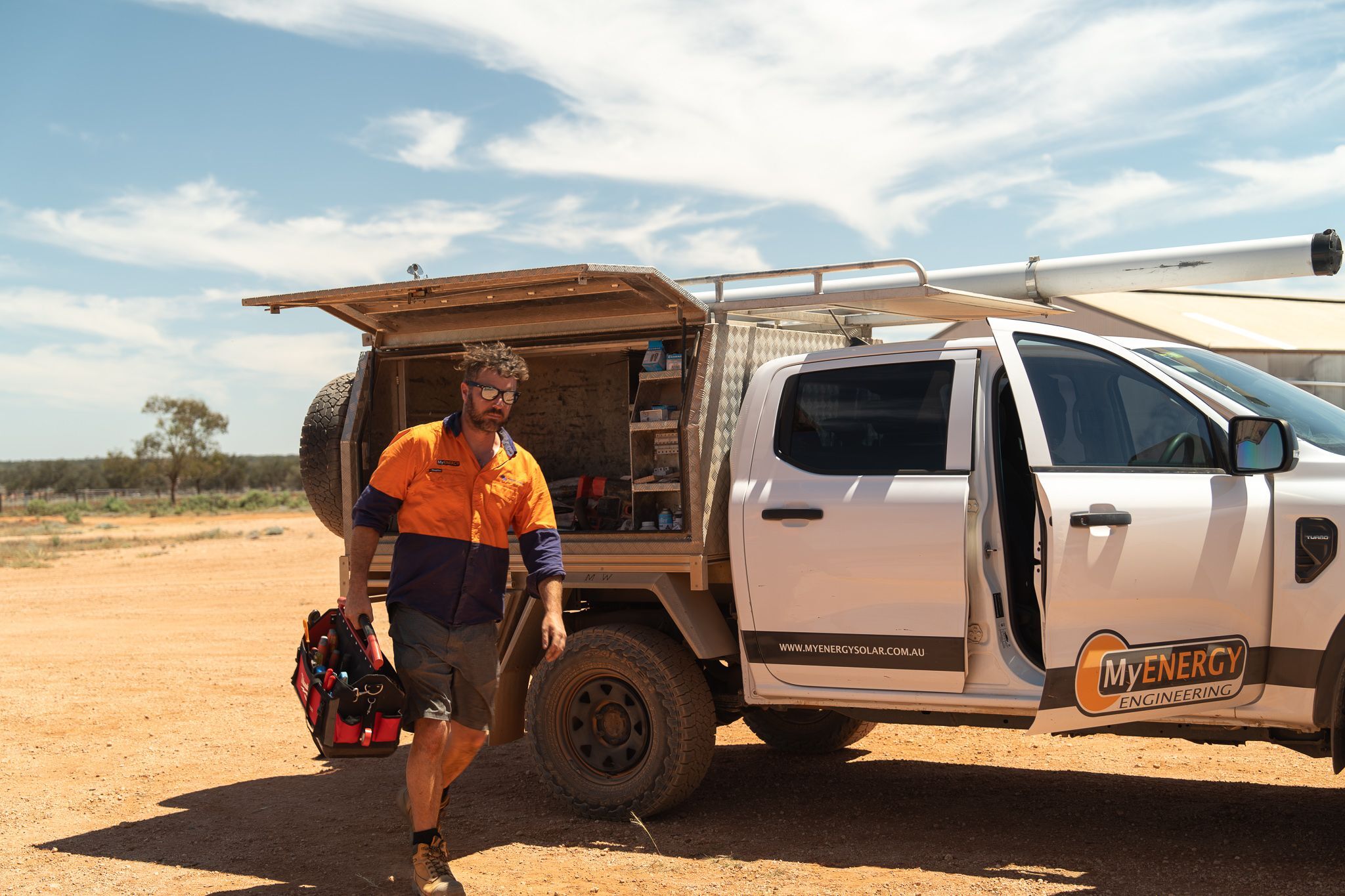
Design, supply, installation, and commissioning are handled by our in-house team. We do not subcontract installation work. That means accountability stays with the people who designed the system.
What Information Do You Need Before Starting?
If you are considering an off-grid system for a remote site, the following information helps us assess your requirements:
- Your expected daily energy use or a list of all electrical loads
- Any high-starting equipment such as pumps, compressors, or welders
- The site location and access conditions
- Whether a grid quote has already been obtained and what it indicated
- Any future plans for additional buildings, equipment, or accommodation
Once we have that information, we can put together a system option that is practical for the site and clear on what it will and will not do.
In Conclusion: Getting the Design Right From the Start
Getting power to a remote site is a significant investment regardless of the path you choose. The difference between a system that performs reliably for decades and one that causes ongoing problems comes down to the quality of the upfront design.
Loads, weather, access, generator backup, battery storage, and future expansion all need to be considered before the system is built. A well-designed off-grid system reduces generator dependence, handles real-world conditions, and keeps the site running when it matters.
Reliable power, designed for where the grid can't go.
FAQs About Getting Power to a Remote Property in Australia
How much does it cost to connect power to a remote property?
Grid connection costs vary by distance from existing infrastructure. For sites several kilometres from the nearest transformer, quotes commonly exceed $80,000 to $150,000 or more depending on the state and network provider.
At that cost level, a complete off-grid system designed by MyEnergy Engineering often represents a lower total investment with the added benefit of full power independence.
Can an off-grid system power a full-size house?
A properly designed off-grid system can support all standard household loads including air conditioning, hot water, cooking, and workshop equipment. MyEnergy Engineering sizes residential off-grid systems around actual daily use and peak demand to ensure reliable year-round performance.
How long do off-grid batteries last?
Lithium iron phosphate batteries used in off-grid systems typically have a design life of 10 to 15 years or 6,000 to 10,000 cycles depending on depth of discharge and operating conditions.
MyEnergy Engineering specifies proven lithium platforms and designs systems to manage cycling depth, which extends battery life and reduces long-term operating costs.
Do I still need a generator with solar and batteries?
For most remote sites in Australia, a backup generator is recommended. Extended periods of poor weather or unusually high demand can drain batteries faster than solar can recharge them. Generator integration ensures power availability at all times.
MyEnergy Engineering integrates generators with automatic start and stop to minimise fuel use while maintaining reliable backup.
What size solar system do I need for an off-grid property?
Solar array size depends on your daily energy requirement, location, and system losses. A typical remote home using 20 to 30 kWh per day may need 8 to 15 kW of solar PV depending on the local solar resource and battery configuration.
MyEnergy Engineering calculates array sizing based on site-specific solar data and actual load profiles rather than generic estimates.
← Back to all articles