
 Ciaram Granger
An off-grid solar system for a farm involves more than selecting panels and batteries. The system must account for water pumping loads, high-surge motor starts, seasonal demand shifts, generator backup, and future growth. Getting these factors right at the design stage is what determines whether the system keeps the site running year-round or falls short when conditions get tough.
MyEnergy Engineering has designed and installed off-grid solar power systems for agricultural sites across Australia since 2010. This article covers the key considerations that affect system performance on remote farms with demanding loads.
Key Takeaways: Off-Grid Solar for Farms
- System sizing must account for worst-case daily energy use, not average production figures alone.
- Water pumps and motors create high surge loads that require correctly rated inverters.
- Battery autonomy needs to cover extended periods of poor weather, not just overnight storage.
- Generator integration keeps the system stable during prolonged low-solar periods and peak demand.
- MyEnergy Engineering designs farm systems around how the site actually operates, not generic templates.
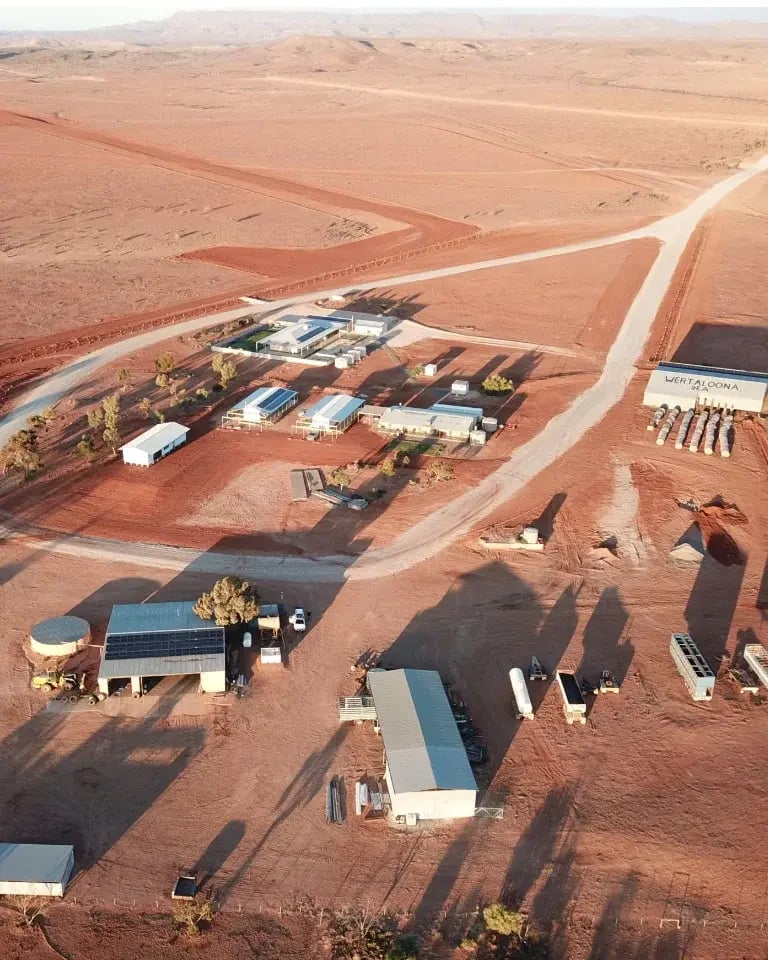
What to Know When Choosing Off-Grid Solar for Your Farm
1. Size the System Around Your Actual Load Profile
Start by documenting every load on the site, including bore pumps, refrigeration, sheds, accommodation, and workshops. Each load has a different run time, power draw, and daily operating pattern.
The system must be sized around peak daily energy use during winter months, when solar production is at its lowest. A system sized on annual averages will fall short when you need it most. This is why a detailed load audit is the first step in any off-grid design process for a farm.
2. Account for High-Surge Motor Loads
Bore pumps, compressors, and refrigeration motors draw significantly more power at startup than during normal operation. A 3kW pump motor can draw 15kW or more for the first few seconds.
Your off-grid inverter must be rated to handle these surge loads without tripping or shutting down. Undersized inverters cause micro-outages that damage equipment and interrupt daily operations. When you run multiple motors on the same circuit, the combined surge demand needs to be factored into the inverter sizing from the start.
3. Design Battery Storage for Autonomy, Not Just Capacity
Battery autonomy refers to how many days your system can run without solar input or generator support. For remote farms in Australia, designing for two to three days of battery autonomy is a practical baseline, especially in southern regions where winter cloud cover can persist for days at a time.
This means the battery bank needs to store enough energy to cover full daily loads across multiple consecutive overcast days without dropping to levels that cause premature battery degradation or force a generator start.
4. Plan for Water Pumping Demand Specifically
Water pumping is often the single largest load on a farm. Bore pumps may run for hours each day, and seasonal demand spikes during summer when stock water requirements increase.
The system design needs to account for pump run times, flow rates, tank storage capacity, and head pressure. In many cases, running pumps directly from solar during peak daylight hours reduces battery cycling and extends overall system life. Matching pump schedules to available solar output is a key part of the system design.
5. Integrate a Generator as a Backup Charging Source
A properly integrated diesel generator acts as a safety net during extended poor weather or unexpectedly high demand periods. The generator should be configured with automatic two-wire start logic so it fires up when battery state of charge drops below a set threshold.
This protects your batteries from deep discharge and keeps essential loads running without manual intervention. A well-integrated generator also reduces fuel consumption by running only when needed, rather than operating around the clock as a primary power source.
6. Factor in Seasonal Variation and Weather Patterns
Solar production varies significantly between summer and winter across most of Australia. A system that performs well in January may only produce half the energy in June. Designing for the worst month, not the best, ensures the system covers your loads year-round.
Historical solar irradiance data for your specific region should inform the array sizing and tilt angle decisions. Ground-mounted arrays can be angled for optimal winter performance, which is critical for farms that need consistent power through the cooler months.
7. Consider Future Expansion from Day One
Farms change over time. New sheds, additional bores, upgraded refrigeration, or worker accommodation can all increase power demand substantially. Designing the inverter and battery architecture to accept future additions without a complete system rebuild saves significant cost down the track.
MyEnergy Engineering designs systems with scalability built in, so expanding solar capacity, adding battery modules, or increasing inverter output is straightforward as the site grows. Planning for the next five to ten years of growth from day one avoids costly retrofits later.
8. Choose Proven Equipment for Harsh Conditions
Remote Australian farms are demanding environments for any power equipment. Dust, heat, vibration, and extreme temperature swings take a significant toll on solar and battery components over the years.
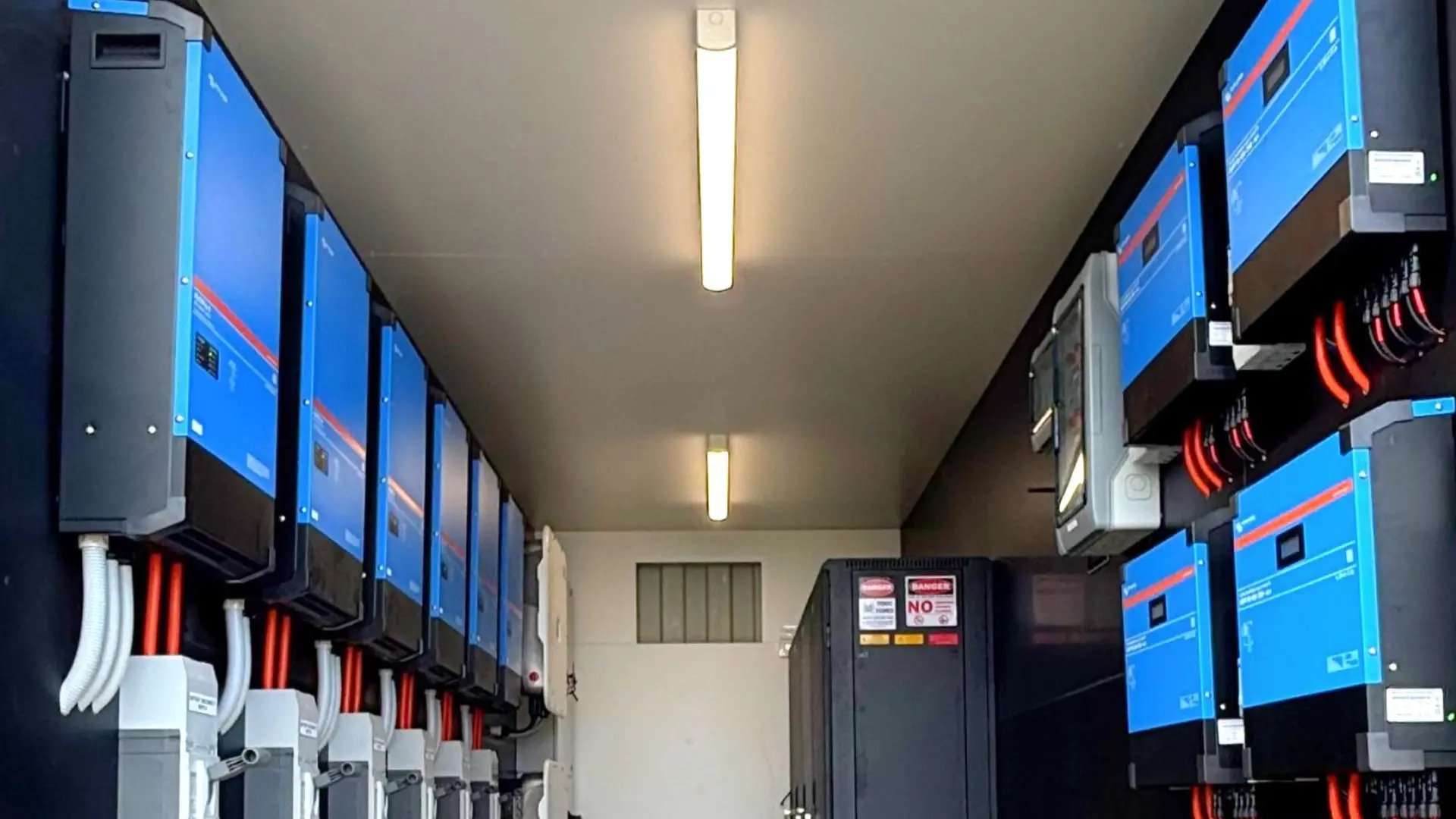
Selecting field-tested gear from brands like Victron Energy with a proven track record in off-grid applications reduces the risk of premature failure and ongoing maintenance headaches. The cheapest panels or batteries are rarely the most reliable over a ten to fifteen year operating life. Proven equipment, correctly installed and well protected, delivers consistent long-term performance.
9. Ensure the System Is Simple to Operate and Monitor
Farm operators are busy running their operations, not monitoring power systems all day. The off-grid system should not require constant manual intervention or technical knowledge to keep running reliably.
Remote monitoring allows faults to be identified early, and automatic generator integration means the system manages itself during poor weather periods. MyEnergy Engineering installs systems with remote monitoring through platforms like Victron Remote Management, so performance can be tracked from anywhere and any issues are flagged before they turn into full outages.
10. Work with a Specialist Who Understands Agricultural Loads
Agricultural loads are fundamentally different from residential loads in both scale and complexity. Pumps, motors, and refrigeration create demanding operating conditions that require specific engineering consideration when designing an off-grid power system for a working farm.
A system designed by someone who understands these loads will perform more reliably than a generic residential off-grid kit that has been scaled up. Since 2010, MyEnergy Engineering has worked on agricultural off-grid projects across Australia, from single bore pump setups through to full station power installations supporting multiple buildings.
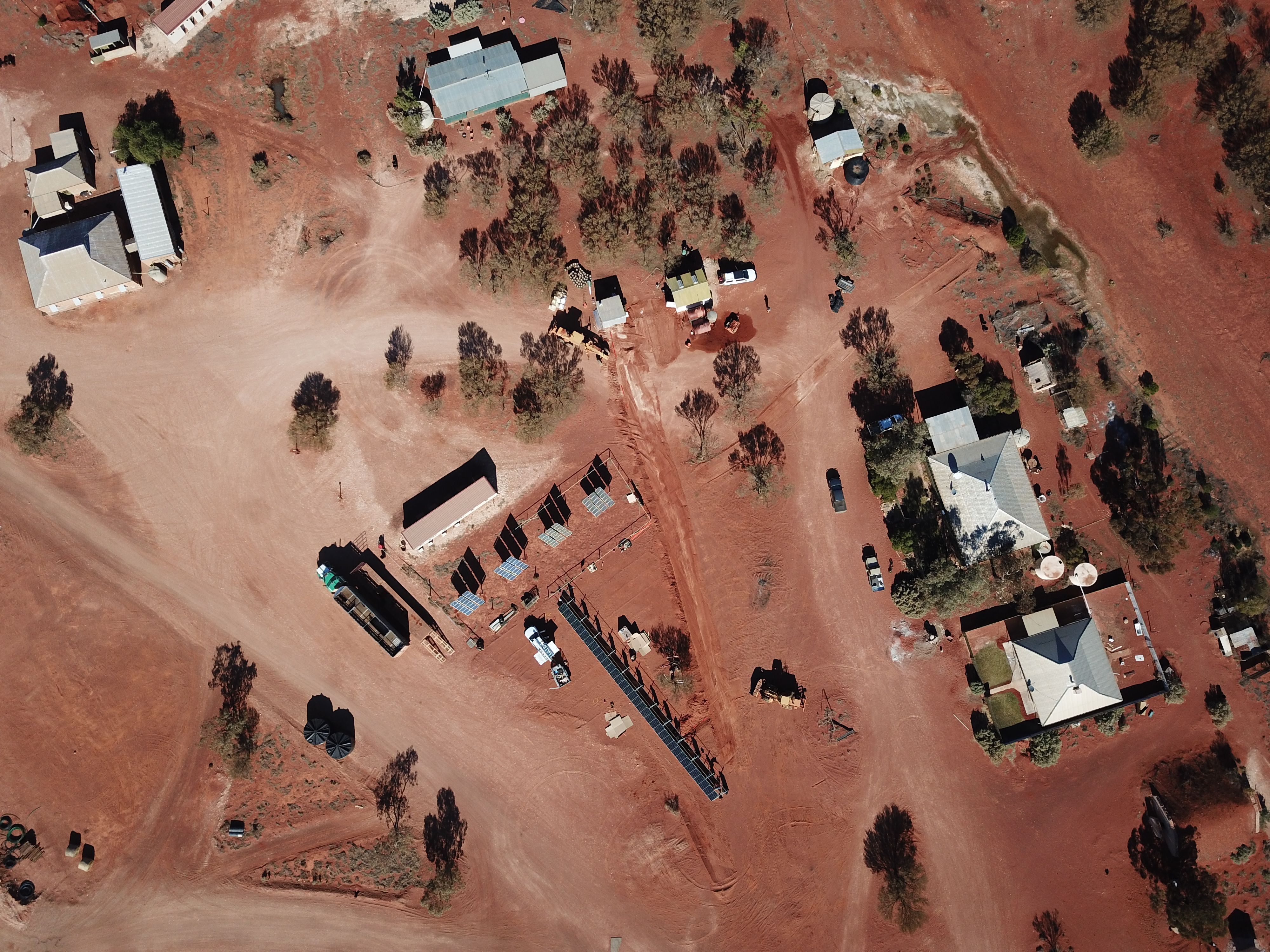
Why Proper Design Determines Long-Term Farm Power Reliability
Every farm site is different. Loads, weather patterns, access, backup requirements, and future plans all need to be considered before the system is built. The difference between a system that performs reliably for fifteen years and one that causes ongoing problems comes down to the quality of the upfront design work.
MyEnergy Engineering takes a site-specific approach to every agricultural off-grid project. We assess how the site actually uses power, size the system around real operating conditions, and select equipment that has proven itself in remote Australian environments. According to a report by the Australian Renewable Energy Agency (ARENA), off-grid systems now represent a growing share of agricultural energy infrastructure across regional Australia, reinforcing the importance of quality design for sites where grid connection is impractical.
A well-designed system reduces generator run time, extends battery life, and keeps the site operational through difficult conditions. Built for remote sites. Backed by real experience.
FAQs about Key Things to Know About Off-Grid Solar for Farms
How do I size an off-grid solar system for my farm?
Start by documenting all loads on the site, including pumps, refrigeration, and accommodation. Size the system around peak winter daily energy use to ensure year-round performance. MyEnergy Engineering assesses each site individually to determine the correct solar array, battery, and inverter sizing for your specific operating conditions.
What are high-surge loads and why do they matter?
High-surge loads occur when motors and pumps draw several times their normal operating power during startup. If the inverter cannot handle the surge, it trips and causes an outage. Correctly rated off-grid inverters from brands like Victron handle these demands reliably.
How many days of battery autonomy do I need?
For most remote Australian farms, two to three days of autonomy is a practical starting point. This gives the system enough stored energy to cover consecutive overcast days without relying entirely on the generator for backup charging.
Do I still need a diesel generator with off-grid solar?
For most farm sites, a generator is an important part of a reliable off-grid system. It acts as backup charging during extended poor weather and protects batteries from deep discharge. MyEnergy Engineering integrates generators with automatic start logic for hands-free operation.
Can I expand my off-grid system later?
Yes, provided the system is designed with future expansion in mind from the start. MyEnergy Engineering designs systems with scalable inverter and battery architectures that allow additional capacity to be added as your farm's power requirements grow over time.
How does solar pumping reduce battery wear on farm systems?
Running bore pumps directly from solar during daylight hours reduces the amount of energy cycled through the batteries each day. This lowers battery wear and extends the overall life of the storage system. MyEnergy designs pump scheduling around peak solar hours to maximise this benefit on agricultural sites.
← Back to all articles