
 Ciaram Granger
When designing solar and battery systems, flexibility and reliability matter just as much as performance. Whether it’s a residential property, farm, commercial building or edge-of-grid site, the system needs to adapt to changing energy needs while working with existing infrastructure.
Deye hybrid inverter and battery systems have become a strong option in this space. With growing adoption across Australia and strong global market share in hybrid storage systems, Deye offers a flexible platform that can integrate with a wide range of technologies and site conditions.
At MyEnergy, we’ve installed Deye across residential, agricultural and commercial projects where reliability and scalability are critical.
Before diving into the technology, here are ten key reasons why Deye hybrid systems have gained traction around the world.
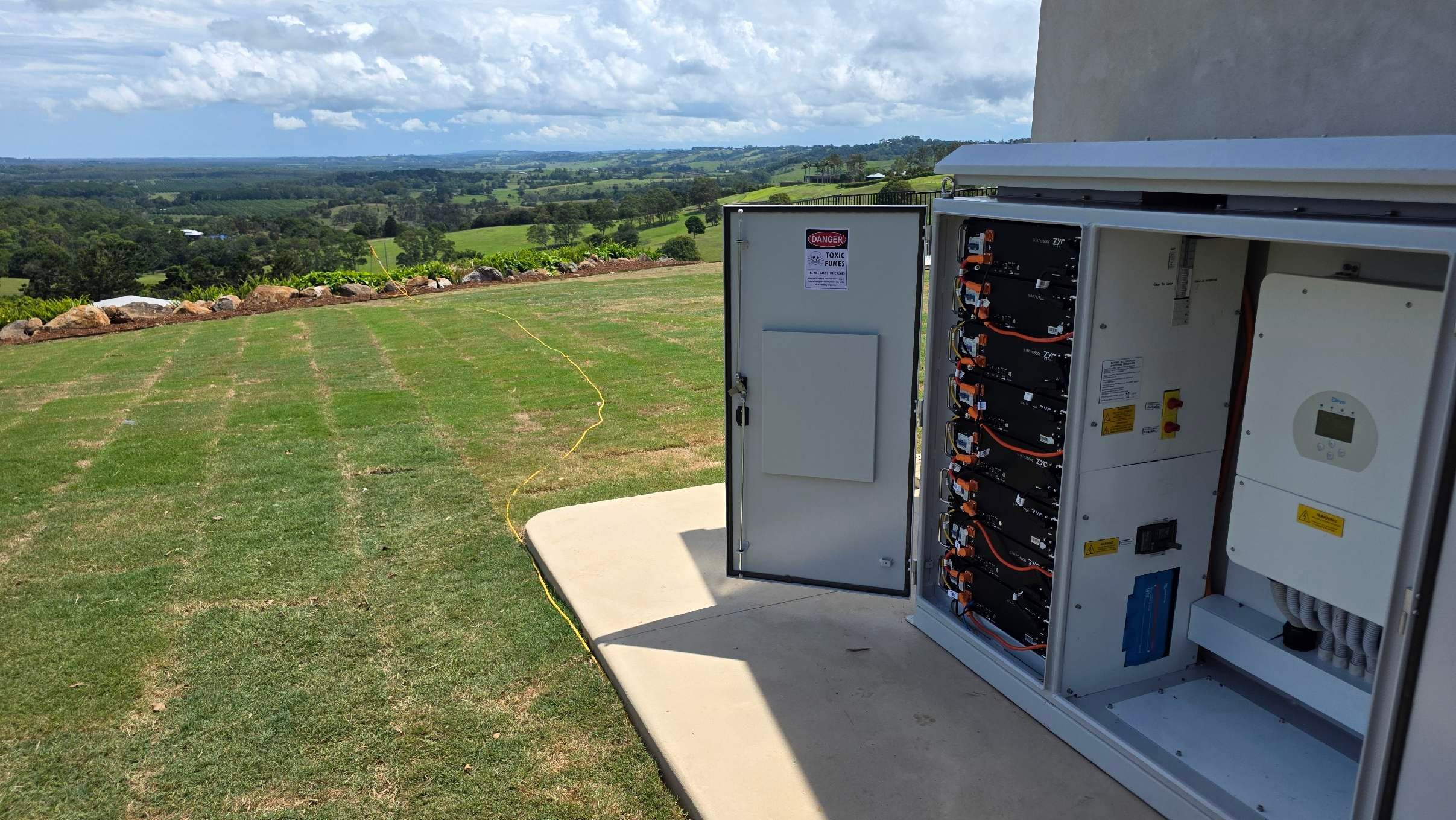
10 Reasons Deye Hybrid Systems Are Gaining Popularity
1. Hybrid Flexibility (On-Grid or Off-Grid)
Deye systems can operate grid-connected, in weak-grid environments, or fully off-grid with generator support, making them adaptable across many applications.
2. Not a Locked Ecosystem
Deye is not tied to a single battery manufacturer. The platform supports a wide range of lithium battery brands using common communication protocols.
3. Integration with Existing Solar Systems
Through AC coupling, Deye allows battery storage to be added to existing PV systems without replacing the original solar inverter.
4. Broad Product Range
The Deye lineup includes low-voltage hybrid inverters, high-voltage three-phase hybrid systems and all-in-one storage units, covering residential through to commercial applications.
5. Scalable System Design
Battery storage and inverter capacity can be expanded over time, allowing systems to grow as energy requirements increase.
6. Proven in Challenging Grid Environments
Deye has gained strong adoption in markets with unstable grids such as South Africa and Southeast Asia, demonstrating reliability in demanding conditions.
7. Generator Integration
Hybrid systems can integrate directly with diesel generators, allowing batteries to charge from generator power when solar production is limited.
8. Straightforward Configuration and Monitoring
System setup and commissioning are relatively simple, with clear monitoring platforms that allow users to track energy production and storage performance.
9. Strong Value-to-Capability Ratio
Deye offers hybrid solar and battery functionality at a competitive price point compared with many premium inverter platforms.
10. Established Global Manufacturer
With inverter manufacturing dating back to 2007 and installations worldwide, Deye is now a well-established player in the solar hybrid inverter and battery storage market.
Who Is Deye?
Deye is part of the Ningbo Deye Technology group and has been manufacturing inverters since 2007. Over the past decade, the company has grown into one of the more widely deployed hybrid inverter manufacturers globally.
Deye systems are now installed across:
- South Africa
- Southeast Asia
- Europe
- The Middle East
- Australia
In regions like South Africa, deye has 30% market share, in a market where load shedding has become a long-term reality, hybrid inverters quickly became essential infrastructure. Deye gained significant share in that market because their systems could handle unstable grids, integrate battery storage and provide reliable backup power.
In Australia, Deye has moved beyond the “new brand” category. The platform is now widely distributed, compliant with local standards and familiar to installers.
Not a Locked Ecosystem
One of the biggest advantages of Deye hybrid systems is flexibility.
Unlike some brands that require proprietary batteries and closed hardware stacks, Deye systems:
- Integrate with a wide range of lithium battery manufacturers
- Support both low-voltage and high-voltage battery platforms
- Allow AC coupling with existing solar inverters
- Integrate with backup generators
- Operate in both grid-connected and off-grid configurations
For Australian properties that already have solar installed, this is important.
Instead of replacing working equipment, we can often:
- Keep the existing PV inverter
- Add a Deye hybrid inverter
- Install battery storage
- Configure backup circuits
That approach protects the client’s previous investment.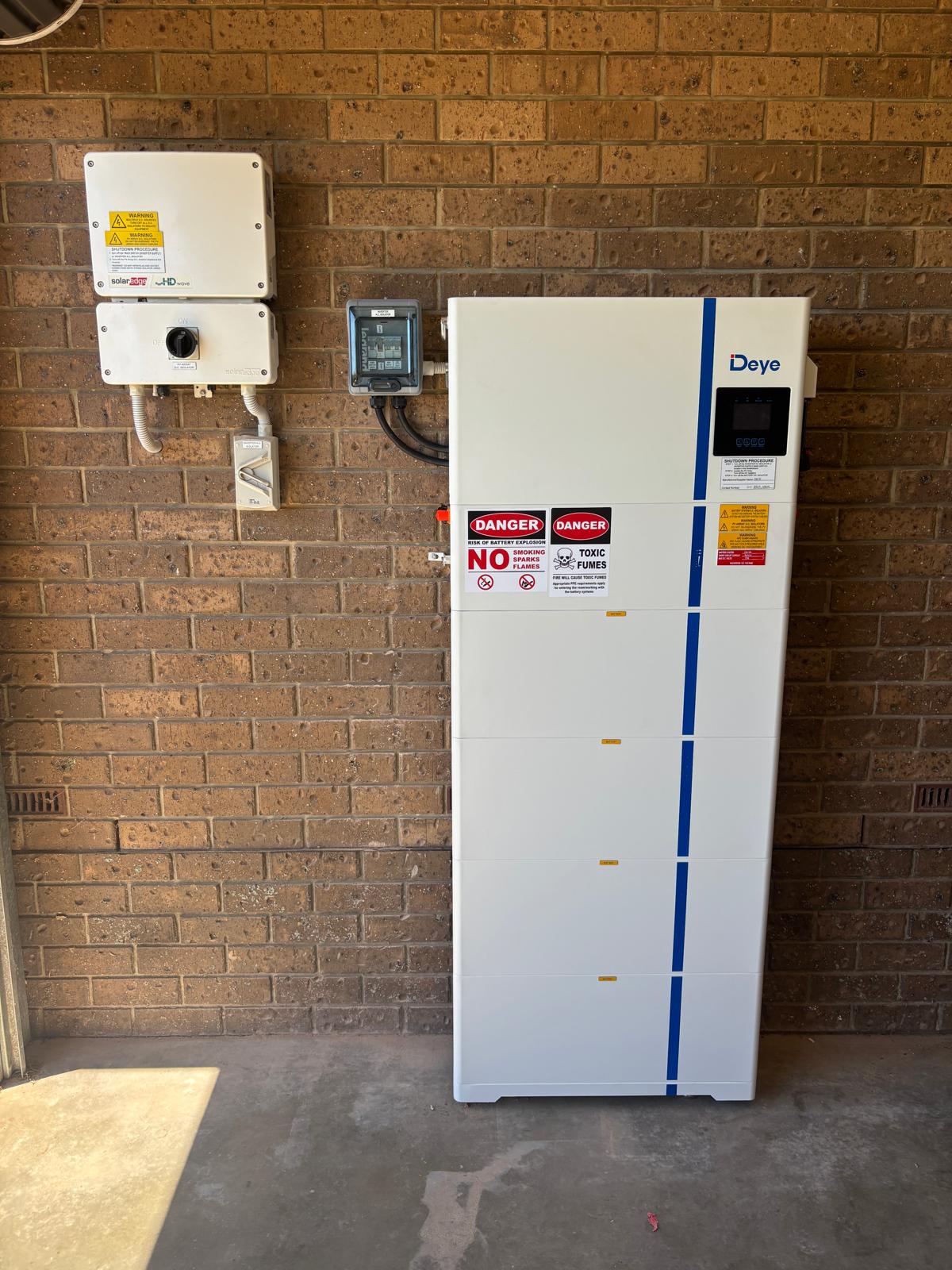
The Deye Hybrid Range
Deye offers several hybrid platforms designed for different installation scenarios.
Hybrid Low-Voltage Inverters
Low-voltage hybrid inverters use 48V lithium battery systems and are commonly installed in:
- Residential homes
- Rural properties
- Small farms
These systems combine solar, battery and grid interaction in one inverter and allow batteries to charge from solar, grid or generator supply.
Because 48V battery architecture is widely used, it offers compatibility with a large range of lithium battery brands.
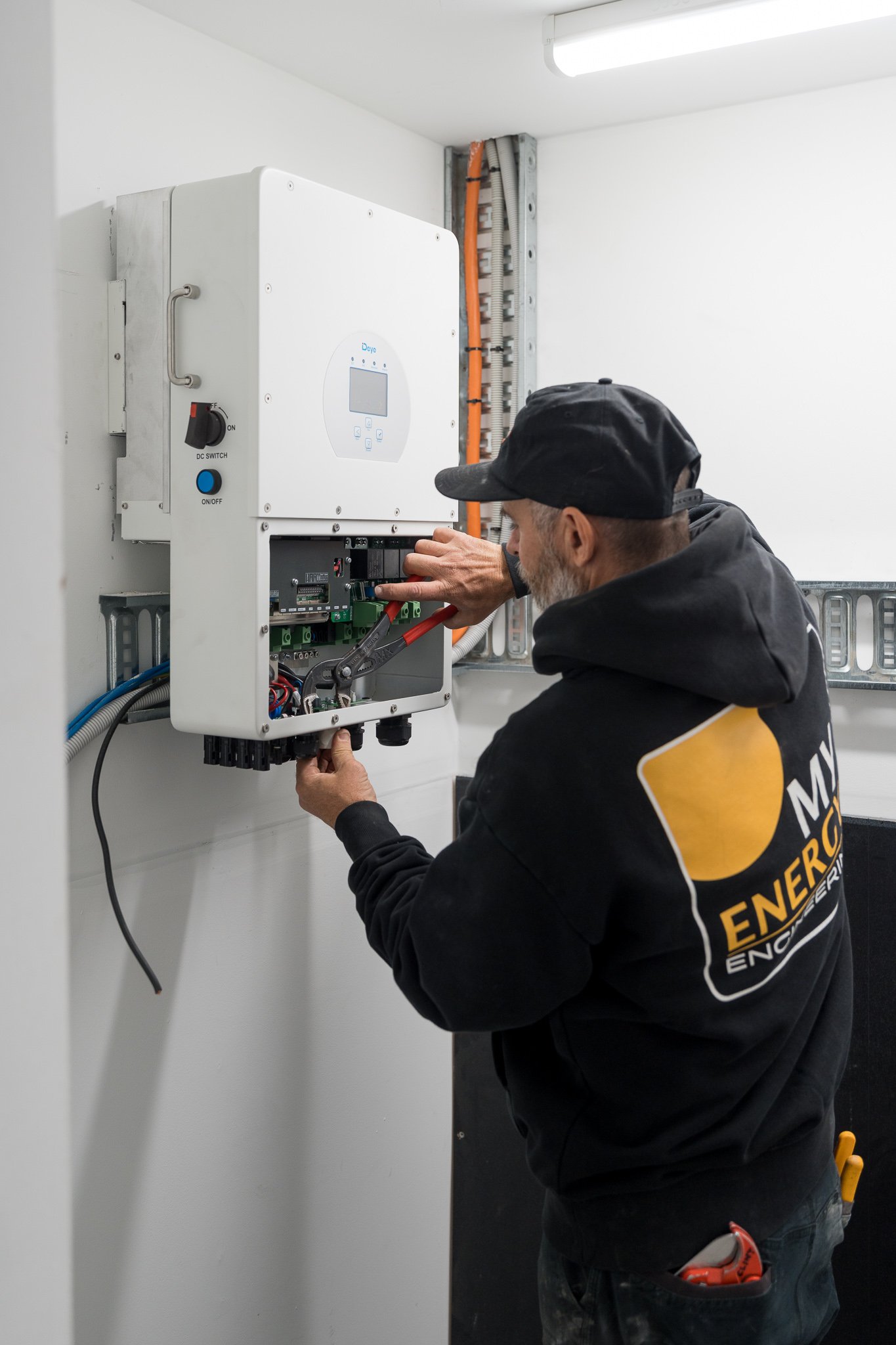
Hybrid High-Voltage Three-Phase Inverters
For larger applications, Deye offers high-voltage three-phase hybrid systems.
These are commonly used in:
- Farms and agricultural operations
- Workshops and machinery sheds
- Tourism facilities
- Commercial buildings
High-voltage battery architecture allows modular battery expansion while maintaining efficient power conversion.
These systems can also integrate generator charging and support AC coupling of existing solar arrays.
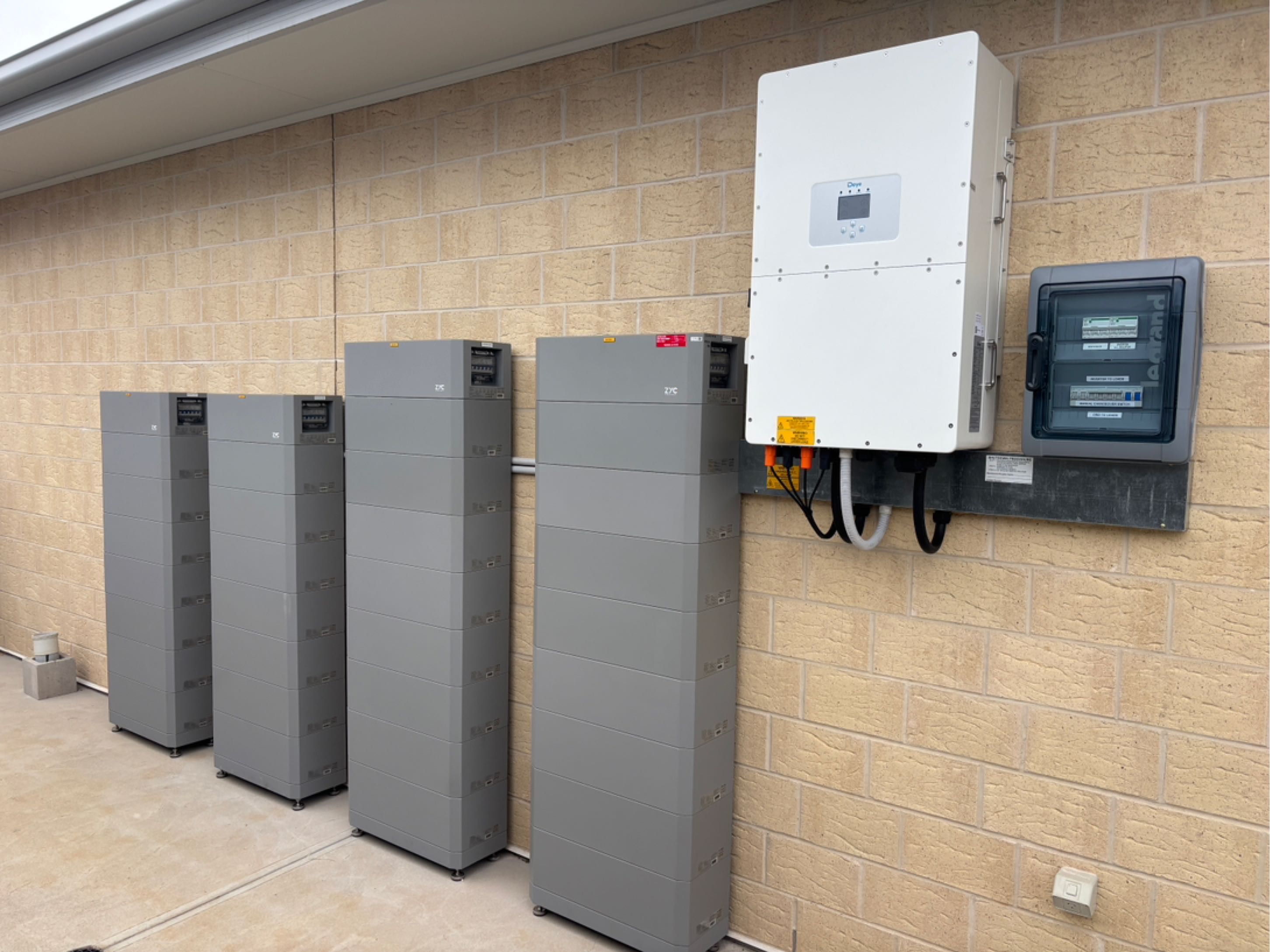
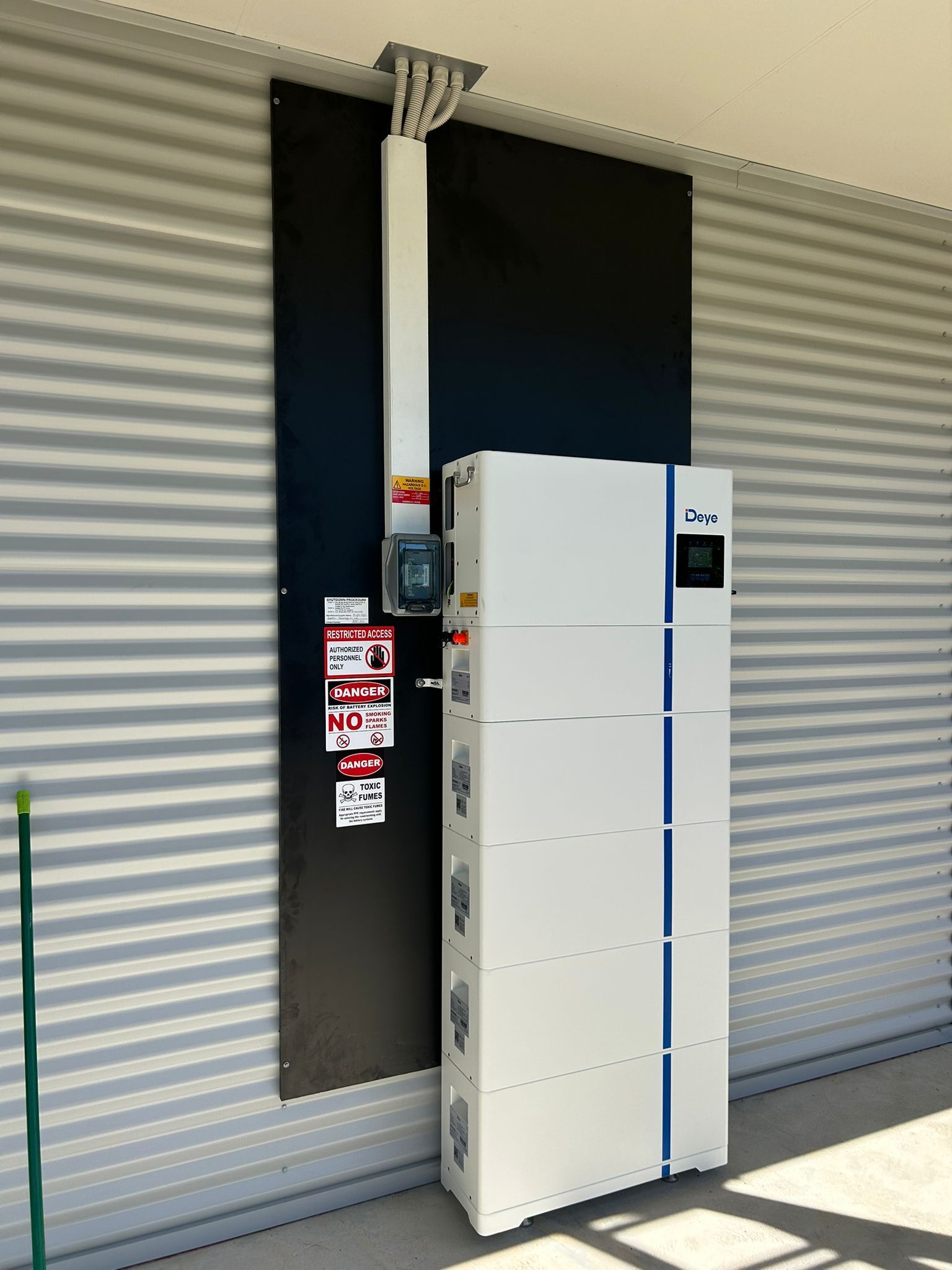
Deye All-in-One Systems
Deye also offers all-in-one battery systems that combine:
- Hybrid inverter
- Lithium battery storage
- Integrated control and monitoring
These units are designed for installations where a compact footprint and simplified installation are beneficial.
For residential installations or small commercial sites, this integrated design can reduce installation time and system complexity.
Designed for Challenging Grids
Many of the regions where Deye gained market share have unreliable power infrastructure.
Those same conditions can exist in parts of regional Australia, where properties may experience:
- Voltage fluctuations
- SWER supply limitations
- Export restrictions
- Power outages
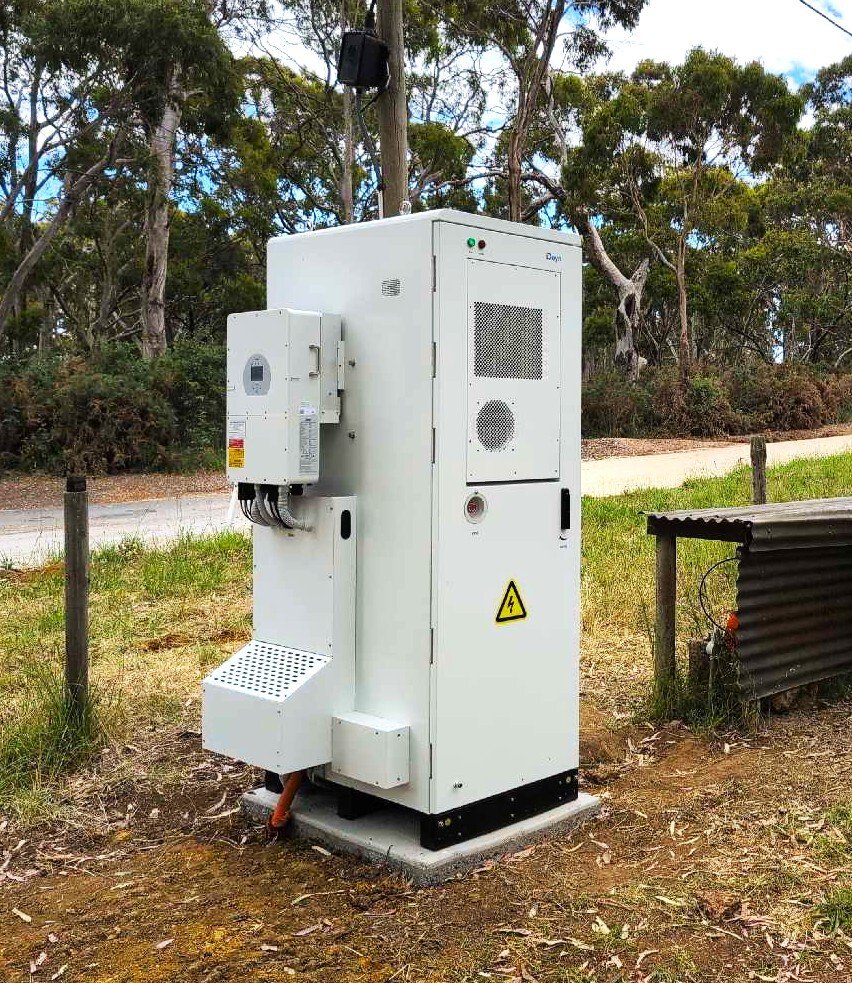
Hybrid systems like Deye allow properties to maintain power supply through battery storage and backup control.
The ability to integrate solar, battery, grid and generator supply within a single platform makes the system adaptable to changing conditions.
MyEnergy Experience with Deye Systems
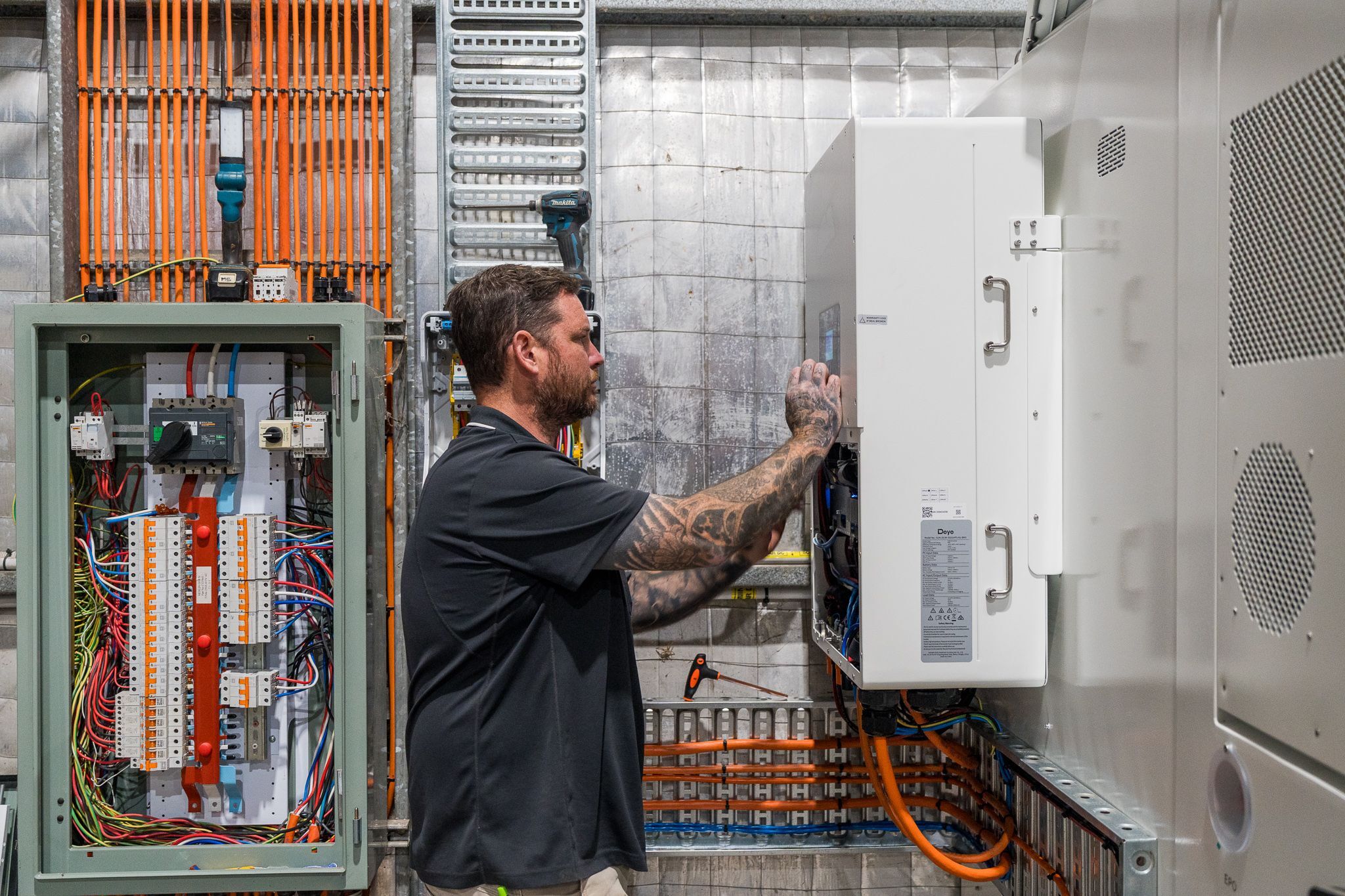
At MyEnergy, we’ve installed Deye systems across a range of projects including:
- Rural farms
- Three-phase agricultural sheds
- Residential solar battery retrofits
- Staged builds where systems will expand over time
From our field experience, the platform has proven to be robust and practical.
The hardware is well suited to outdoor installations, commissioning is straightforward and the flexibility of the system architecture allows us to design systems that can evolve with the property.
For agricultural and commercial clients where capital cost matters, Deye also provides hybrid capability without pushing the system cost into premium pricing territory.
Why Deye Is Growing in Australia
The rapid growth of hybrid solar and battery systems is being driven by a few key factors:
- Rising electricity costs
- Export limitations
- Grid instability
- Growing interest in energy resilience
Deye hybrid systems address many of these challenges by allowing properties to generate, store and control their own power supply.
Their flexible architecture, battery compatibility and ability to integrate with existing solar systems have helped them gain traction globally and in Australia.
Is a Deye System Right for Your Property?
Deye hybrid systems are particularly well suited to:
- Residential solar battery systems
- Rural and agricultural properties
- Three-phase workshops and farms
- Commercial buildings looking to add storage
- Sites that already have solar installed
At MyEnergy, we design each system around the property’s energy use, future expansion plans and grid conditions.
If you’re considering a solar and battery system, we can help determine whether a Deye hybrid platform is the right fit for your installation.
← Back to all articles