

 Ciaram Granger
.
Ciaram Granger
.
. 4 min read
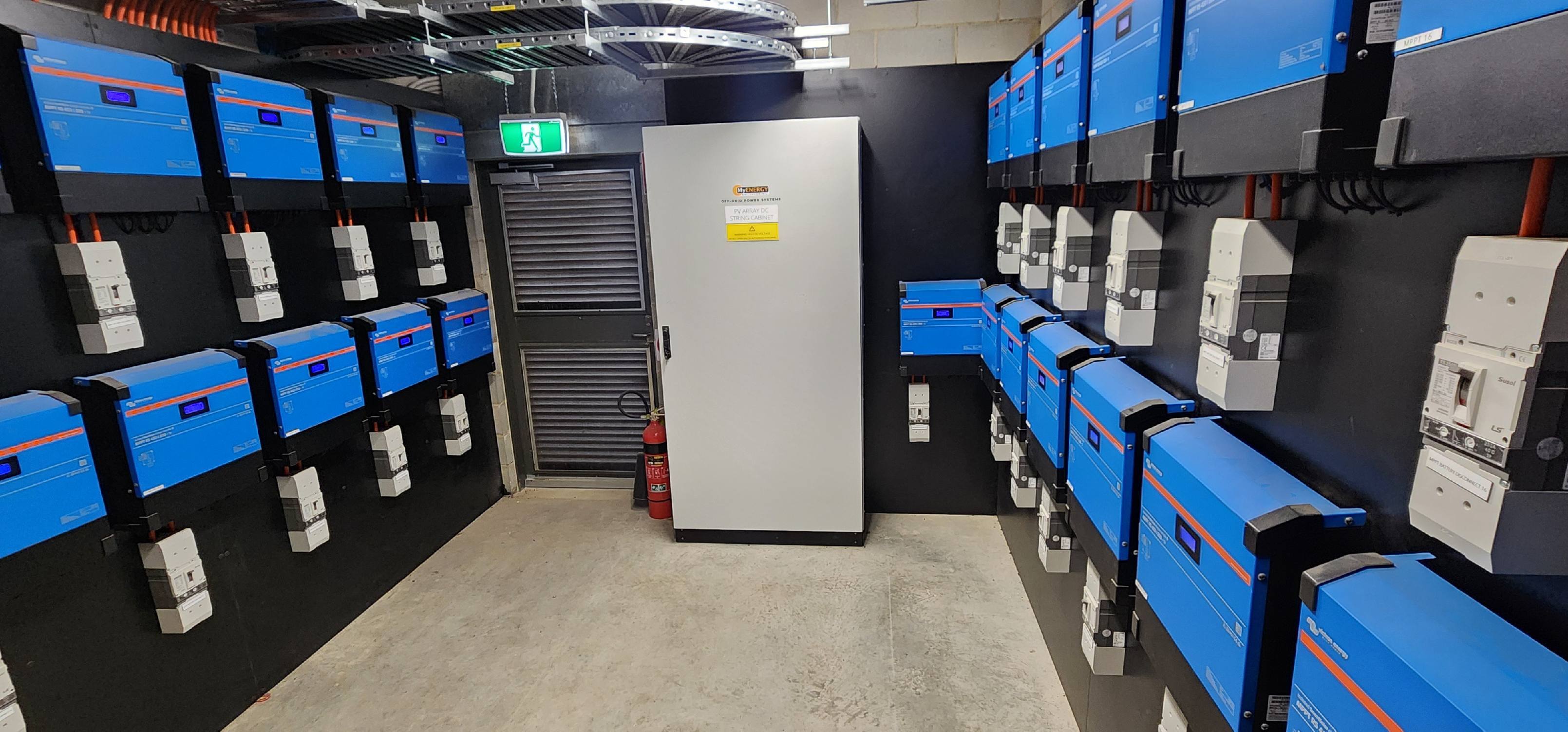
Over the past 15 years, I've had the opportunity to work on power projects ranging from remote cattle stations in outback Australia through to island resorts and community power systems throughout the South Pacific.
One thing these projects often have in common is that reliable grid power either doesn't exist or can't always be relied upon.
For many people, electricity simply comes from a power point in the wall. What happens behind the scenes is rarely considered until the power goes out. The reality is that delivering electricity across vast distances requires an enormous amount of infrastructure, including power stations, substations, transmission lines, distribution networks and ongoing maintenance.
In many parts of Australia and the Pacific, building and maintaining this infrastructure can be expensive, difficult and sometimes impractical.
This is where microgrids come into the conversation.
Microgrids are not a new concept, but they are becoming an increasingly important part of how communities, businesses, mines, farms and remote facilities generate and manage power. With advances in solar generation, battery storage and control systems, microgrids are now providing reliable power in locations where traditional grid infrastructure is either unavailable, vulnerable or prohibitively expensive.
What is a Microgrid?
A microgrid is a local electricity network that generates, stores and distributes power within a defined area.
Rather than relying entirely on electricity generated hundreds of kilometres away, a microgrid produces and manages power close to where it is consumed.
Think of it as a miniature version of the national electricity network.
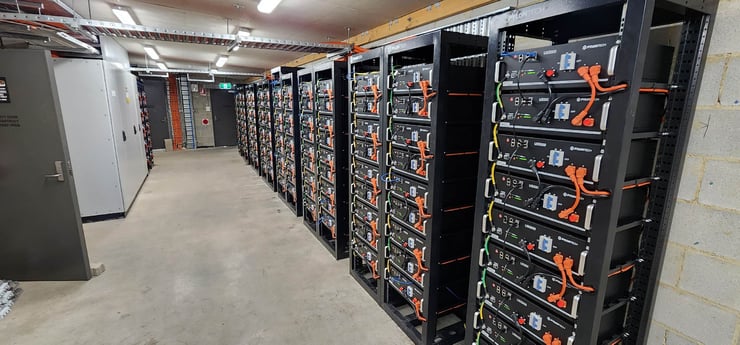
Just like the larger grid, a microgrid contains generation sources, energy storage, network infrastructure and control systems. The difference is that everything is localised and designed specifically around the requirements of the community, facility or business it serves.
A modern microgrid may include:
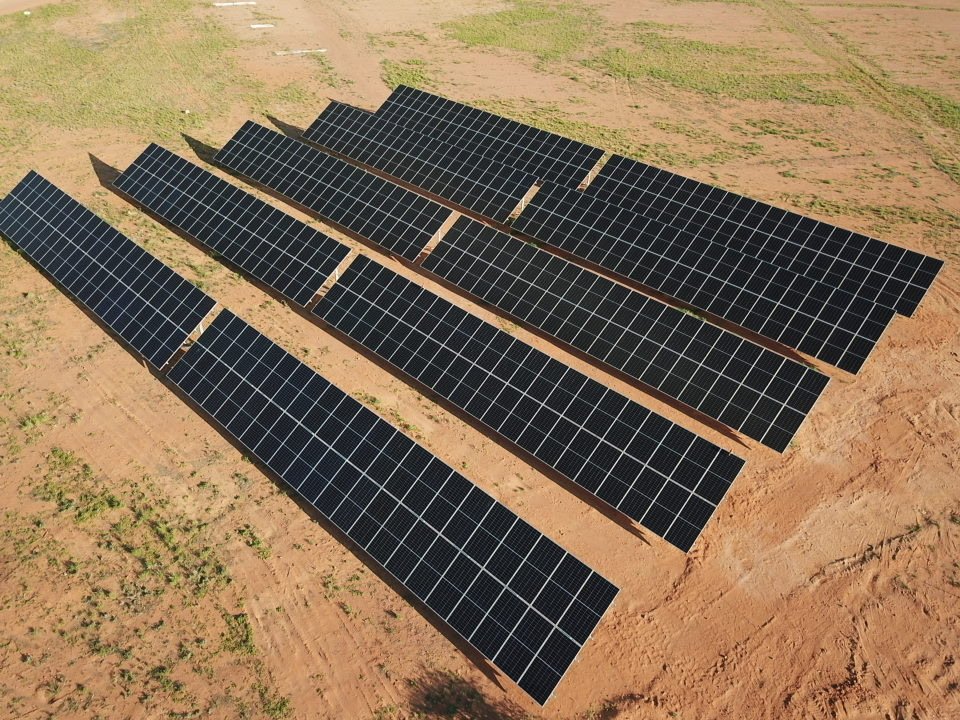
- Solar power generation
- Battery energy storage systems
- Diesel or gas generators
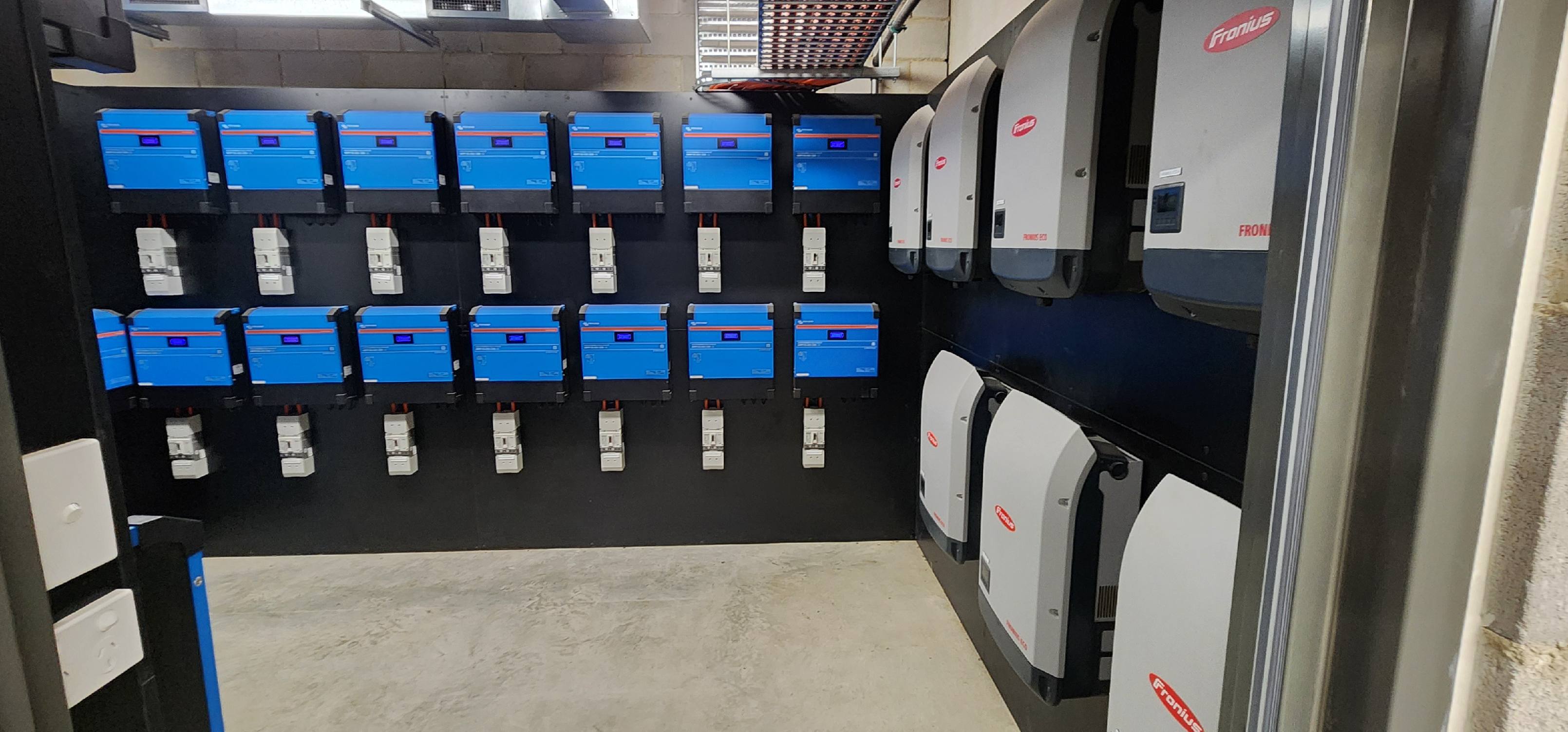
- Inverter systems
- Energy management and control platforms
- Distribution infrastructure
- Remote monitoring systems
These technologies work together to create a stable and reliable power network capable of operating independently or alongside a traditional electricity grid.
Why Were Microgrids Developed?
To understand the value of a microgrid, it helps to understand the challenge of traditional electricity infrastructure.
Australia has one of the largest electricity networks in the world. Thousands of kilometres of transmission and distribution lines connect generators to homes and businesses across the country.
While this works effectively in densely populated regions, it becomes increasingly expensive as distances increase and customer density decreases.
In remote areas, a single transmission line may travel hundreds of kilometres to service a relatively small number of customers. Building, maintaining and repairing this infrastructure comes at a significant cost.
In some cases, we've seen proposed grid connections costing hundreds of thousands, or even millions of dollars before a customer consumes their first unit of electricity.
For many remote developments, it simply makes more sense to generate power locally.
This is one of the primary drivers behind the growth of microgrids globally.
How Does a Microgrid Work?
At its simplest level, a microgrid balances energy production and consumption within a local network.
During daylight hours, solar panels generate electricity which is used to power loads and charge batteries.
As solar production decreases later in the day, batteries take over and continue supplying energy.
If extended periods of poor weather occur or demand exceeds available generation, backup generators can automatically start to support the system.
Advanced control systems continuously manage the flow of energy between generation sources, storage systems and connected loads.
The result is a power system capable of delivering stable electricity 24 hours a day while maximising the use of locally generated energy.
The Role of Microgrids in Energy Resilience
One of the biggest advantages of a microgrid is resilience.
Traditional electricity networks rely heavily on transmission and distribution infrastructure. When this infrastructure is damaged, large areas can lose power.
Across Australia we've seen bushfires, storms and flooding events impact electricity networks. Throughout the Pacific, cyclones regularly damage power infrastructure and disrupt fuel supply chains.
A microgrid reduces this reliance on long-distance infrastructure by generating power closer to where it is used.
Because power generation and storage are located within the local network, a microgrid can often continue operating even when the wider electricity grid is unavailable.
This capability is particularly valuable for:
- Remote communities
- Agricultural operations
- Mining sites
- Airports and ports
- Telecommunications infrastructure
- Water treatment facilities
- Tourism developments
- Critical services and emergency facilities
In many situations, the value of maintaining power during a disruption far exceeds the value of the electricity itself.
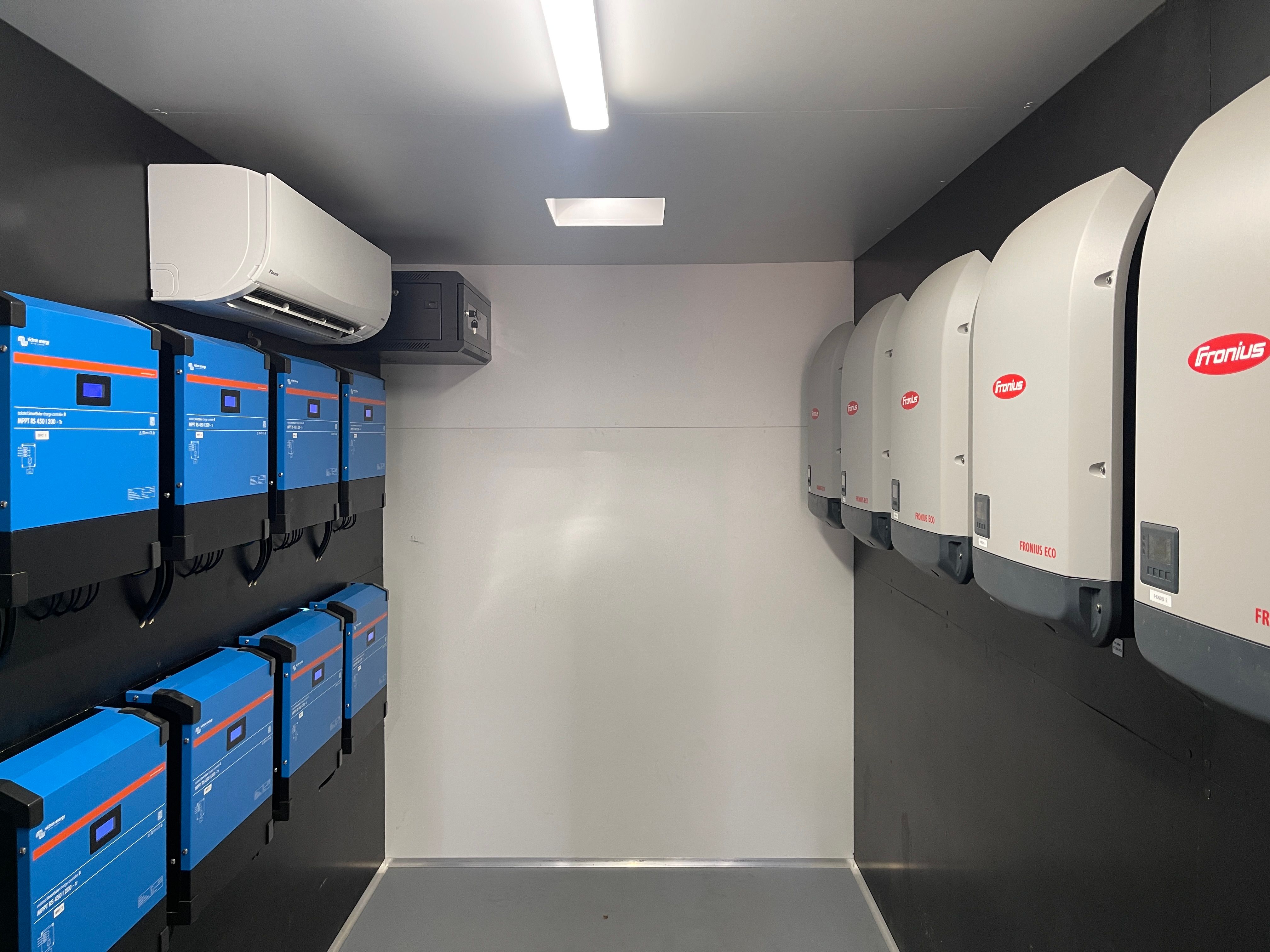
Why Microgrids Make Sense for Island Nations
Having worked extensively throughout the South Pacific, I've seen firsthand the challenges faced by island communities and businesses.
Many islands still rely heavily on diesel generation, with fuel needing to be imported and transported significant distances before it can be used.
Not only does this create substantial operating costs, but it also introduces risk. Weather events, shipping delays and supply chain disruptions can all affect fuel availability.
Microgrids provide an opportunity to significantly reduce this dependence by integrating solar generation and battery storage while retaining generators as backup.
The result is often lower operating costs, reduced fuel consumption and improved reliability.
For island communities where energy security is critical, this can have a significant impact on both economic development and quality of life.
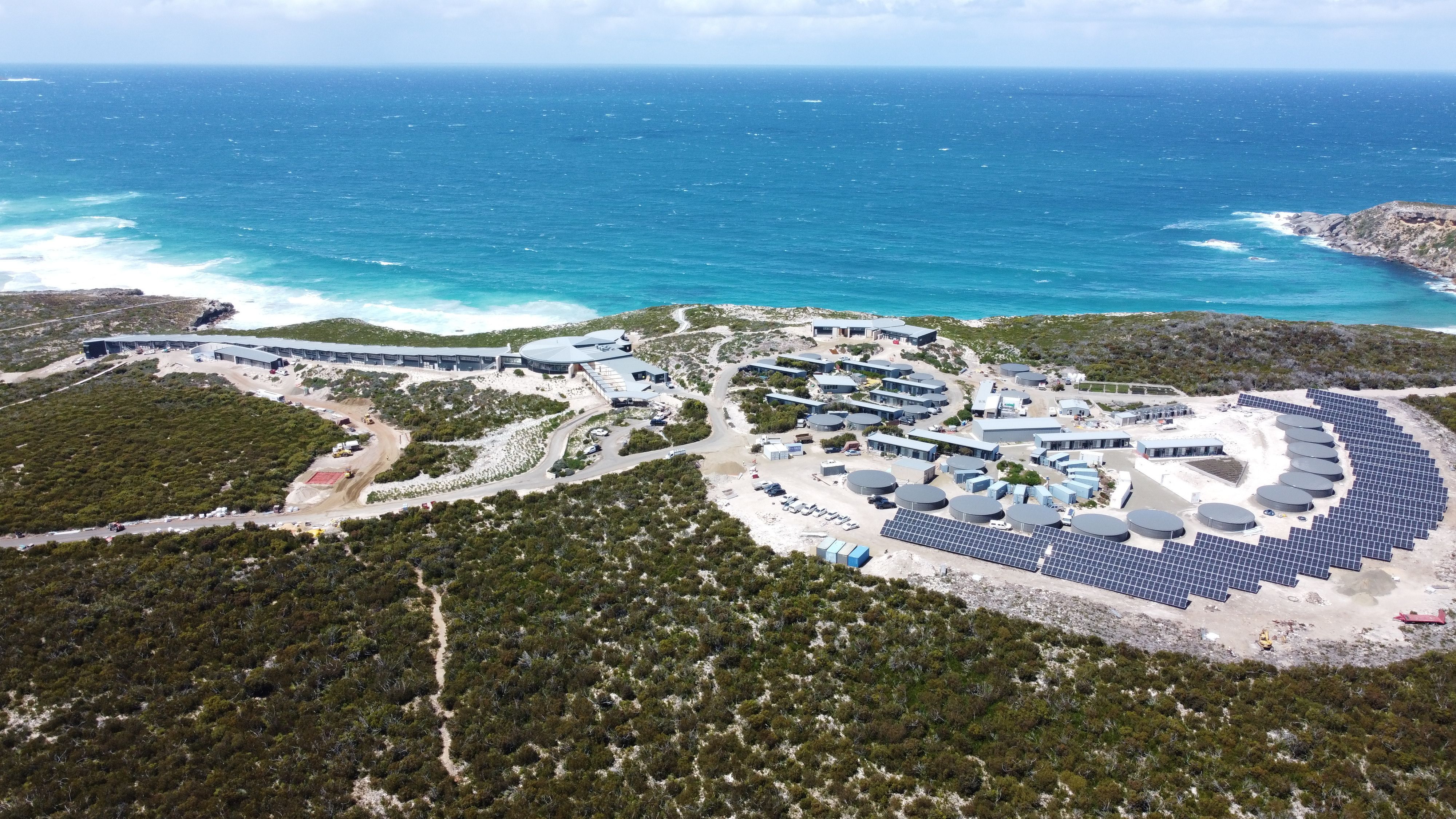
Microgrids and the Future of Power
Around the world, the energy industry is shifting towards more distributed generation.
Rather than relying solely on large centralised power stations, electricity is increasingly being generated closer to where it is consumed.
Microgrids are a natural extension of this trend.
Advancements in battery technology, solar generation, monitoring systems and power electronics are making microgrids more capable and more commercially attractive than ever before.
For many applications, particularly in regional and remote locations, they represent a practical alternative to traditional network expansion.
MyEnergy's Experience with Microgrids
At MyEnergy, we've spent more than a decade designing and delivering remote power systems throughout Australia and the South Pacific.
While not every project is classified as a microgrid, many incorporate the same core principles: local generation, battery storage, generator integration, intelligent controls and reliable power delivery.
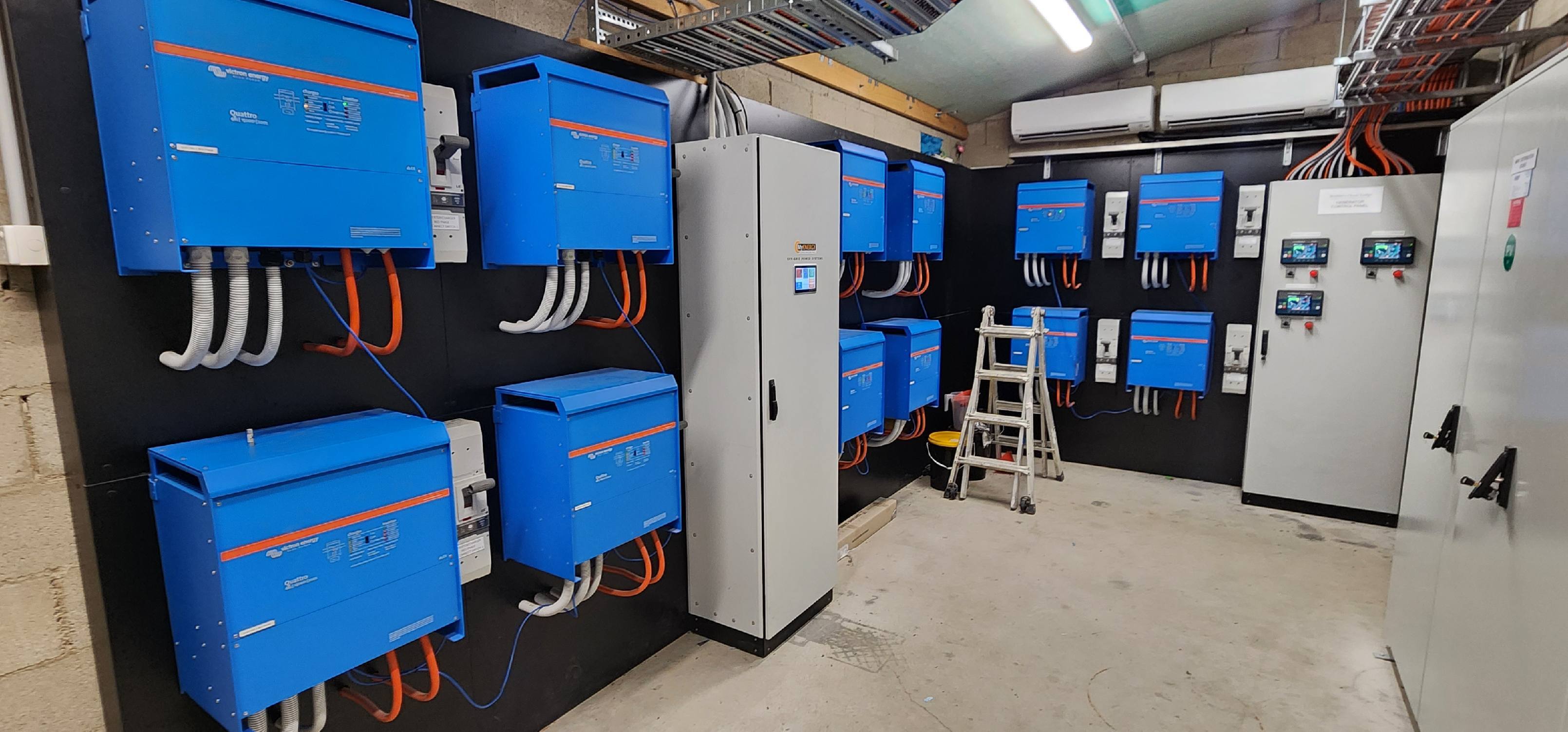
As Director of MyEnergy Engineering, I remain actively involved in the design and engineering of these systems. Every site presents its own challenges, whether it's a remote station, tourism development, island community, mining operation or commercial facility.
The common goal is always the same: delivering reliable power where the grid can't reach, where the grid isn't reliable enough, or where building traditional network infrastructure simply doesn't make economic sense.
As energy demands continue to grow and infrastructure costs increase, microgrids will play an increasingly important role in how we power remote communities, businesses and critical facilities throughout Australia and beyond.
By Ciaram Granger, Director, MyEnergy Engineering