

 MyEnergy Engineering
.
MyEnergy Engineering
.
. 3 min read
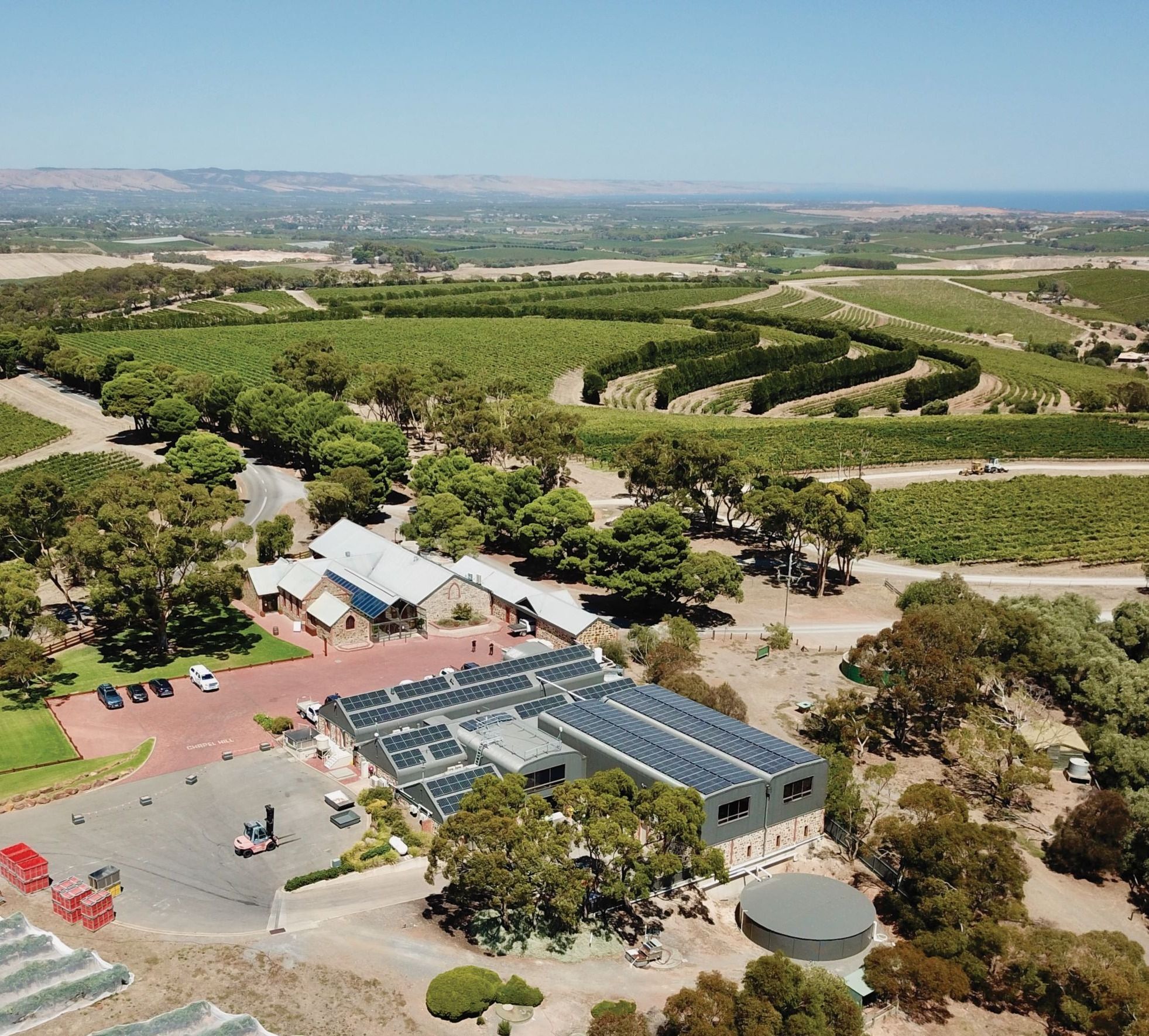
Chapel Hill Winery in McLaren Vale partnered with MyEnergy Engineering in 2021 to reduce energy costs and emissions without impacting the heritage character of the site. We delivered a 148kW solar installation across multiple buildings, designed to sit quietly within the winery while supporting its long-term power needs. The project went on to receive a Sustainability Impact Award at the Wine Industry Impact Awards.
In this article, we catch up with Sam Lungershausen, Senior Sustainability Specialist, from the Chapel Hill team to see how the system is performing today and where they’re at on their path toward 100% renewable electricity.
What motivated Chapel Hill Winery to make the shift to solar in 2021?
Chapel Hill Winery is proud of its commitment to sustainable winemaking practices. The shift to solar was a key decarbonisation project to reduce the site's scope 2 emissions, aligning with our net zero emissions by 2050 and 100% renewable energy by 2030 commitments.
How is Chapel Hill using innovation to strengthen its sustainability practices across the vineyard and winery?
Sustainable winemaking inherently focuses on minimising our viticulture and winemaking impact to the environment. The more efficient and streamlined our processes are, the less resources consumed, resulting in a more sustainable product. From grape to bottle, the Chapel Hill team adopts a minimal intervention method to winemaking, where practices are intentional, targeted and effective.
How has the solar system impacted your daily operations and energy use over the past few years?
The best part about solar is that there is no impact to daily business operations. The panels often go unnoticed, except from a keen observer. With ever increasing energy costs, reducing our draw from the grid has supported the site with a decrease in operational costs.
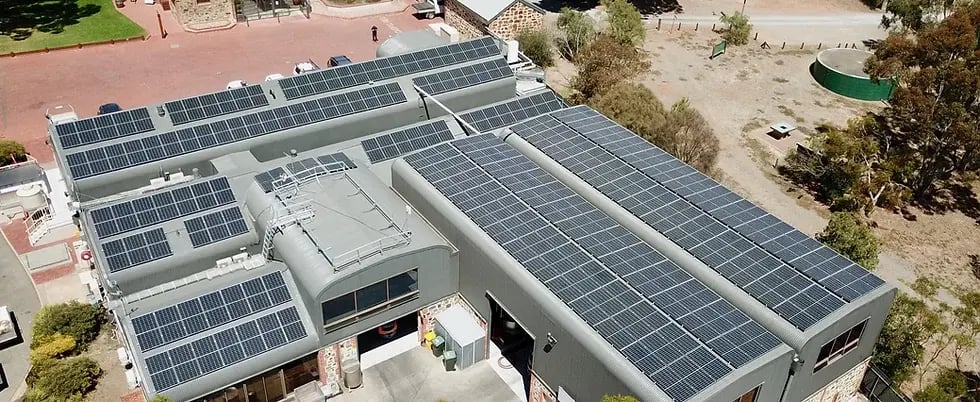
With a 55% reduction in Scope 2 emissions since the MyEnergy installation, how has this achievement contributed to planning your future sustainability goals?
Chapel Hill has set the following sustainability aims:
-
Adopt energy and water saving processes where possible.
-
Conserve, enhance and protect biodiversity areas on the property using local indigenous species.
-
Continually review and improve waste management processes.
-
Commit to maintain and promote best practice for biosecurity.
-
Continue to support our team members to build and maintain partnerships and initiatives that strengthen our environment and community.
Winning the Sustainability Impact Award in 2023 was a major acknowledgement. What did that recognition mean to your team?
 Winning the Sustainability Impact Award was ultimately a product of the Chapel Hill team's motivation to be the best they can in all areas of operation from safety & sustainability, through to delivering a quality, high end product for our customers. In our pursuit for continuous improvement, winning an award is always a great opportunity to be introspective and recognise our internal sustainability champions who drive change as part of their business as usual approach.
Chapel Hill set a goal to be 100% renewable electricity by 2030, where are you at with that goal today?
Chapel Hill is on track to achieve 100% renewable electricity by 2030. With the significant reduction in scope 2 emissions from self generated electricity on-site, the business will then procure green electricity to off-set remaining grid consumption.
It’s been great to revisit this project a few years on and see it performing exactly as intended. The system continues to deliver reliable results, supporting reduced energy costs and lower emissions, all while operating quietly in the background. Most importantly, it remains aligned with Chapel Hill’s long-term goals, reinforcing that the investment made back in 2021 is still delivering value and keeping them on track for 100% renewable electricity by 2030.
You can find out more about our Award Winning Chapel Hill Winery project here: