

 Ciaram Granger
.
Ciaram Granger
.
. 4 min read
At MyEnergy Engineering, we’ve spent over a decade powering operations where the grid simply won't go. From remote cattle stations in the South Australian outback to intensive piggeries and coastal eco-resorts, we’ve seen firsthand what it takes to keep a business running in the harshest conditions.
But over the last few years, the conversation with agribusinesses has shifted. It’s no longer just about getting power to a remote site; it’s about surviving the crushing volatility of how we fuel that power. The traditional "just-in-time" delivery model of diesel logistics is colliding violently with a "just-now" reality of geopolitical crises and extreme weather. For the agricultural sector, transitioning to remote, renewable power is no longer an environmental talking point, it is a critical strategy for sovereign power and economic survival.
The Fragility of Fuel Logistics
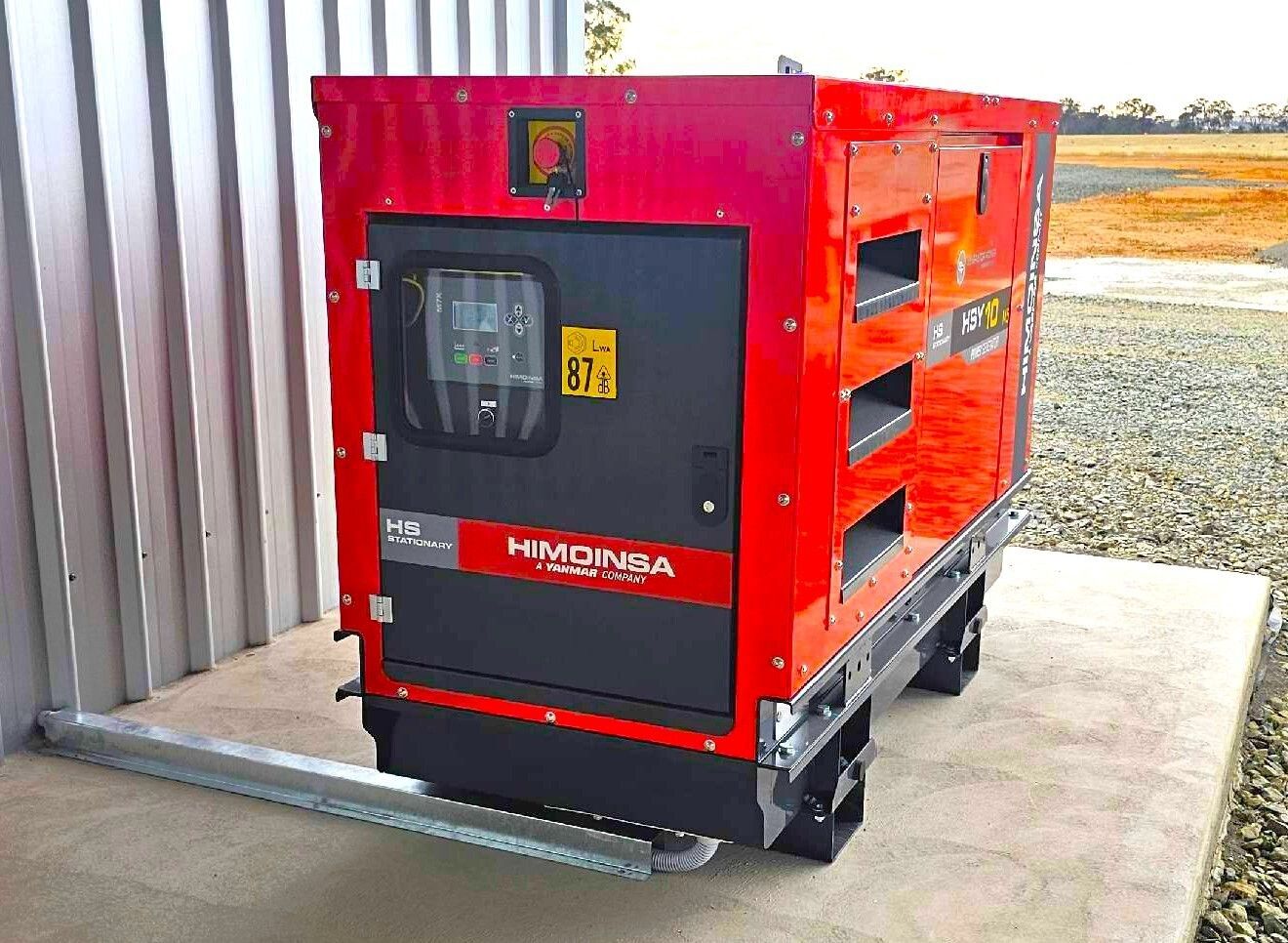
Modern agriculture has historically operated by turning liquid fossil fuels into food and fiber. Whether it is a 100 kVA generator running a shearing shed or a diesel pump keeping a bore flowing, the reliance on delivered fuel is a massive vulnerability.
The Crisis of Volatility
Fuel is no longer a predictable line item on a farm's P&L; it is a wild variable. Global supply chain disruptions and geopolitical tensions have turned diesel pricing into a weekly lottery. When a crisis spikes fuel surcharges by 30% overnight, a primary producer cannot simply raise the price of their cattle or grain to match. You are forced to absorb the margin hit. Being tied to diesel means you are essentially importing global instability straight onto your property.
Weather as a Supply Chain Disruptor
We naturally think of weather in terms of crop yields and livestock health, but its impact on fuel logistics is equally devastating.
-
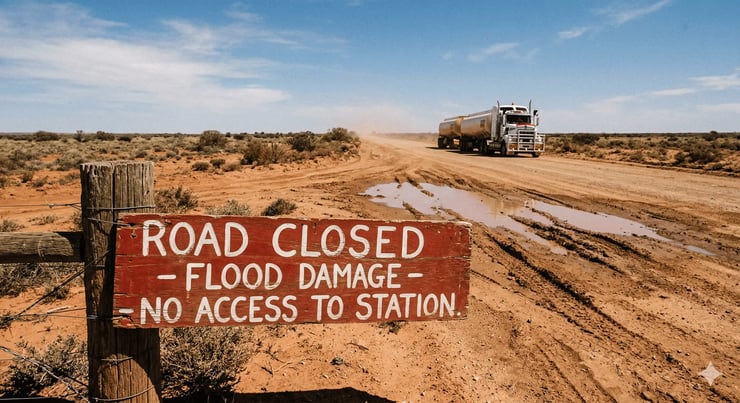
Washed-Out Roads: A severe flood event doesn't just damage paddocks; it destroys the dirt roads and bridges required to bring fuel trucks in. If the truck can't get through, the generator stops.
-
The Access Trap: We routinely see properties that have survived a natural disaster only to lose their livestock or produce in the aftermath because the diesel ran out and the supply trucks were stranded hundreds of kilometres away.
The Crushing Economics of "Powerless" Agriculture
When evaluating the cost of a standalone off-grid power system, the first question shouldn't be "What does the solar and battery cost?" The real question is, "What is the economic cost of not having power?"
In high-intensity agribusiness, a power outage is a systemic failure. The economics of losing power scale disastrously:
-
Livestock Welfare: In a large-scale piggery or poultry farm, ventilation and climate control are non-negotiable. An hour without power during a summer heatwave can result in catastrophic livestock loss.
-
Spoilage and Yield: For dairies and wineries, a lost cold-chain means dumping milk or ruining a vintage. For irrigated crops, a failed bore pump during critical growth windows severely degrades the final harvest.
-
Idle Labor: When the power drops, the equipment stops, but the payroll keeps running.
The "Value of Lost Load" (the actual cost to your business per hour of unserved energy) almost always dwarfs the capital expenditure of a reliable, automated microgrid.
The Case for Renewables: Shoring Up Your Supply
The solution is shifting from being a price-taker in a volatile fuel market to an energy-maker on your own land. At MyEnergy, we build containerised, climate-controlled remote area power systems (RAPS) designed specifically for the realities of Australian agriculture.
Building the Fortress Farm
By integrating heavy-duty solar arrays, scalable lithium battery storage and smart generator backups, we help stations decouple from logistical nightmares.
-
True Energy Independence: A properly sized solar and battery system handles the heavy lifting of daily operations, from running feed mills to powering homesteads. You generate the power where you use it, eliminating the transport variable entirely.
-
Smart Generator Integration: We don't eliminate diesel; we relegate it to an insurance policy. Inverters and control systems manage the load, only auto-starting the generator during extended cloud cover or extreme surge demands. This reduces generator run-time by up to 80%, slashing fuel consumption and drastically extending the life of the engine.
-
Scalability and Resilience: Modern microgrids are modular. As your operation grows, or as you transition to electric vehicles and machinery, you can expand your battery banks and solar arrays without tearing out the existing infrastructure.

Diesel vs. Hybrid Microgrid Economics
| Metric | Traditional Diesel Generator | Solar + Battery + Gen Backup |
| Fuel Logistics | Highly vulnerable to weather and road access | Minimal reliance; fuel lasts months, not days |
| Operating Costs | High and volatile (fuel, frequent servicing) | Very low; predictable long-term costs |
| Reliability | Single point of failure (if engine stops, power stops) | High redundancy (sun, battery, and backup engine) |
| Asset Lifespan | Engine requires constant rebuilds under heavy use | Batteries and solar last 10-20+ years with low maintenance |
Securing the Future
The era of cheap, stable diesel delivered flawlessly to the outback is over. Agribusinesses that survive the next decade will be the ones that take control of their most critical input: energy. Shoring up your power supply with a robust, renewable system is the ultimate hedge against a chaotic world. It’s about building a resilient, self-sufficient operation that runs on your terms, not on the schedule of a fuel truck.
If you're ready to take control of your agricultural off-grid power once and for all, reach out to our team at MyEnergy today.