 Ciaram Granger
.
Ciaram Granger
.
. 7 min read
There are a lot of reasons people start looking at going off-grid.
For some, there is no grid available and off-grid is the only practical option. For others, the cost of bringing power to the property is so high that building their own power system makes more sense.
I also speak to plenty of people who are frustrated with unreliable grid supply, rising electricity costs, poor infrastructure in regional areas, or the lack of control over their own power.
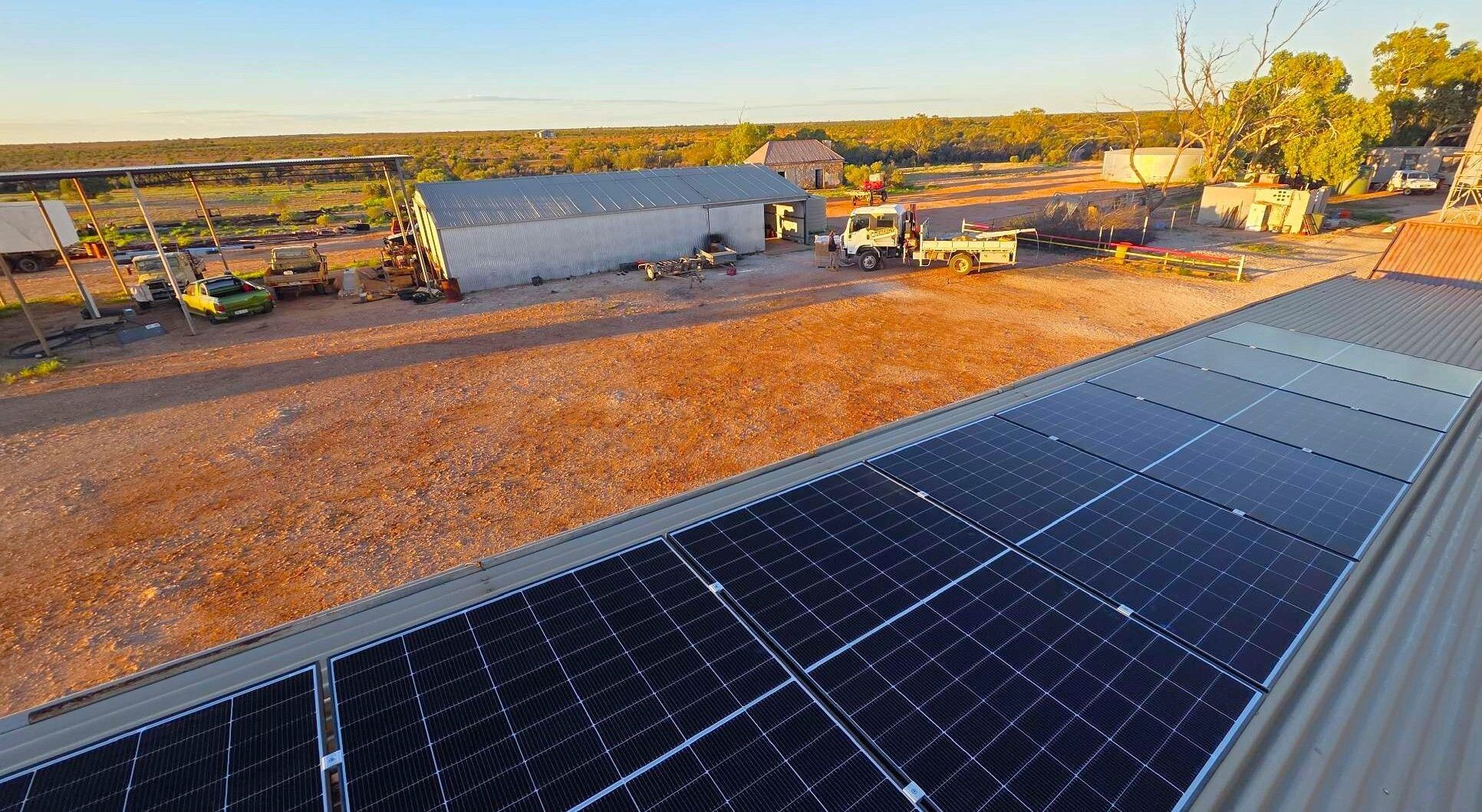
Then there are farms, stations, remote homes, resorts and commercial sites where power is not just about convenience. It is about keeping pumps running, refrigeration working, staff accommodation powered and the site operating properly.
Whatever the reason, the goal is usually the same.
Reliable power.
Not power that works only when the weather is good. Not power that needs constant attention. Not a system where you are always managing loads and worrying about what can run at the same time.
A properly designed off-grid system should feel normal to live with.
Designing an off-grid system is one of those things that looks simple from the outside.
A few solar panels, some batteries, an inverter and away you go.
In reality, it is a bit more involved than that.
The best off-grid systems are not just big systems. They are well-balanced systems. The solar, batteries, inverter, generator, monitoring and loads all need to work together. If one part of that is wrong, the whole system can become frustrating.
Over the years I have designed and worked on off-grid systems for homes, farms, stations, resorts, commercial sites and remote projects. The size of the system changes, but the starting point is always the same.
Start with the loads.
Start With What the Site Actually Needs to Run
Before I think about solar panels, batteries or inverters, I want to understand what the property is trying to power.
Not just a rough list of appliances. I want to understand how the site actually runs day to day.
That means looking at things like:
- What runs every day
- What runs at night
- What loads come on at the same time
- Whether there are pumps, motors or compressors
- Whether there is air conditioning
- Whether there is workshop equipment
- Whether more loads will be added later
Two properties might both use 30kWh per day, but they can need completely different systems.
One might be a fairly simple home with steady loads.
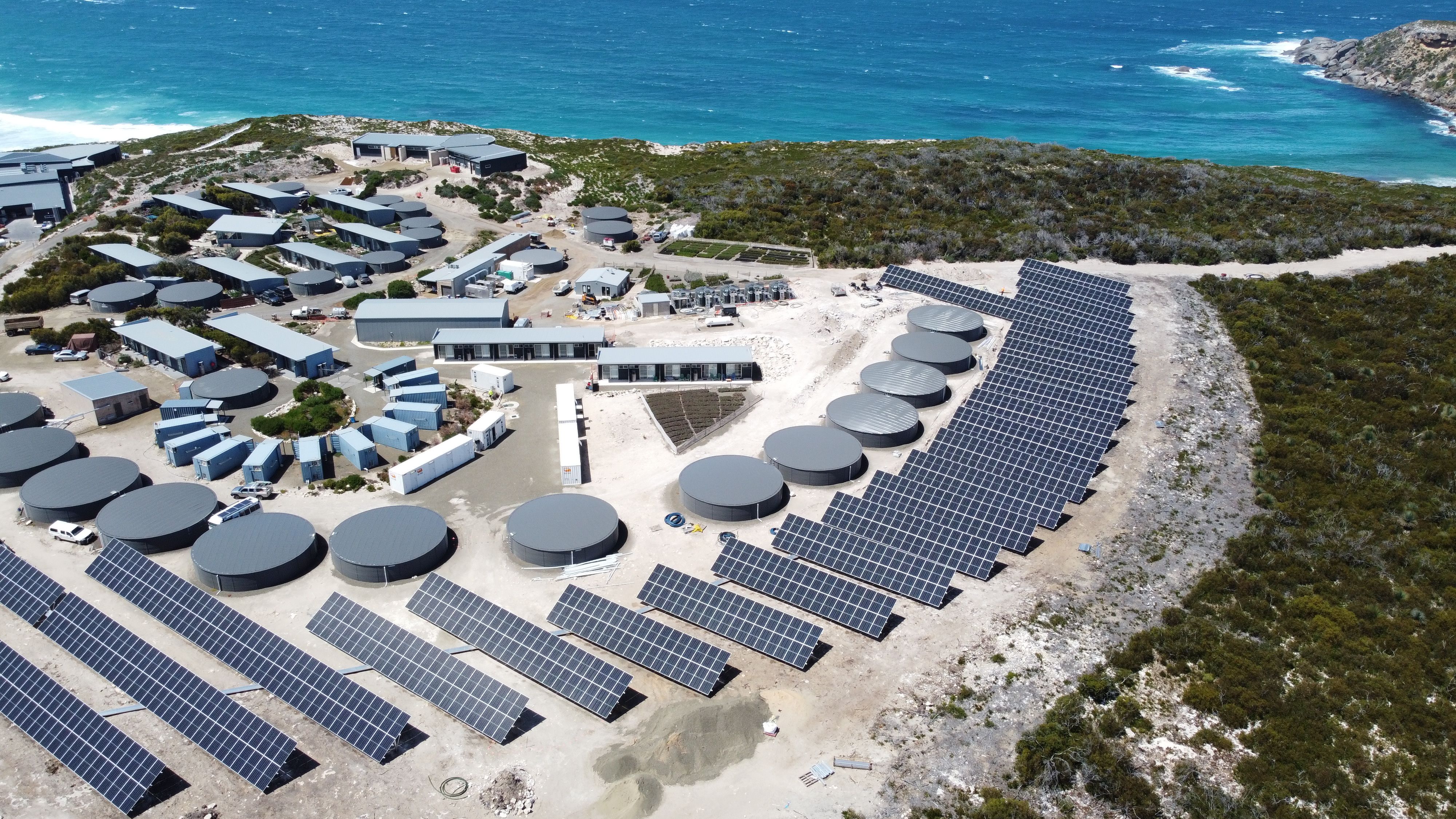
The other might have a bore pump, a pressure pump, refrigeration, a workshop and air conditioning all coming on at different times.
Same daily energy use. Very different power requirement.
That is why designing an off-grid system just from a power bill or a basic appliance list can be risky. You need to understand how the property behaves.
Energy and Power Are Not the Same Thing
This is one of the biggest points in off-grid design.
Energy is how much power you use over time. That is normally measured in kilowatt-hours, or kWh.
Power is what the system needs to deliver at any one moment. That is measured in kilowatts, or kW.
A site might only use 25–30kWh across a full day, but still need 15–20kW available instantly if several loads come on together.
This is where a lot of systems get caught out.
The battery might be large enough on paper, and the solar might look fine, but if the inverter cannot deliver the peak load, the system will not feel reliable.
And off-grid power should feel reliable.
It should not be a game of working out which appliance has to be turned off before someone can start the pump.
Power Delivery Is a Key Part of the System
For me, the inverter system is one of the most important parts of an off-grid design.
The inverter is what actually delivers power to the property. It has to handle the normal day-to-day loads, but it also has to deal with the bigger moments.
Things like:
- A pump starting
- An air conditioner ramping up
- A fridge or compressor kicking in
- A workshop load starting
- Several appliances running at once
This is why we spend a lot of time looking at peak load and surge capacity.
A system can have plenty of solar and plenty of battery storage, but if the inverter is undersized, the customer will still have problems.
The system might trip. The voltage might sag. The generator might be called in too often. The customer starts losing confidence in the system.
Getting the inverter right makes the system feel normal to use.
That is the goal.
The Battery Also Has to Deliver the Power
This part is just as important.
It is not enough to say, “We have 40kWh of battery storage.”
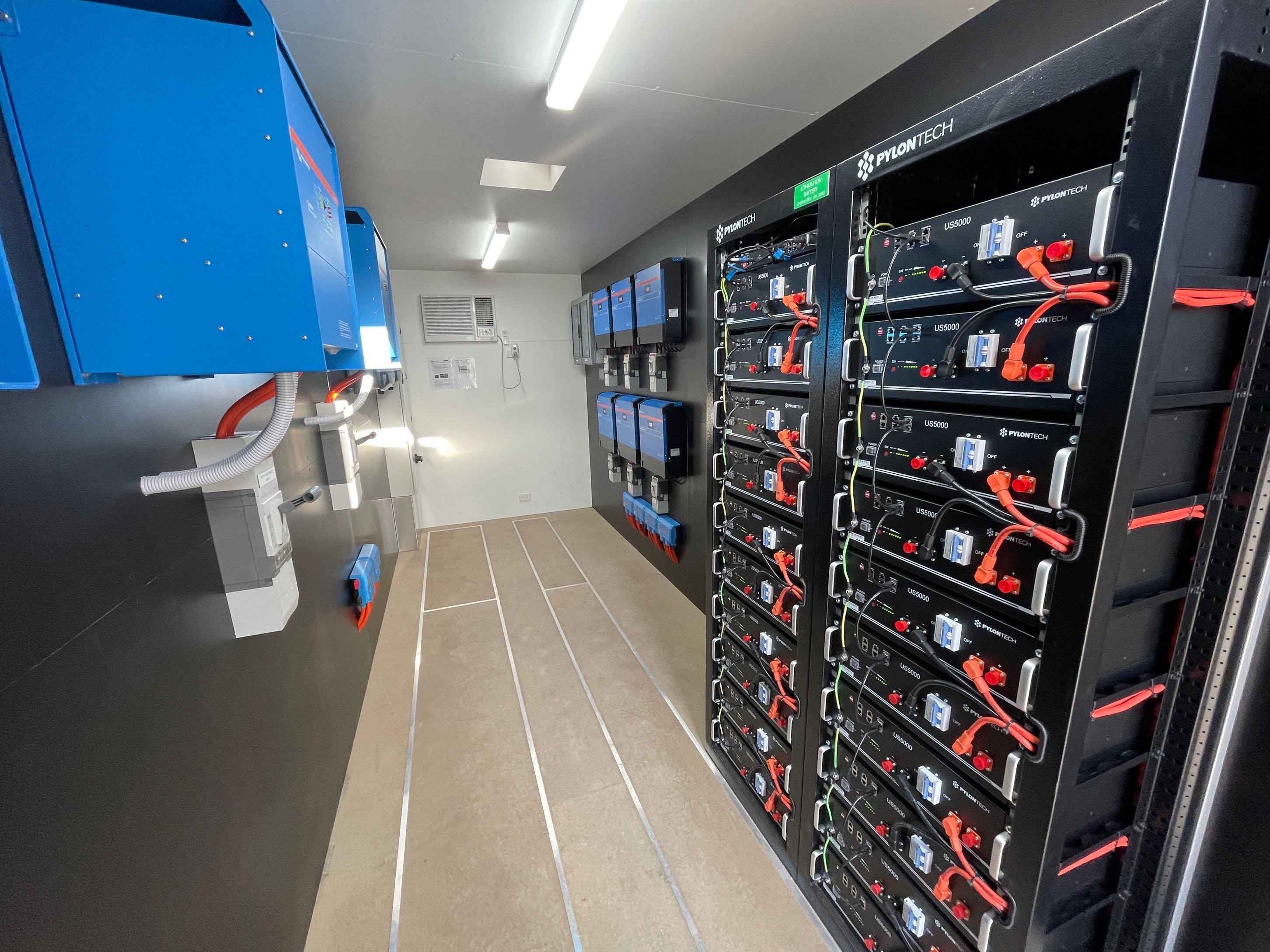
That tells us how much energy is stored. It does not automatically tell us whether the battery can deliver enough power to support the inverter.
At a minimum, the battery system needs to be capable of delivering the full continuous output of the inverter system.
If the inverter can deliver 15kW, the battery and BMS need to be able to support that load without current limits, voltage drop issues or protection shutdowns.
This becomes even more important on larger systems, three-phase systems and sites with pumps, motors or heavy loads.
The inverter might be capable of doing the job, but if the battery cannot supply the current, the system will still fall over.
So when we size batteries, we are not only looking at storage capacity. We are also looking at discharge capability.
How long can it run?
And can it actually deliver the power when the site asks for it?
Both matter.
Motors and Pumps Need Respect
Pumps, compressors and motors can make an off-grid system work hard.
A pump might not look too bad once it is running, but starting it can be a completely different story. Some motors can pull several times their running current on startup.
If this is not allowed for, the system can trip even though the inverter size looked fine on paper.
This is especially important for rural and commercial sites.
Bore pumps, transfer pumps, irrigation pumps, pressure pumps, refrigeration compressors and workshop gear all need to be treated properly in the design.
You do not want the customer finding out after installation that the pump only starts when nothing else is running.
Then We Look at Battery Storage
Once the loads and power delivery are understood, we can look properly at battery storage.
The battery is not just there to get through the night.
It also needs to help the property through:
- Cloudy weather
- Higher-load days
- Generator faults or maintenance
- Winter conditions
- Battery ageing over time
There needs to be enough storage to make the system practical, but also enough margin so the batteries are not being worked too hard every day.
Running batteries right on the limit is never a great long-term plan.
A good off-grid system should have some breathing room.
Solar Is There to Refill the Tank
Solar is the part everyone likes to talk about, but it needs to be sized properly around the rest of the system.
The solar array has to do a few jobs at once.
It needs to:
- Run daytime loads
- Recharge the batteries
- Recover the system after poor weather
- Perform well enough through winter
I do not like designing around the best solar month of the year.
Anyone can make a system look good in January.
The real test is June and July, when the days are short, the weather can be poor and the loads are often higher.
If the system can work through winter, it will usually perform well for the rest of the year.
Scalability Should Be Designed In From the Start
One thing I have learnt is that loads almost always grow.
People add things.
A shed gets built.
A pump gets upgraded.
Air conditioning gets installed.
A cool room gets added.
More people move onto the property.
An electric vehicle turns up.
The system that looked perfect on day one can suddenly be working a lot harder a few years later.
This is why scalability matters.
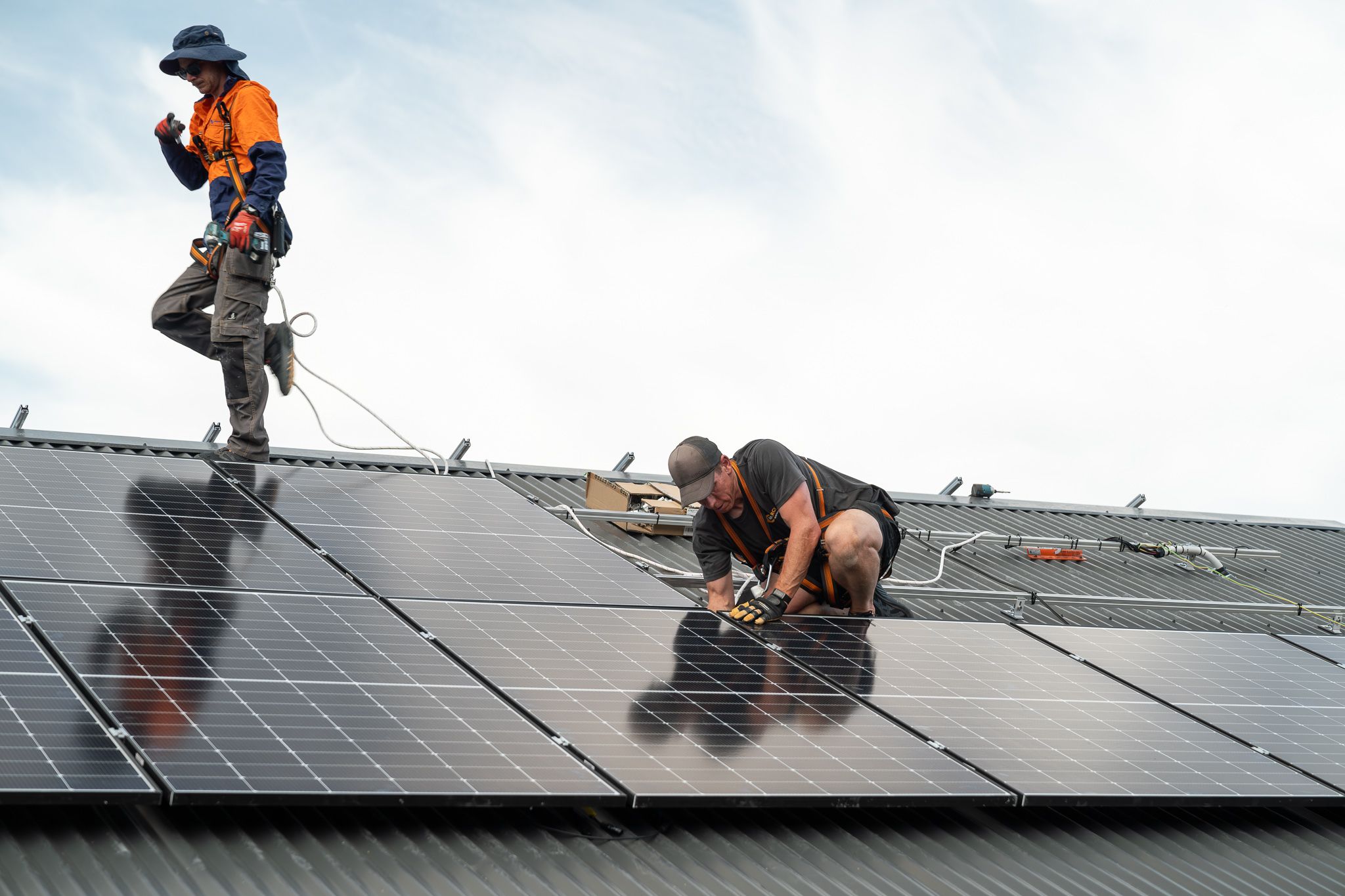
Where possible, I like to design systems that can grow. More battery storage can be added. More solar can be installed. In some systems, inverter capacity can be expanded as well.
This is much easier when it has been considered from the start.
It does not mean every customer needs to buy the biggest system on day one. It means the system should not be boxed into a corner.
A good design should allow the property to grow without needing to start again.
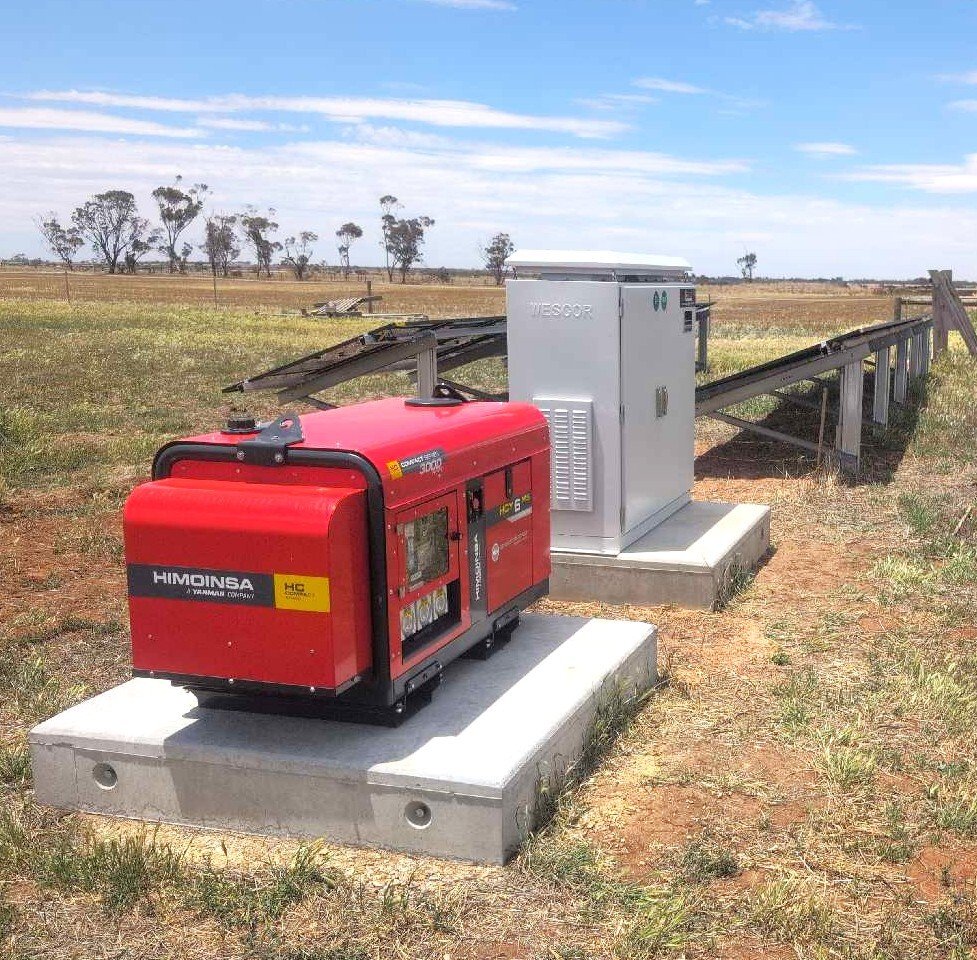
The Generator Is Not the Enemy
Some people think an off-grid system has failed if the generator starts.
I do not see it that way.
A generator is part of a reliable off-grid system.
The goal is not to run it every day. The goal is to have it there when it is genuinely needed.
A properly integrated generator can:
- Support the system during long periods of poor weather
- Protect the batteries from being discharged too low
- Help with larger loads
- Provide another layer of reliability
The important part is how it is controlled.
It should start when required, charge properly, support the loads if needed and shut down when its job is done.
A generator that is correctly integrated makes the whole system more reliable.
Monitoring Makes a Huge Difference
Good monitoring is not just a nice extra.
It is critical, especially for remote sites.
With proper monitoring, you can see what the system is doing before small issues become big ones.
You can look at:
- Battery state of charge
- Solar production
- Inverter loads
- Generator run time
- Faults and alarms
- Historical performance
This helps with support, fault finding and long-term system performance.
For remote properties, monitoring can save a lot of time, travel and frustration.
Serviceability Matters
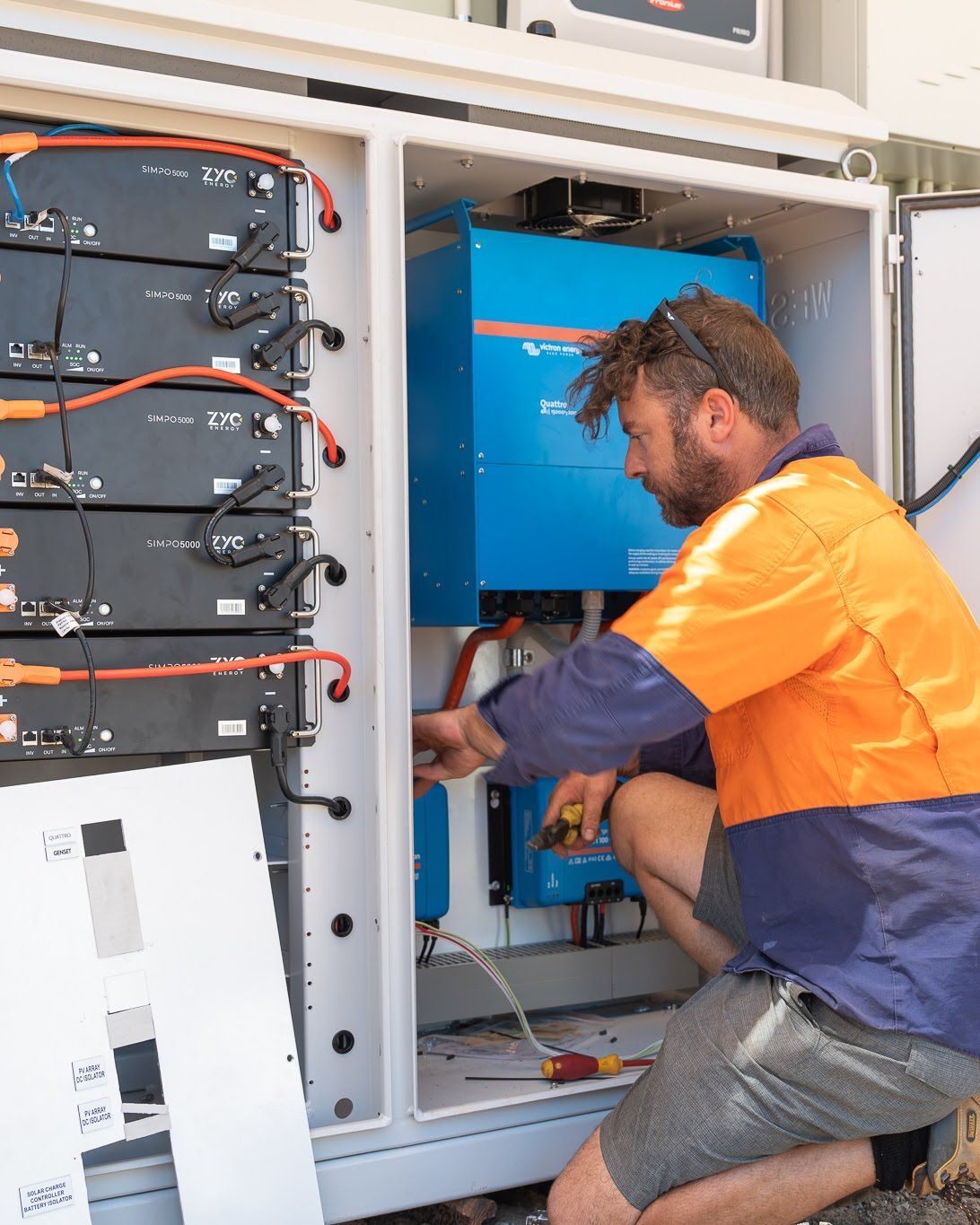
This is not the most exciting part of the design, but it is one of the most important.
At some point, someone will need to work on the system.
If the equipment is jammed into a corner, cables are messy, labels are poor or isolators are hard to access, every service job becomes harder than it needs to be.
A good system should be easy to inspect, isolate and fault-find.
That means thinking about layout, access, cable management, labelling and future upgrades.
The install should not just look good on day one. It should still make sense ten years later.
The Cheapest System Is Rarely the Best System
Everyone has a budget, and that is completely normal.
But with off-grid systems, cutting the wrong corners can cost a lot more later.
Too little inverter capacity leads to overloads.
Too little battery leads to more generator run time.
Too little solar means slow recovery in poor weather.
Poor monitoring makes support harder.
No room for expansion makes future upgrades expensive.
A good off-grid system does not need to be over the top, but it does need to be designed properly.
The aim is to spend the money in the right areas, not just add equipment for the sake of it.
Final Thoughts
A good off-grid system is not just about how many solar panels or batteries are installed.
It is about how well the whole system works together.
Start with the loads.
Get the power delivery right.
Make sure the battery can actually support the inverter.
Size the solar for the real conditions, not just the good months.
Allow for growth.
Integrate the generator properly.
Make the system easy to monitor and service.
When all of that is done properly, the customer should not have to think about their power system every day.
It should just work.
And in the end, that is the real goal of off-grid design.